




Head & Neck Cancer Biopsy in Thane

Advanced evaluation and biopsy services by a specialist Head & Neck Cancer Surgeon focused on accurate diagnosis, tumour evaluation, and personalised treatment planning.

Book an Appointment

A biopsy is one of the most important steps in diagnosing head and neck cancer. It helps identify whether an abnormal growth, ulcer, lump, or lesion is cancerous and provides detailed information about the type and characteristics of the disease.

At Dr. Gaurav Dhanavat's clinic in Thane, advanced evaluation and biopsy guidance are provided for patients with suspected head and neck cancers. Dr. Gaurav Dhanavat is a Head & Neck Cancer Surgeon, Oral & Maxillofacial Surgeon, and Microvascular Reconstruction Specialist in Thane, with expertise in diagnosing and managing complex cancer cases.

With specialised training including FHNO Fellowship in Oral Cancer Surgery, MDS in Oral & Maxillofacial Surgery, and recognition through a Dubai Health Authority (DHA) licence, he provides comprehensive cancer evaluation with a focus on accurate diagnosis and personalised treatment planning.

Understanding the procedure

What Is a Biopsy for Head & Neck Cancer?

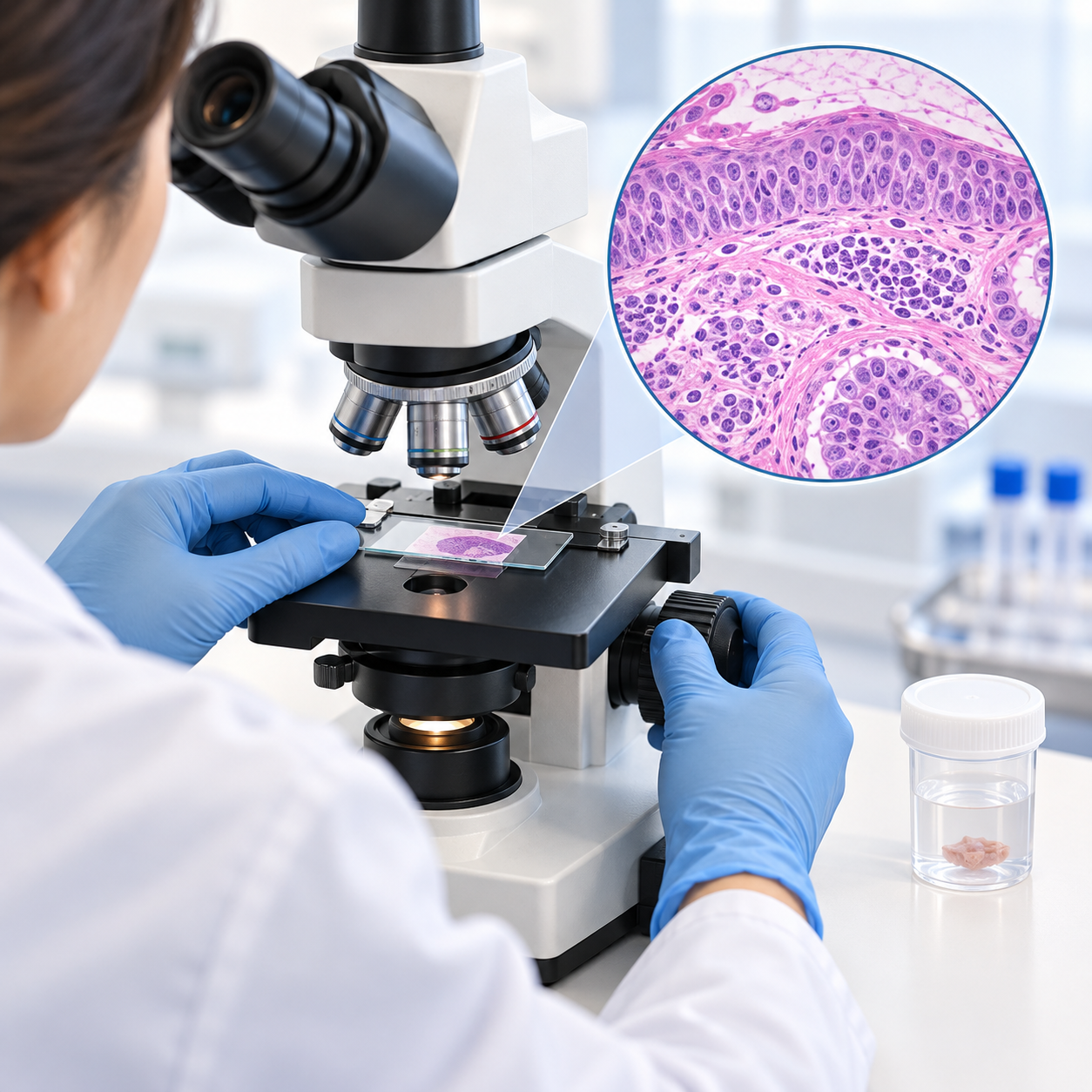
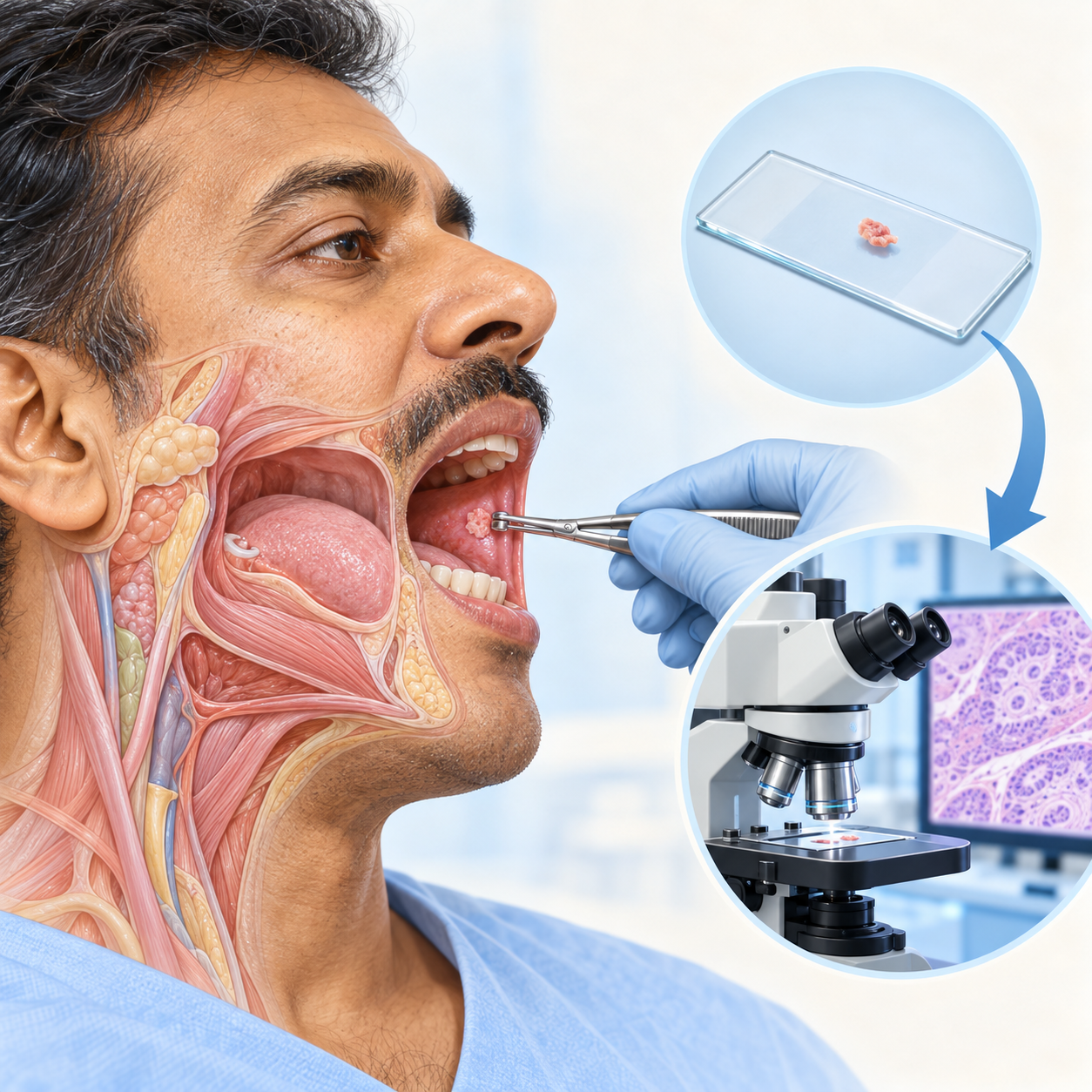
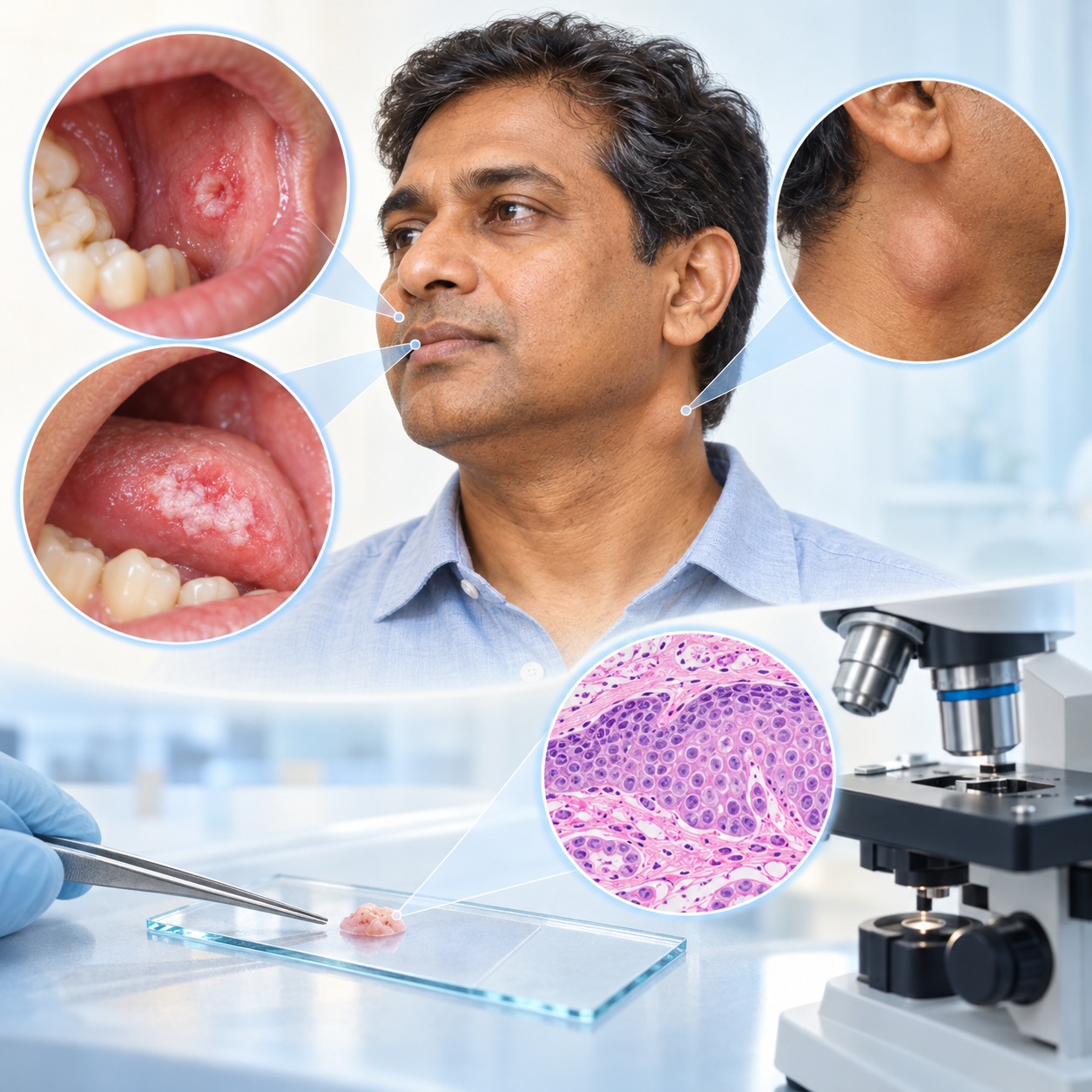
A biopsy for head & neck cancer is a diagnostic procedure in which a small sample of tissue is removed from a suspicious area and examined under a microscope.

Biopsy tissue sample illustration

The Biopsy Helps Determine

  • Whether cancer cells are present
  • The exact type of cancer
  • The severity and characteristics of the tumour
  • Appropriate treatment options

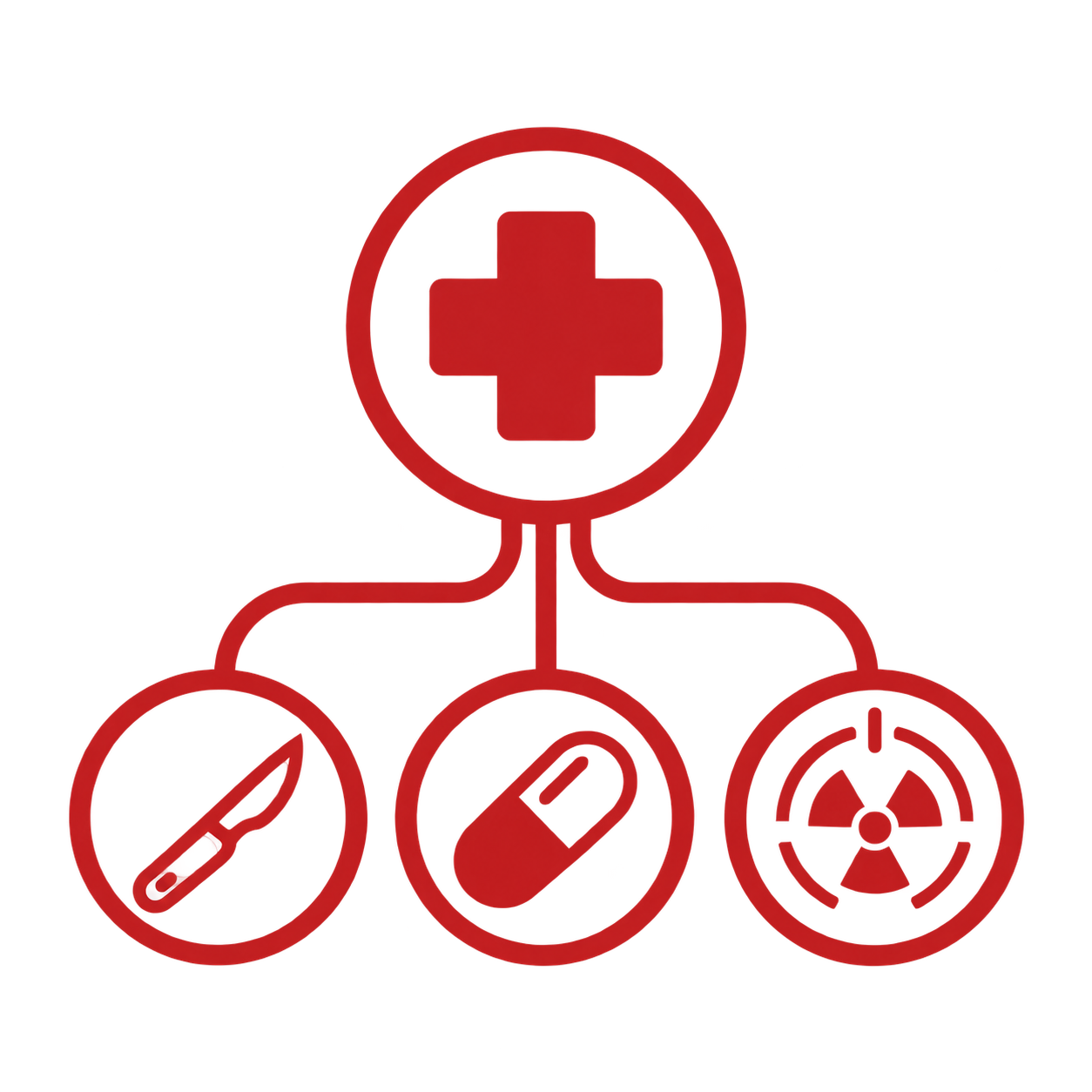
A confirmed biopsy diagnosis helps doctors plan the most suitable treatment approach, including surgery, radiation therapy, chemotherapy, or combined treatments.

Why Is a Biopsy Required for Head & Neck Cancer?

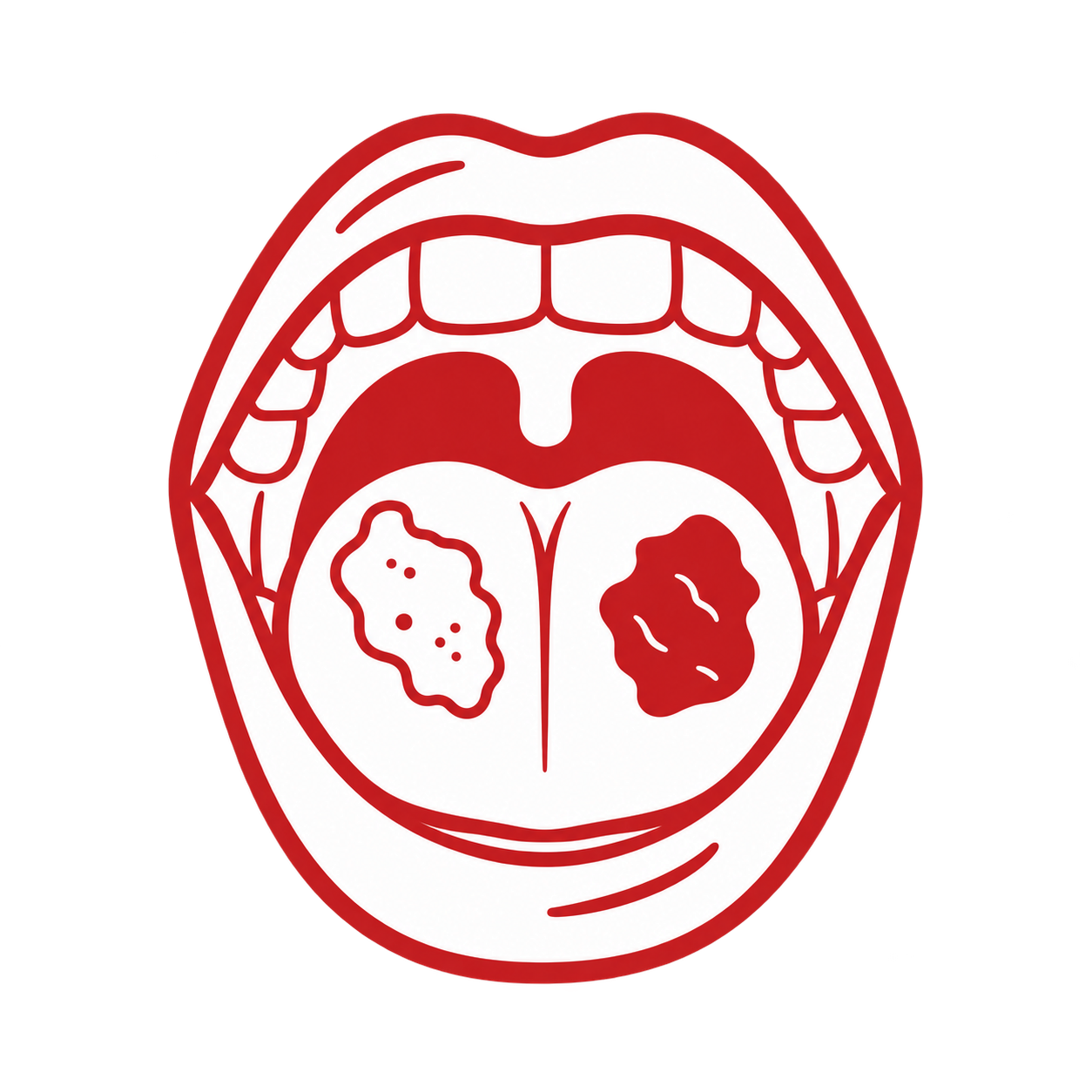
Many conditions can cause mouth ulcers, lumps, swelling, or changes in the head and neck region. A biopsy helps differentiate between harmless conditions and cancerous changes. A biopsy may be recommended for:

  • Mouth ulcers that do not heal
  • Persistent white or red patches inside the mouth
  • Unexplained growths or lumps
  • Tongue lesions
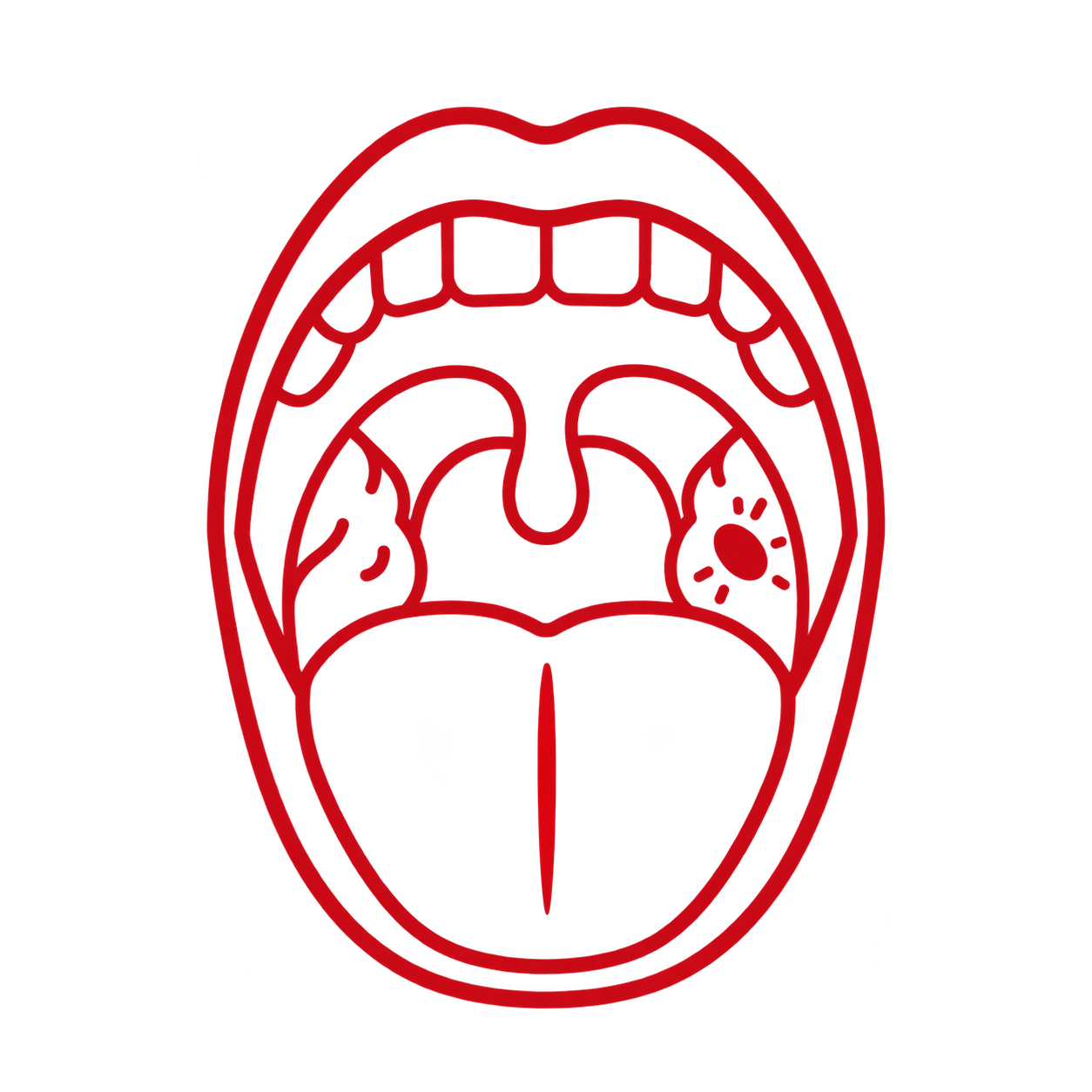
  • Throat abnormalities
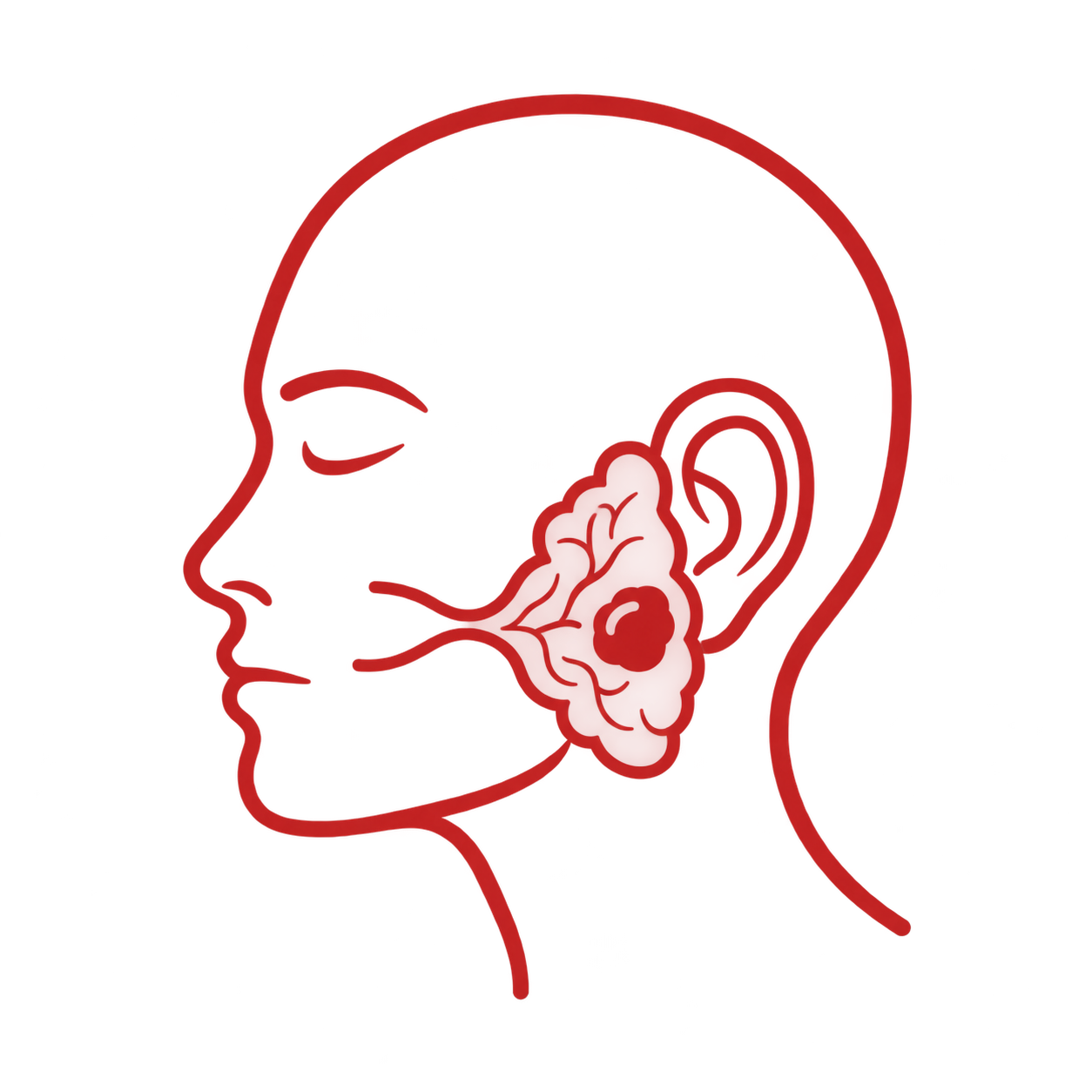
  • Salivary gland masses
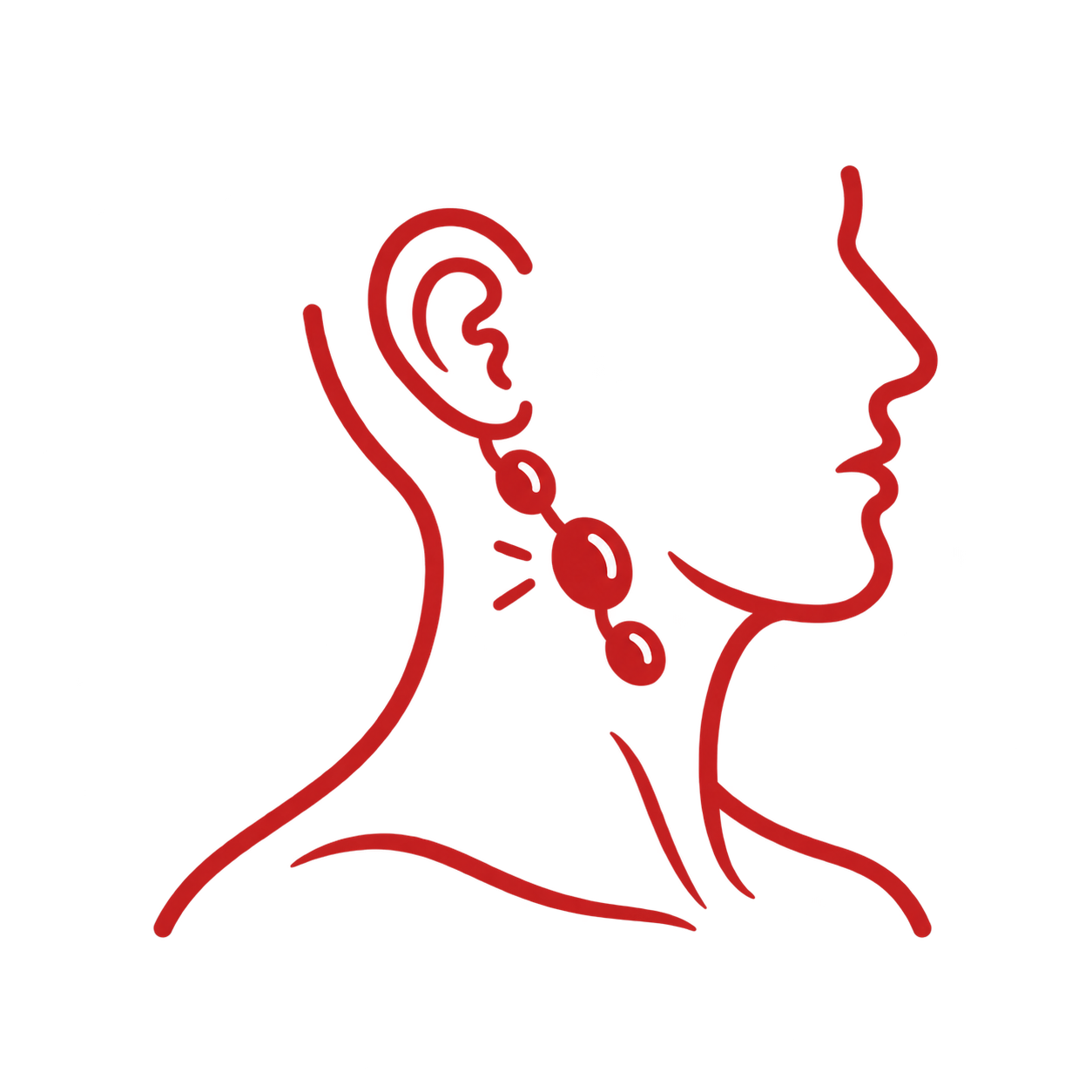
  • Neck swelling or enlarged lymph nodes
  • Suspicious changes seen during examination or imaging
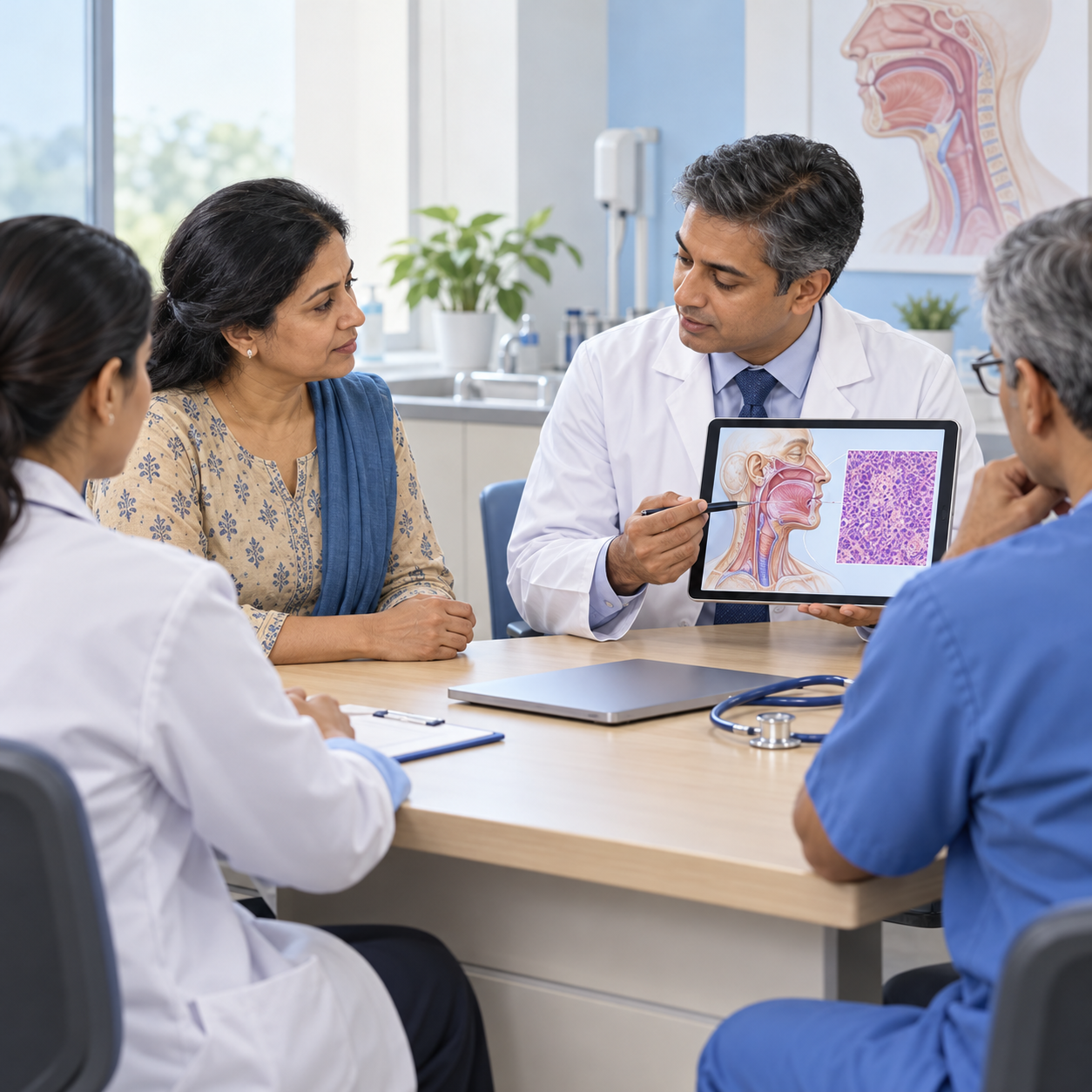
Head and neck biopsy consultation with Dr. Gaurav Dhanavat

Early diagnosis through biopsy can help in timely treatment planning and better management of head and neck cancers.

Types of Biopsy for Head & Neck Cancer

01
Incisional Biopsy

Incisional Biopsy

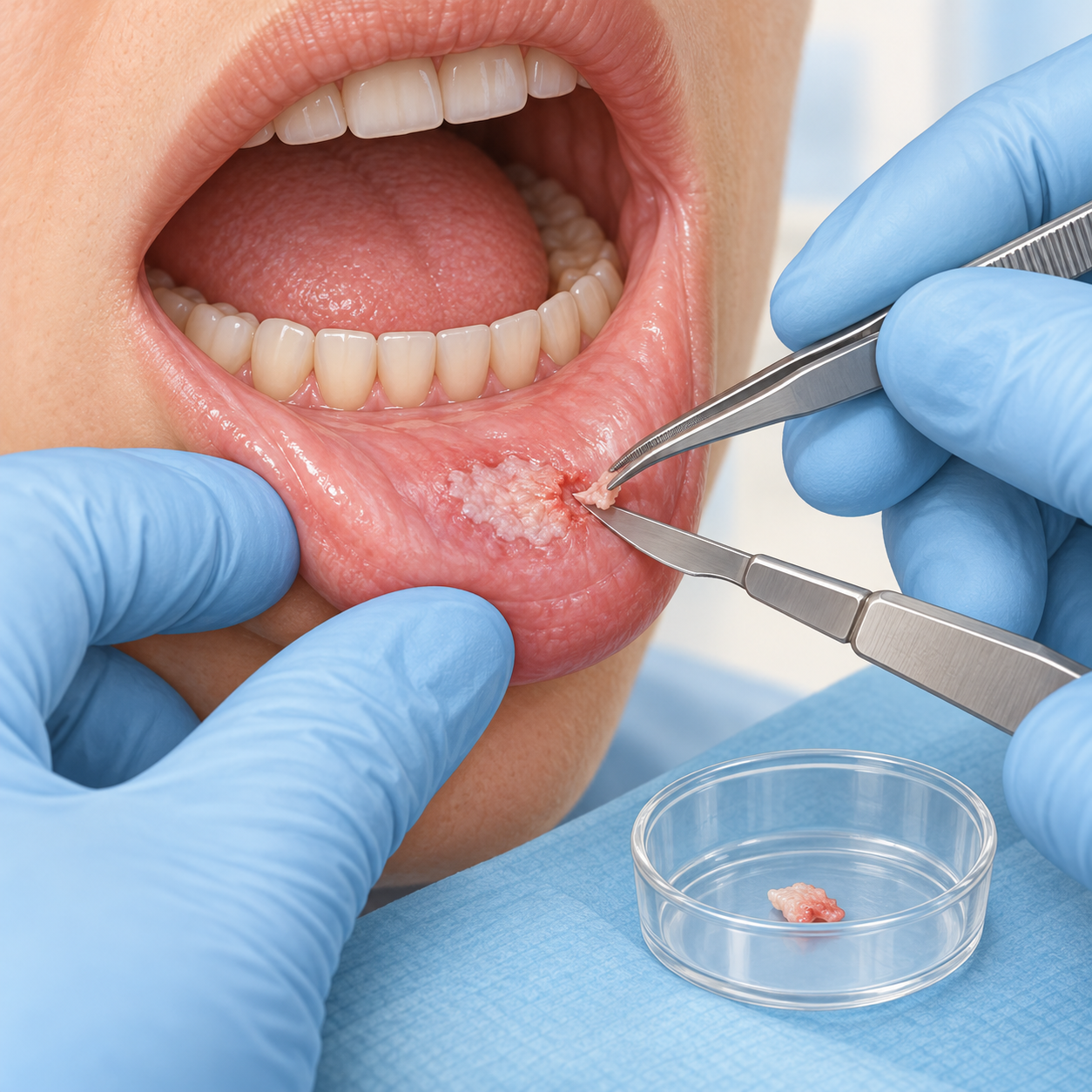
An incisional biopsy involves removing a small portion of the abnormal tissue for laboratory examination.

Commonly used when: The lesion is large, complete removal is not immediately planned, or a diagnosis is needed before deciding treatment.
02
Excisional Biopsy

Excisional Biopsy

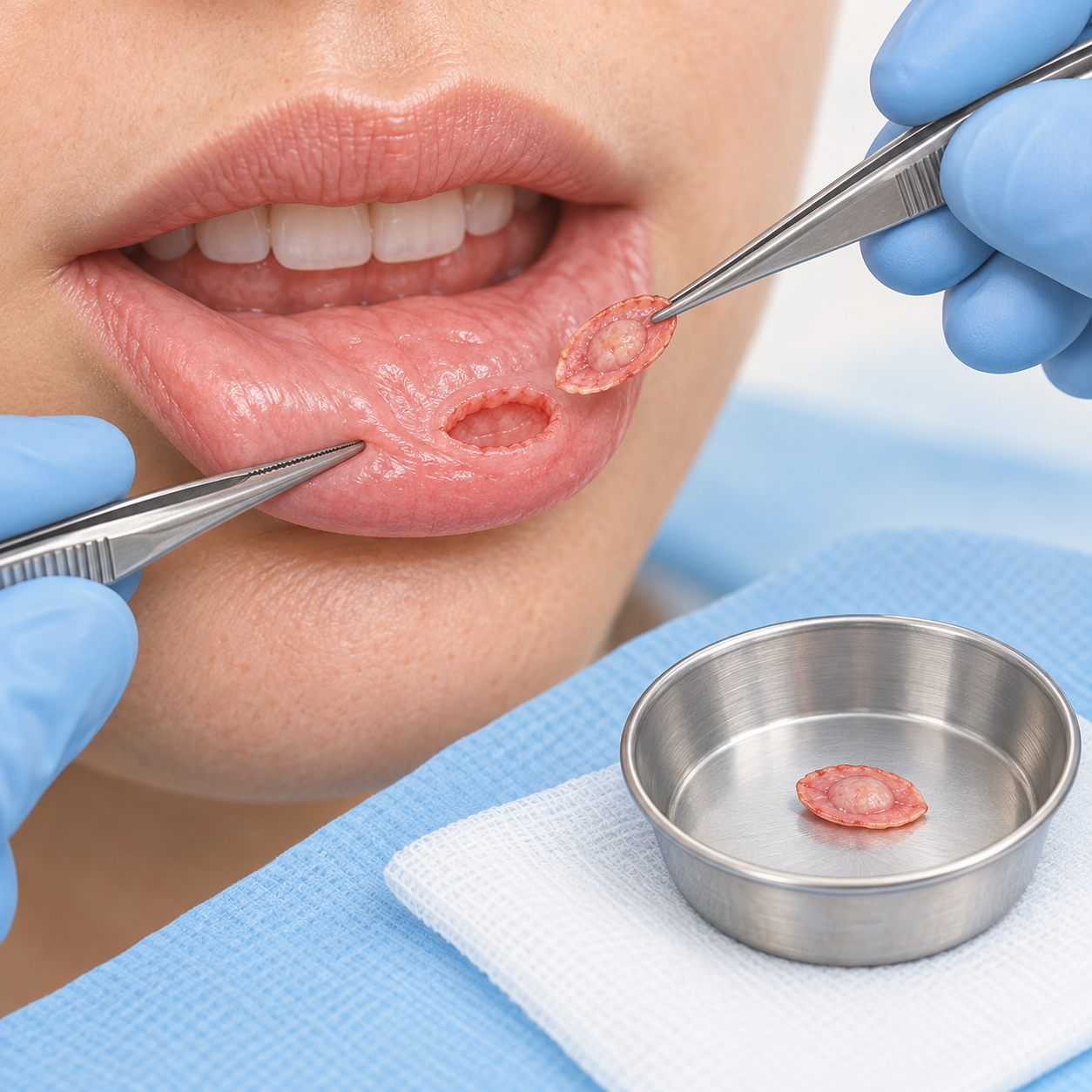
An excisional biopsy involves removing the entire abnormal lesion along with a margin of surrounding tissue.

Commonly used when: The lesion is small and easily removable, allowing complete removal during diagnosis.

03
Fine Needle Aspiration Cytology (FNAC)

Fine Needle Aspiration Cytology (FNAC)

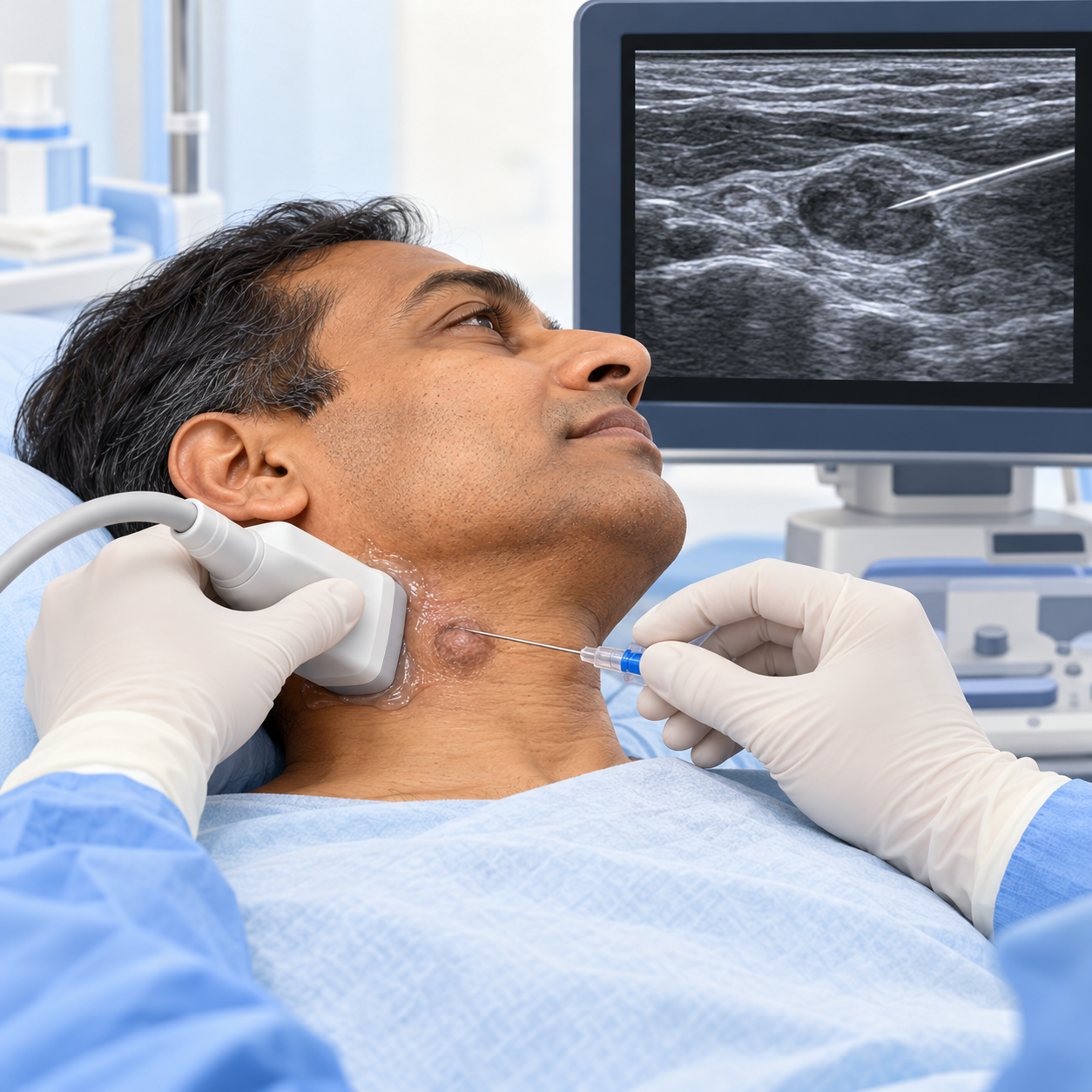
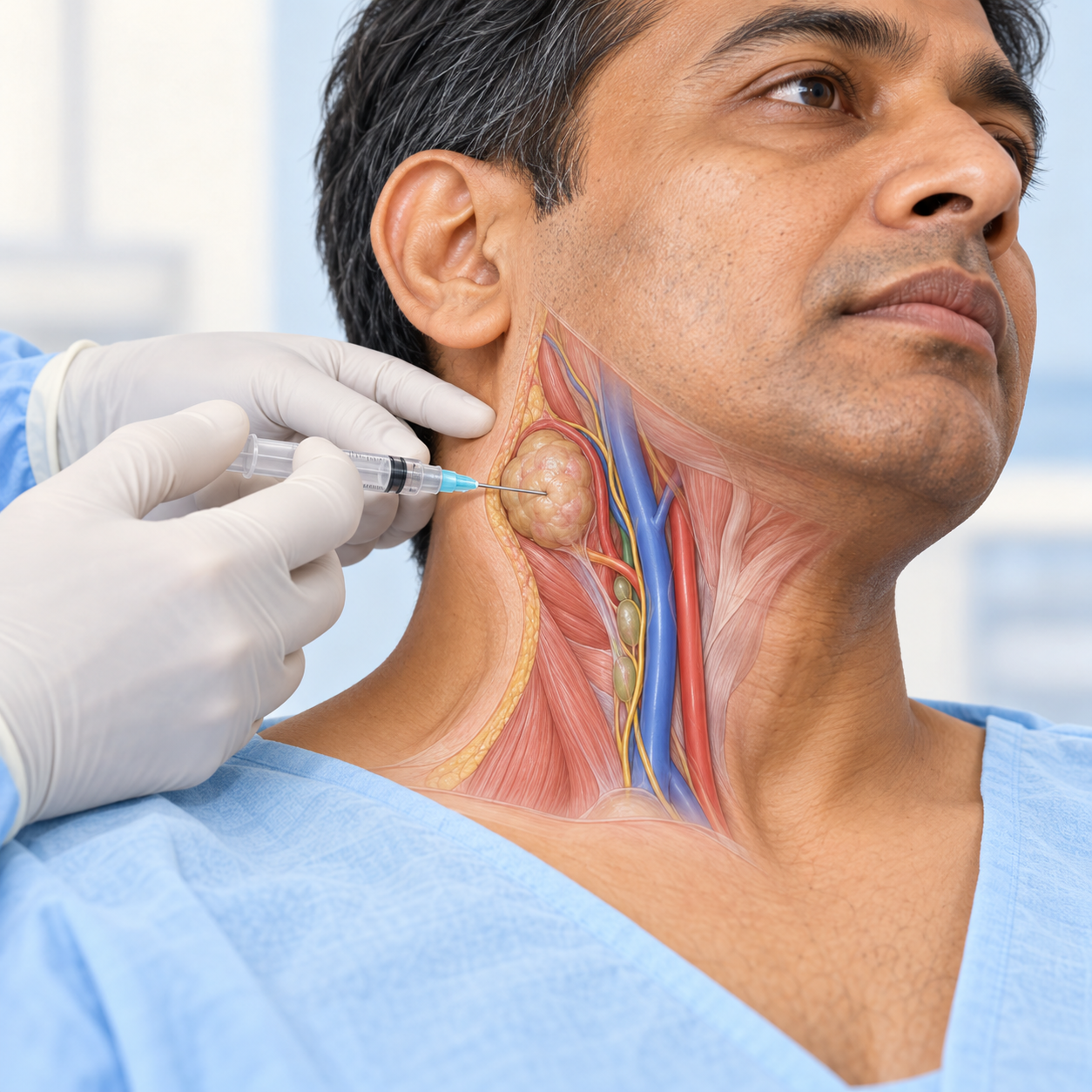
FNAC involves using a thin needle to collect cells from a lump or swelling.

Commonly used for: Neck lymph nodes, salivary gland swellings, and other accessible neck masses.

04
Image-Guided Biopsy

Image-Guided Biopsy

When a suspicious area is difficult to access, imaging techniques such as ultrasound or CT guidance help accurately collect tissue samples.

How Is a Head & Neck Cancer Biopsy Performed?

The biopsy procedure depends on the location and size of the suspicious area. Generally, it involves five key steps:

01
Clinical Examination

Clinical Examination

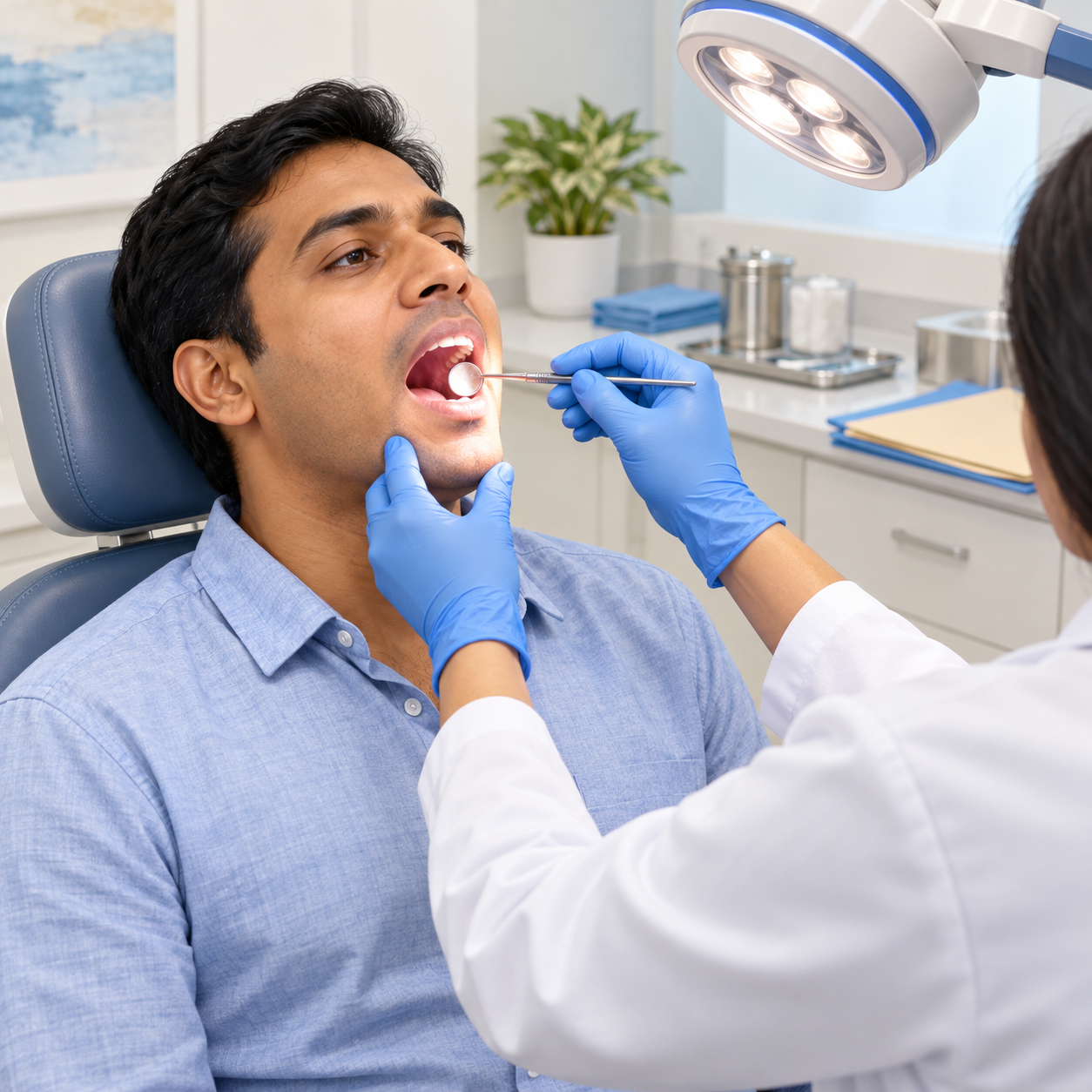
The specialist evaluates the abnormal area and reviews symptoms, medical history, and previous imaging reports.

02
Local Anaesthesia

Local Anaesthesia

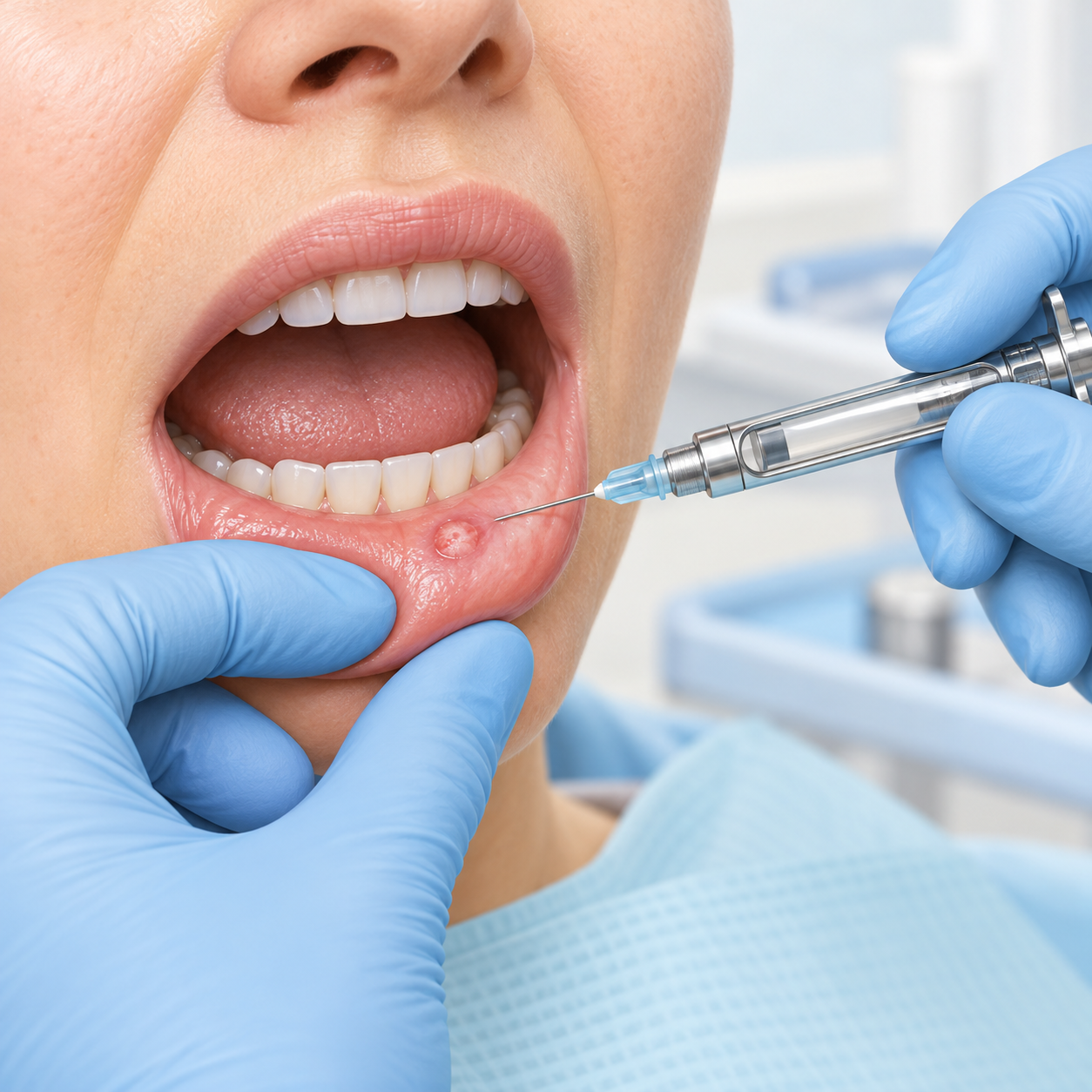
Most minor biopsy procedures are performed using local anaesthesia to minimise discomfort and ensure pain-free sampling.

03
Tissue Collection

Tissue Collection

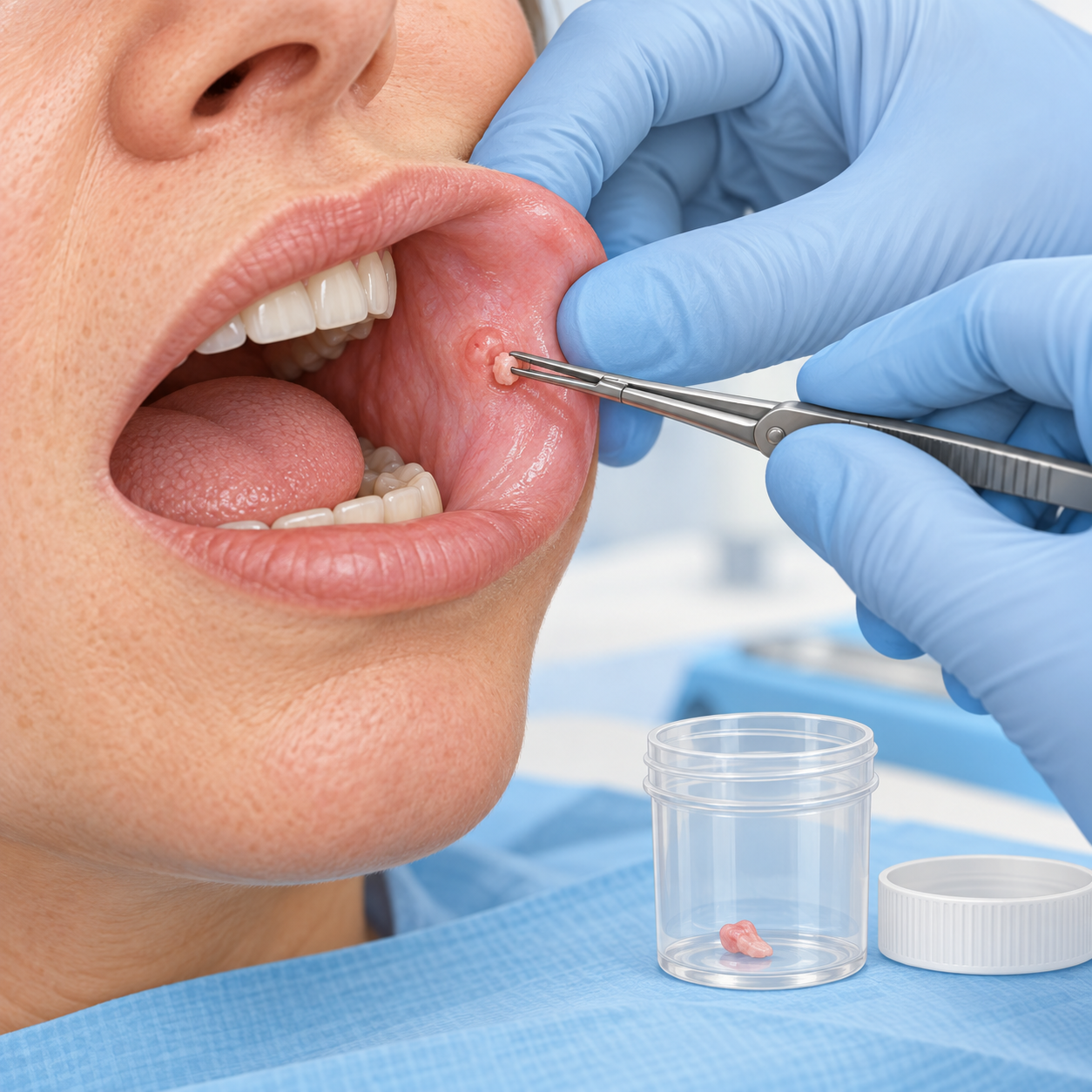
A small tissue sample is carefully removed from the suspected area using precise surgical technique.

04
Laboratory Analysis

Laboratory Analysis

The sample is examined under a microscope by an expert pathologist to identify cancer cells and provide detailed findings.

05
Treatment Planning

Treatment Planning

Based on definitive biopsy results, a personalised, multidisciplinary treatment plan is formulated.

What Happens After a Head & Neck Cancer Biopsy?

After the biopsy, the tissue sample is sent for detailed pathological examination. The pathological report helps determine:

  • Cancer presence or absence
  • Specific cancer type & sub-type
  • Tumour grade & aggressiveness
  • Need for additional investigations (staging scans)
  • Appropriate, personalised treatment strategy

Depending on the diagnosis, further evaluation may include imaging tests such as CT scan, MRI, or PET scan for staging and treatment planning.

Importance of Accurate Biopsy in Head & Neck Cancer

Confirming Diagnosis

Provides definitive evidence about whether a suspicious lesion is cancerous or benign.

Identifying Cancer Type

Different types of cancers require completely different targeted treatment approaches.

Planning Treatment

Biopsy results guide critical decisions regarding surgery, radiation, chemotherapy, or combined therapy.

Avoiding Delays

Early and accurate diagnosis helps patients begin appropriate, life-saving treatment at the right time.

Advanced Approach to Head & Neck Cancer Diagnosis

Dr. Gaurav Dhanavat follows a comprehensive diagnostic protocol designed for precision and patient comfort:

Detailed Clinical Assessment

Complete evaluation of symptoms, medical history, and physical findings.

Accurate Tissue Diagnosis

Appropriate biopsy techniques are selected based on tumour location and clinical requirements.

Multidisciplinary Treatment Planning

Biopsy findings are used to develop an effective, evidence-based cancer management strategy.

Function-Focused Care

Treatment planning considers preservation of speech, swallowing, breathing, and facial appearance.

Why Choose Dr. Gaurav Dhanavat for Head & Neck Cancer Biopsy in Thane?

Specialist in Head & Neck Cancer Surgery

Dr. Gaurav Dhanavat specialises in evaluating and treating cancers affecting the head and neck region.

FHNO Fellowship in Oral Cancer Surgery

Specialised fellowship training provides focused expertise in oral and head & neck cancer management.

Oral & Maxillofacial Surgical Expertise

His expertise helps evaluate cancers involving the mouth, jaw, and facial structures.

Experience in Complex Cancer Cases

Advanced surgical and reconstructive knowledge helps provide comprehensive cancer care.

Patient-Centred Approach

Each patient receives personalised evaluation and guidance based on their diagnosis and treatment needs.

Frequently Asked Questions About Head & Neck Cancer Biopsy

Is a biopsy necessary to confirm head and neck cancer?

Yes. A biopsy is the most reliable and definitive method to confirm whether a suspicious growth, ulcer, or lesion is cancerous.

Is a head and neck cancer biopsy painful?

Most minor biopsies are performed under local anaesthesia, so discomfort during the procedure is minimal. Some soreness in the area afterwards is possible and usually settles in a short time. Deeper or hard-to-reach areas may need image guidance or a different type of anaesthesia, which your surgeon will explain beforehand.

How long does it take to get the biopsy report?

The tissue sample is examined by a pathologist, and the report is usually available within a few days. Some cases need additional laboratory tests, which can take longer. Your surgeon will tell you the expected timeline for your case.

Can a biopsy cause cancer to spread?

A properly planned biopsy performed by an experienced specialist is a safe and standard step in diagnosis. It is the way to confirm what a lesion is, and avoiding or delaying it can delay the right treatment. If you have specific concerns, your surgeon can explain the technique chosen for you.

What happens if the biopsy confirms cancer?

The pathology report shows the type and grade of the cancer. Further tests such as CT, MRI, or PET scans may then be advised for staging, after which a personalised treatment plan is discussed, which may include surgery, radiation therapy, chemotherapy, or a combination.

Book Consultation for Head & Neck Cancer Biopsy

If you have a suspicious mouth lesion, persistent ulcer, neck lump, or have been advised to undergo a biopsy, timely consultation with an experienced specialist can help ensure accurate diagnosis. Dr. Gaurav Dhanavat provides expert evaluation and biopsy guidance for head & neck cancer in Thane, combining cancer surgery expertise with advanced reconstructive knowledge to support informed treatment decisions.

Call nowWhatsApp
Call Now WhatsApp