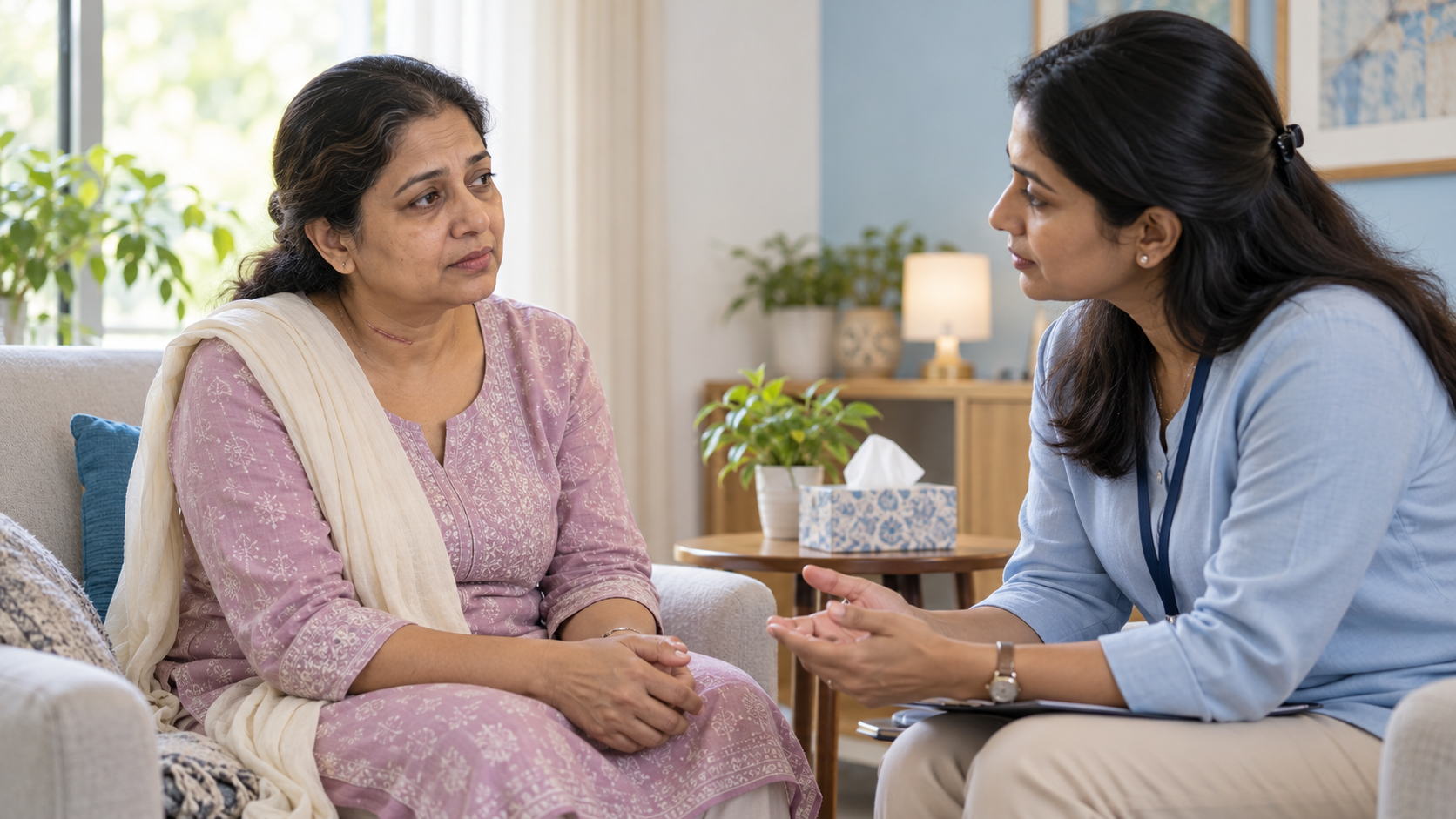
Emotional Support After Surgery
Patients may experience fear of cancer recurrence, stress about recovery, and reduced confidence.
Counselling helps patients process these complex emotions and develop healthier coping approaches.

Undergoing major oncological surgery can be a challenging experience for patients and their families. Along with physical recovery, many patients may experience emotional stress, anxiety, fear about the future, changes in appearance, and difficulty adjusting to life after treatment. Post-surgery counselling provides dedicated psychological and emotional support to help patients and families cope with the recovery journey and build confidence during rehabilitation.
At Dr. Gaurav Dhanavat's clinic in Thane, patients undergoing head and neck cancer surgery receive comprehensive guidance and supportive care focused on recovery, adjustment, and quality of life. With an FHNO Fellowship in Oral Cancer Surgery, an MDS in Oral & Maxillofacial Surgery, and a Dubai Health Authority (DHA) licence, he provides patient-focused cancer care that addresses both medical and emotional needs.
Post-surgery counselling is a supportive care service designed to help patients and families manage the emotional, psychological, and lifestyle challenges that may occur after major cancer surgery.
The aim is to support confidence, emotional well-being, and a smoother transition into life after surgery.
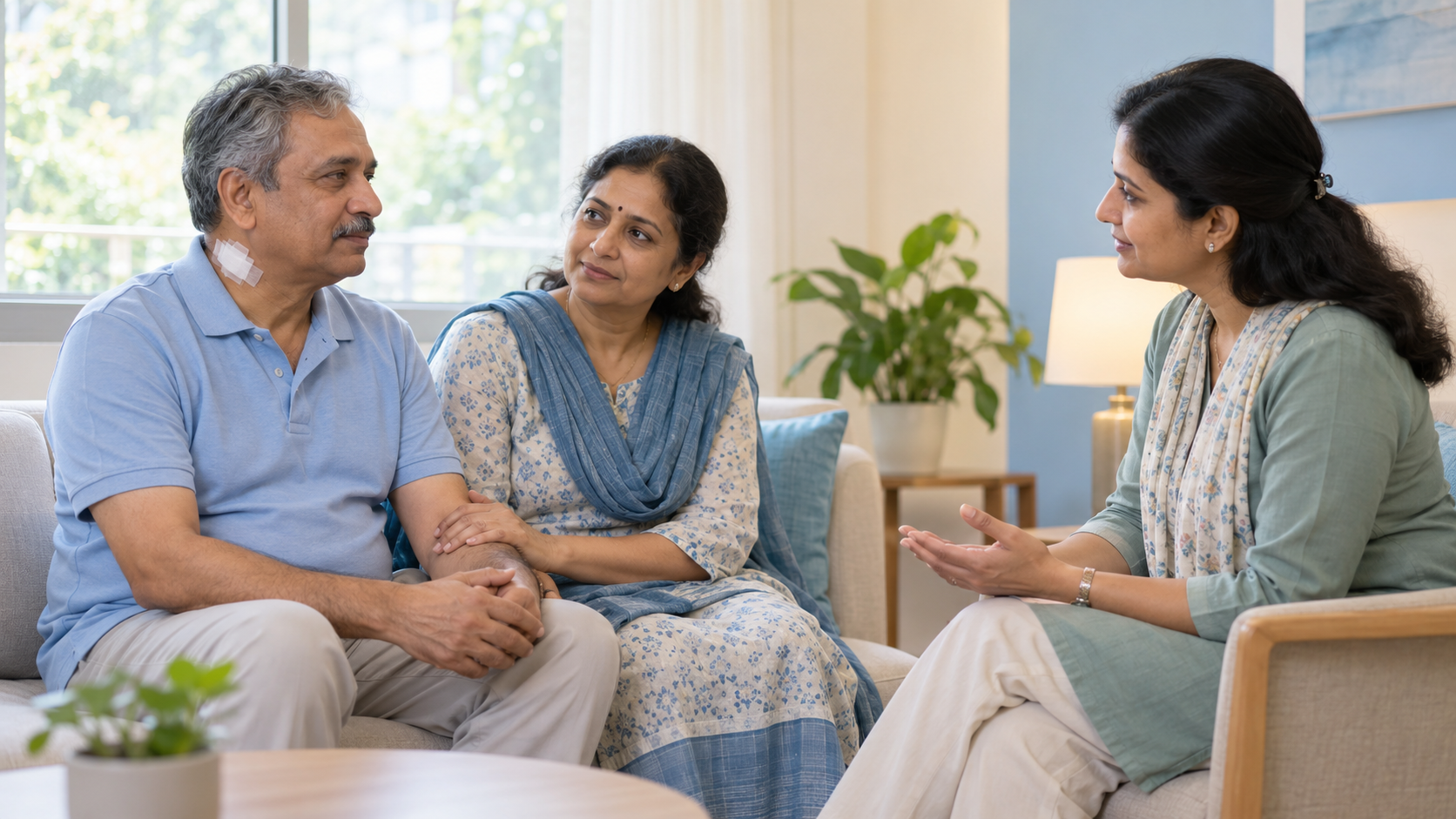
 Recovery Expectations
 Emotional Changes
 Physical Changes
 Rehabilitation Process
 Lifestyle Adjustments
 Coping Strategies
 Confidence & Well-Being
Head and neck cancer surgeries may involve areas related to speech, swallowing, eating, facial appearance, breathing, and social interaction. Changes in these vital functions can sometimes affect emotional health and self-confidence. Counselling helps patients and families with:
Managing anxiety, stress, and fear of uncertainty
Understanding recovery milestones step-by-step
Adapting to physical and functional changes
Building strong emotional resilience
Preparing mentally for physical rehabilitation
Restoring self-confidence after treatment
Counselling support may be helpful for:
 Patients recovering from head and neck cancer surgery
 Individuals undergoing major tumour removal procedures
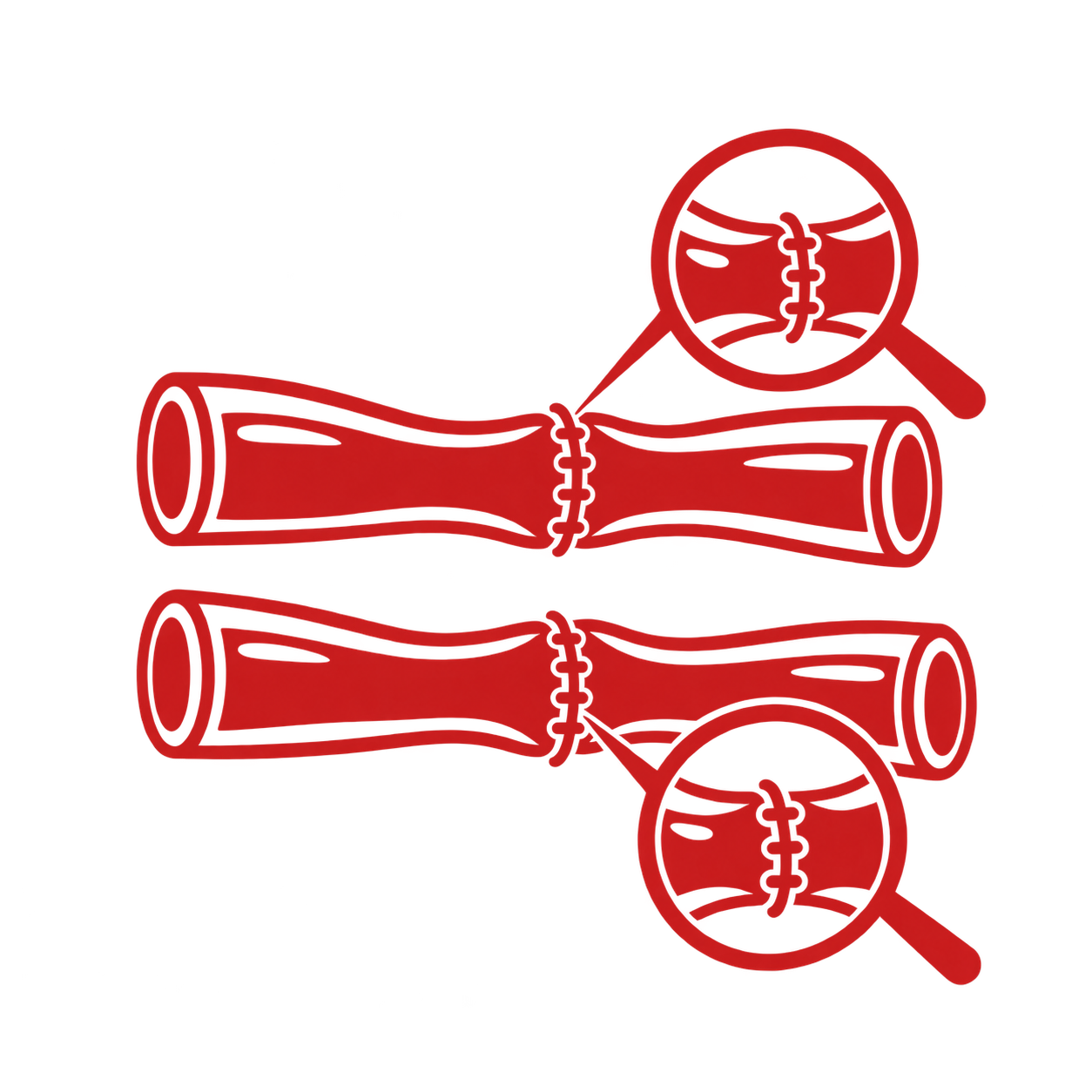 Patients requiring complex reconstructive surgery
Families and caregivers supporting cancer patients
Patients adjusting after changes in appearance or function
Patients may experience fear of cancer recurrence, stress about recovery, and reduced confidence.
Counselling helps patients process these complex emotions and develop healthier coping approaches.
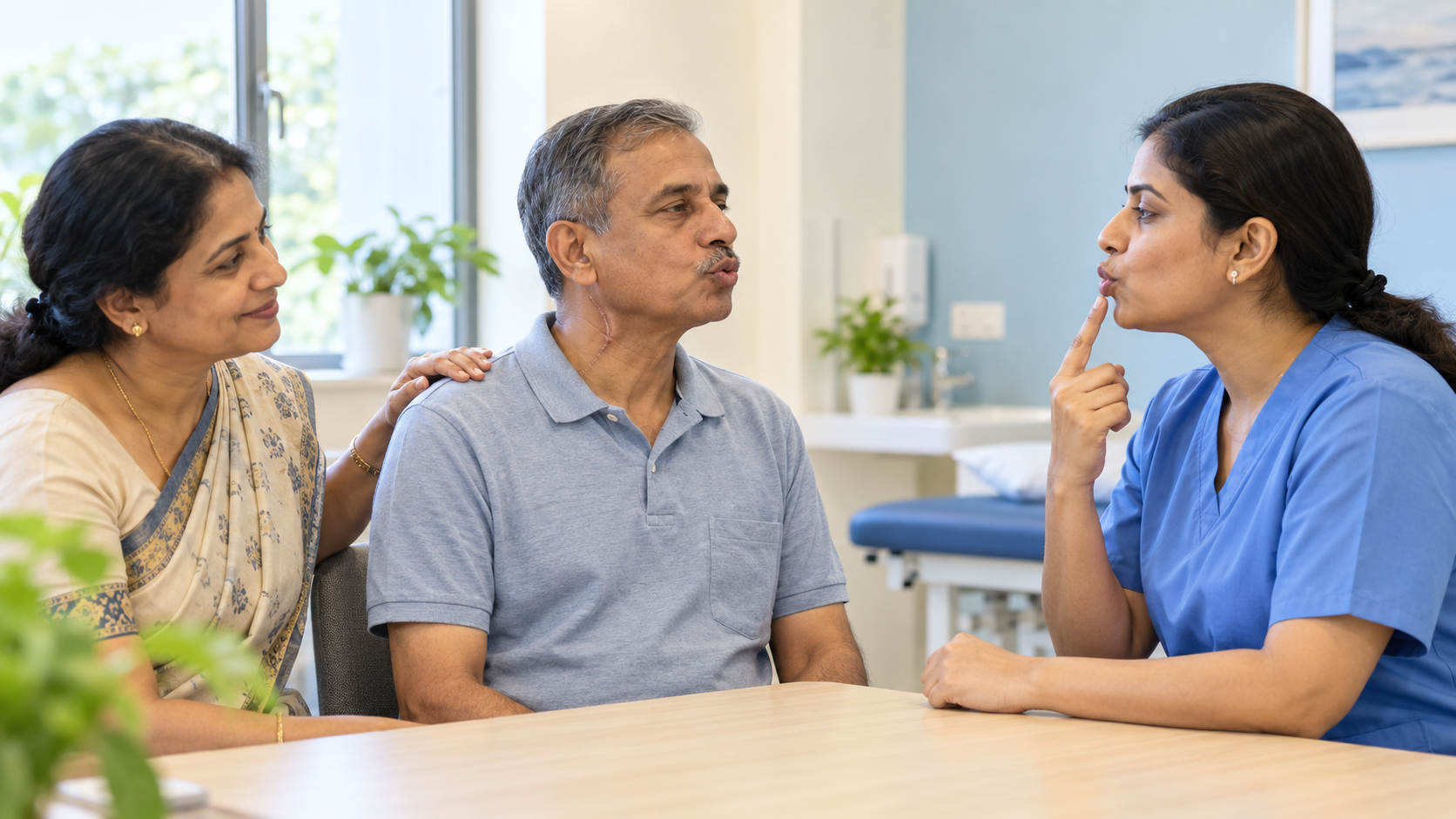
Surgeries may affect daily activities such as eating, speaking, or swallowing.
Helps patients understand recovery changes, stay motivated, and adapt to functional adjustments.
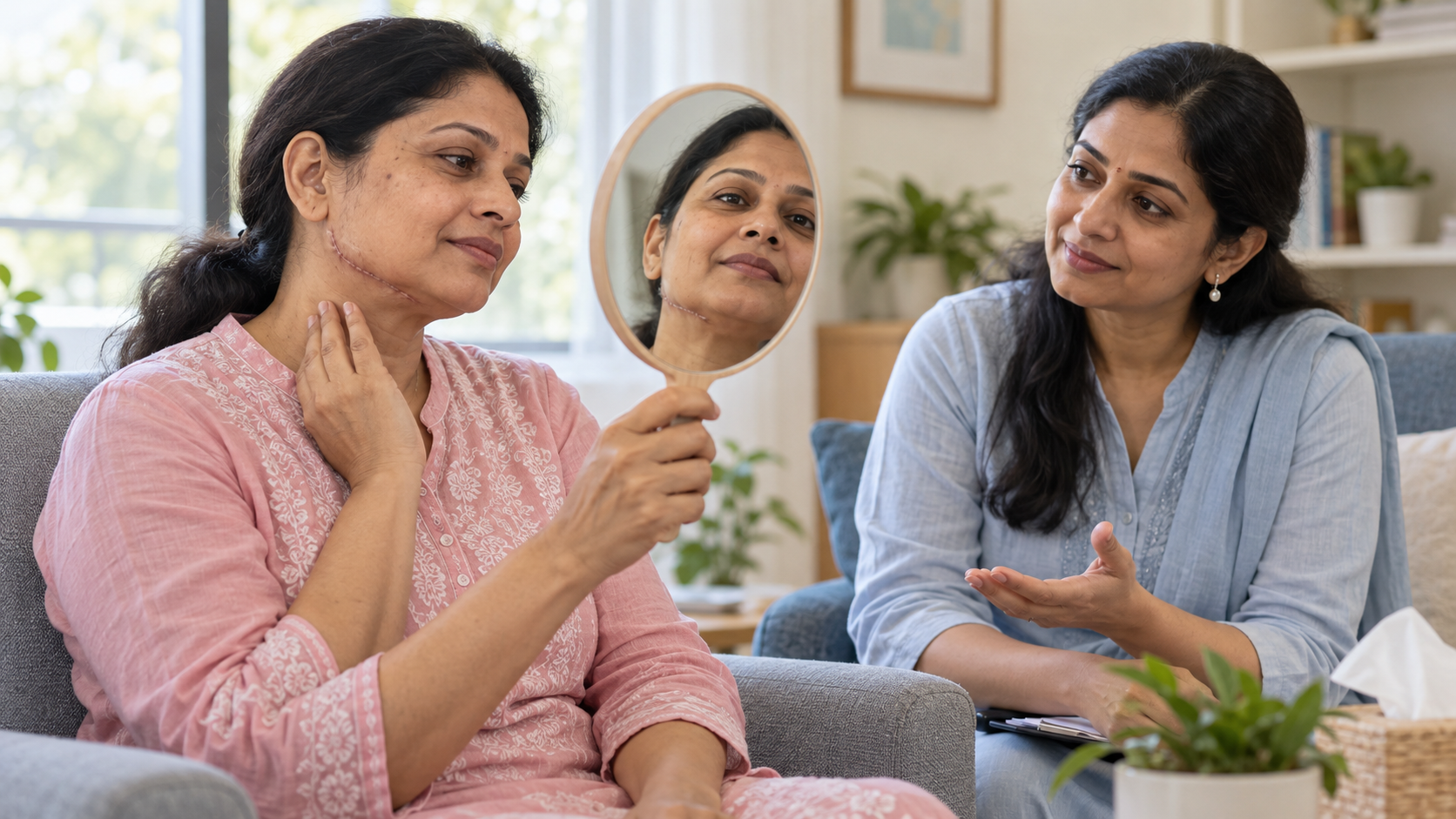
Physical changes after surgery may affect how patients perceive themselves.
Focuses on adjusting to physical changes, boosting confidence, and managing social concerns.
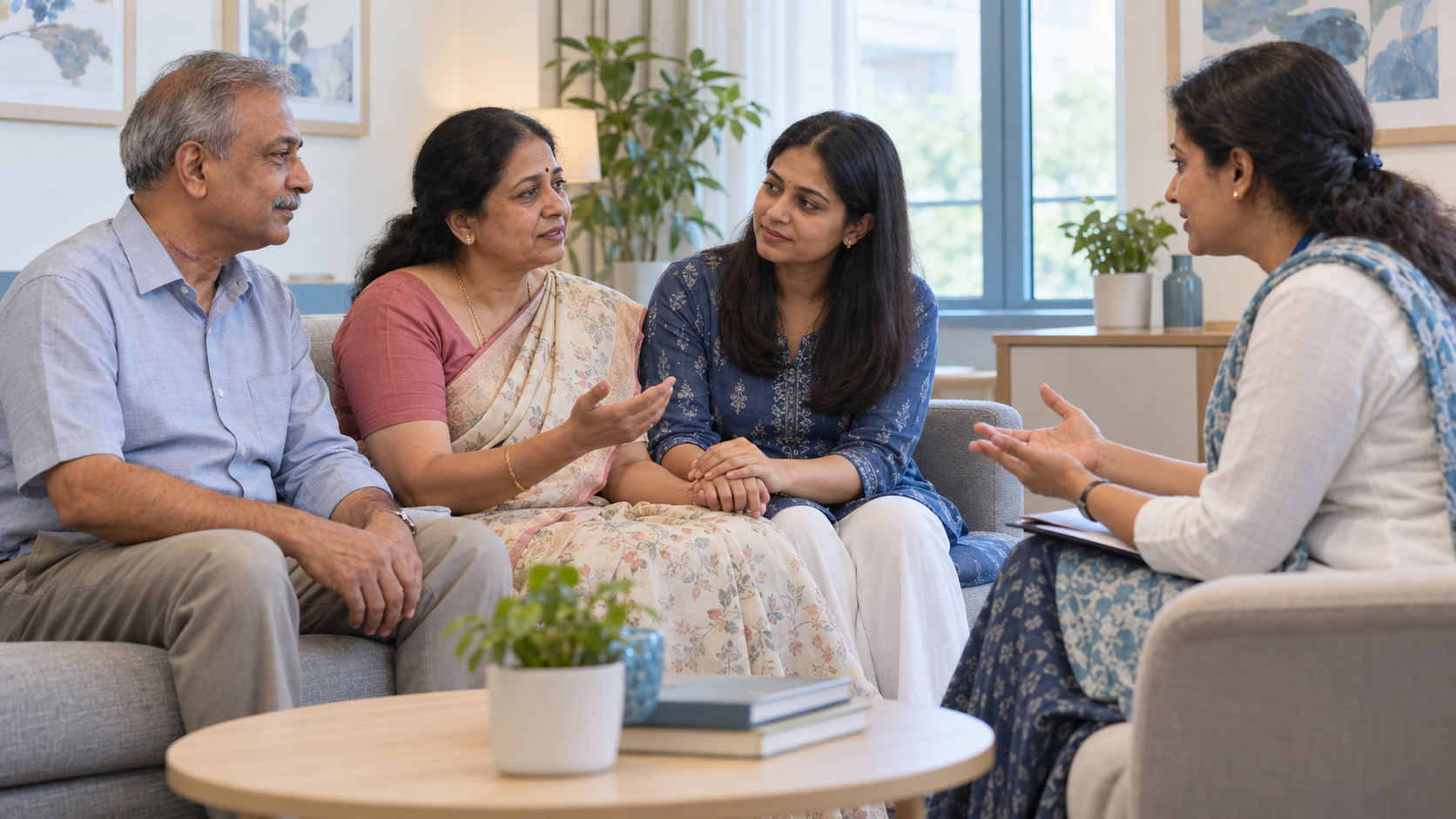
Cancer affects not only individual patients but their entire family network.
Helps family members understand patient needs, manage caregiver stress, and assist in recovery.
Helps patients manage fear, anxiety, and uncertainty after major oncological treatment.
Supports patients in adapting smoothly to physical, dietary, and lifestyle changes.
Encourages a positive, proactive mindset towards rehabilitation and long-term recovery.
Provides actionable guidance and stress management for family caregivers.
Emotional well-being plays a vital role in long-term physical recovery and overall life satisfaction after cancer surgery.
Recovery after procedures such as oral cancer surgery, tongue cancer surgery, jaw reconstruction, neck dissection, microvascular reconstruction, or laryngeal procedures requires ongoing physical and emotional support. A comprehensive recovery plan considers:
Surgical outcomes and healing progress
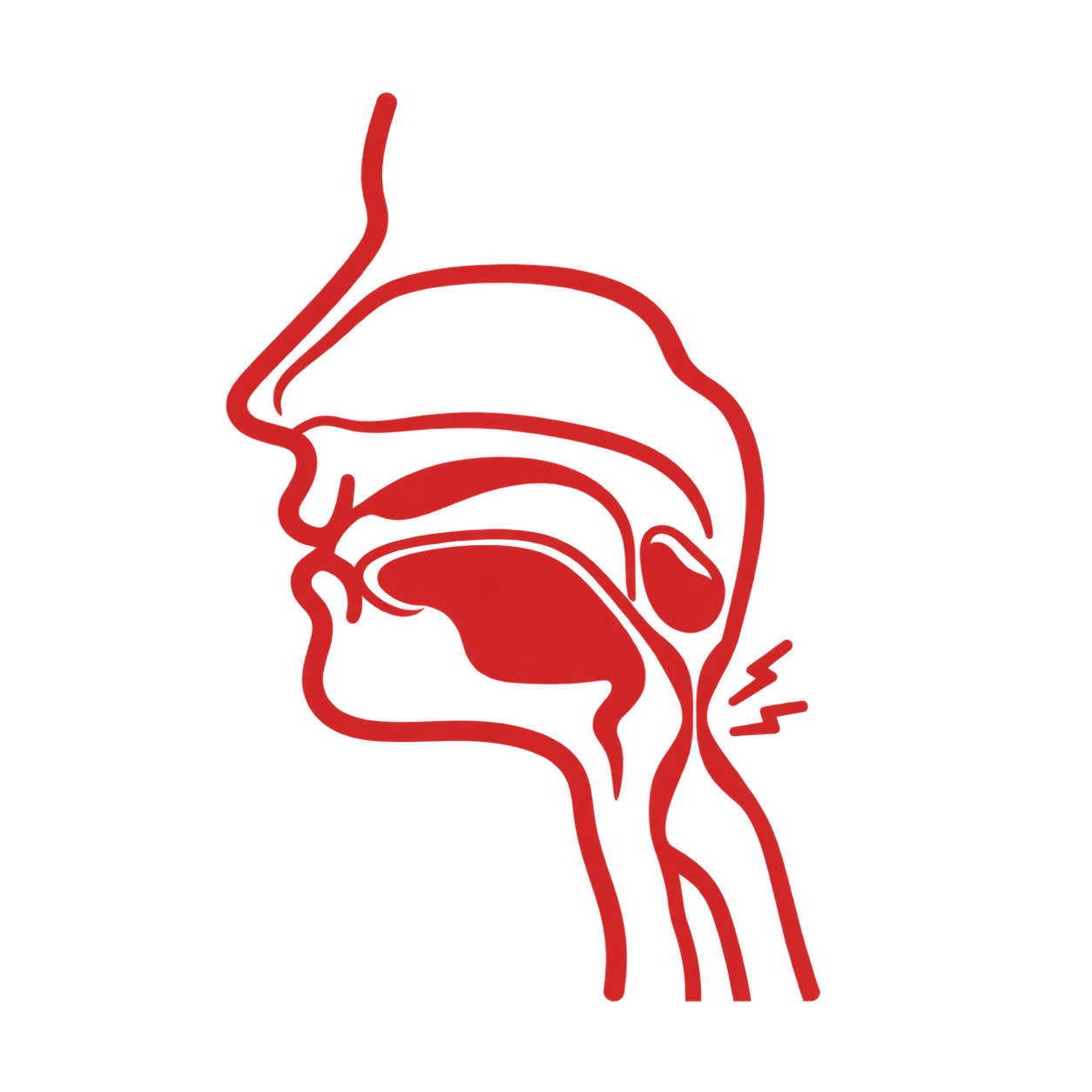 Functional speech and swallowing changes
Rehabilitation timelines and goals
Emotional well-being and psychological resilience
Patient and family expectations
Dr. Gaurav Dhanavat follows a patient-centred 5-step approach:
Every patient’s emotional, psychological, and physical challenges are evaluated individually.
Patients and families receive clear guidance about expected recovery milestones and rehabilitation.
Coordination with rehabilitation, speech, swallowing, and supportive care teams improves recovery outcomes.
Families are guided on how they can effectively support patients throughout the recovery process.
The ultimate goal is to help patients regain confidence, independence, and emotional stability.
Understands the physical and emotional challenges associated with complex cancer treatments.
A treatment philosophy that focuses on both cancer control and patient quality of life.
Experience with major head and neck procedures helps provide realistic recovery guidance.
Care planning considers speech, swallowing, appearance, and daily activities.
Patients and caregivers receive guidance throughout the recovery journey.
Counselling helps patients and families manage emotional challenges, understand recovery changes, and adjust smoothly after major treatment.
Not every patient requires formal counselling, but emotional support and recovery guidance can be beneficial for almost everyone during recovery.
Yes. Family involvement helps caregivers better understand patient needs, manage their own stress, and provide effective home support.
While counselling does not replace medical treatment, it significantly improves motivation, coping ability, and active participation in physical rehabilitation.
Support can begin immediately after surgery or during the recovery planning phase, depending on the patient’s individual needs.
Recovering from major head and neck cancer surgery involves both physical healing and emotional adjustment. Professional guidance and support can help patients and families navigate this important phase. Dr. Gaurav Dhanavat provides comprehensive post-surgery support for head and neck cancer patients in Thane, focusing on recovery guidance, emotional well-being, and improved quality of life after treatment.