Temporary Tracheostomy
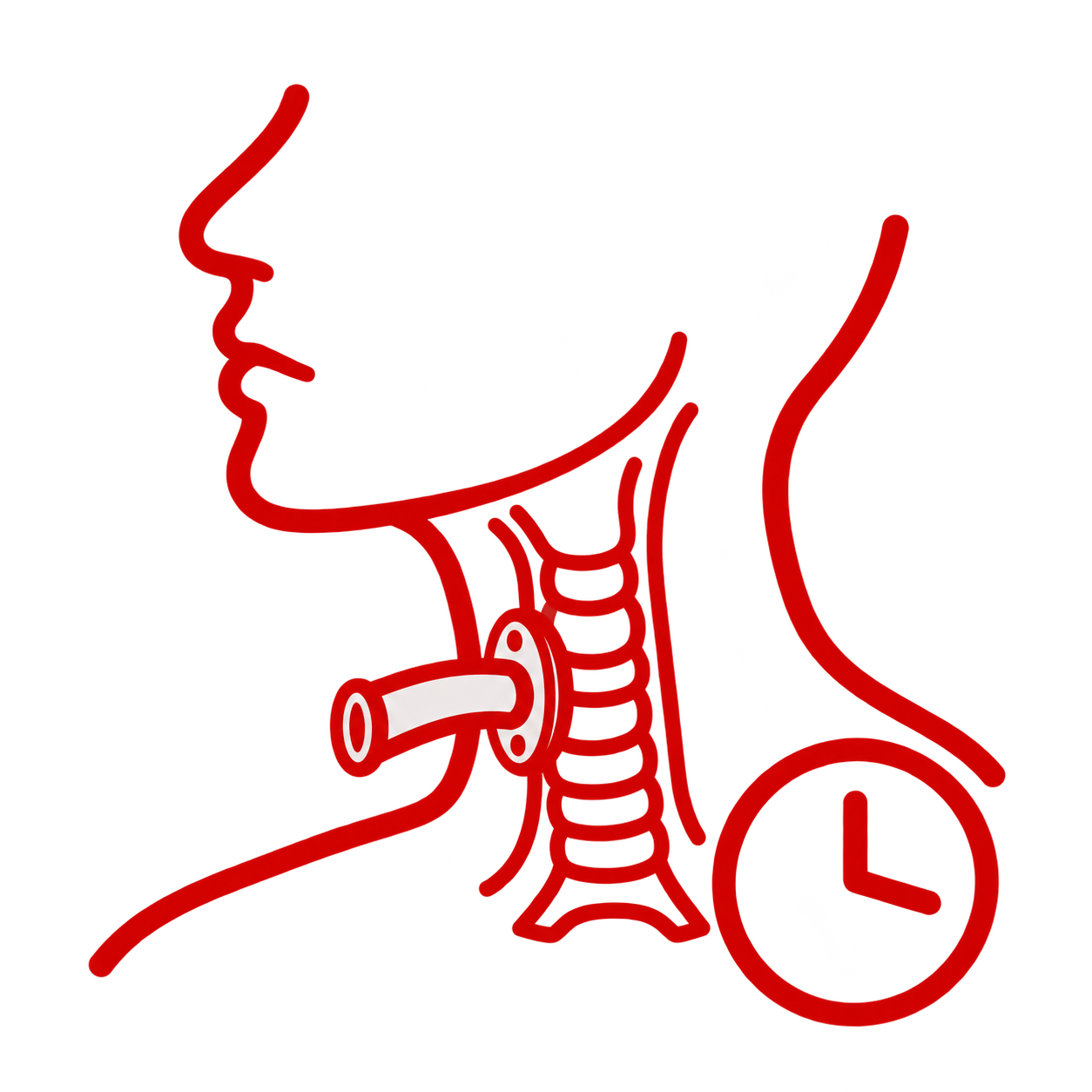
A temporary tracheostomy is performed when airway support is needed for a limited duration.
Removed once: The airway becomes safe, swelling reduces, or the patient can breathe normally without support.

A tracheostomy is a specialised surgical procedure that creates an opening in the windpipe (trachea) to help patients breathe when the normal airway is blocked, narrowed, or unable to function effectively.
Tracheostomy may be required in patients with head and neck cancers, airway obstruction, breathing difficulties, or after major surgeries affecting the throat and upper airway. Proper evaluation and expert surgical care are essential to ensure airway safety and improve patient comfort.
At Dr. Gaurav Dhanavat's clinic in Thane, advanced tracheostomy procedures and airway management are performed with a focus on patient safety, functional outcomes, and personalised care. Dr. Gaurav Dhanavat is a Head & Neck Cancer Surgeon, Oral & Maxillofacial Surgeon, and Microvascular Reconstruction Specialist in Thane, experienced in managing complex head and neck conditions requiring airway support.
With specialised training including FHNO Fellowship in Oral Cancer Surgery, MDS in Oral & Maxillofacial Surgery, and recognition through a Dubai Health Authority (DHA) licence, he provides comprehensive surgical care for complex head and neck cases.
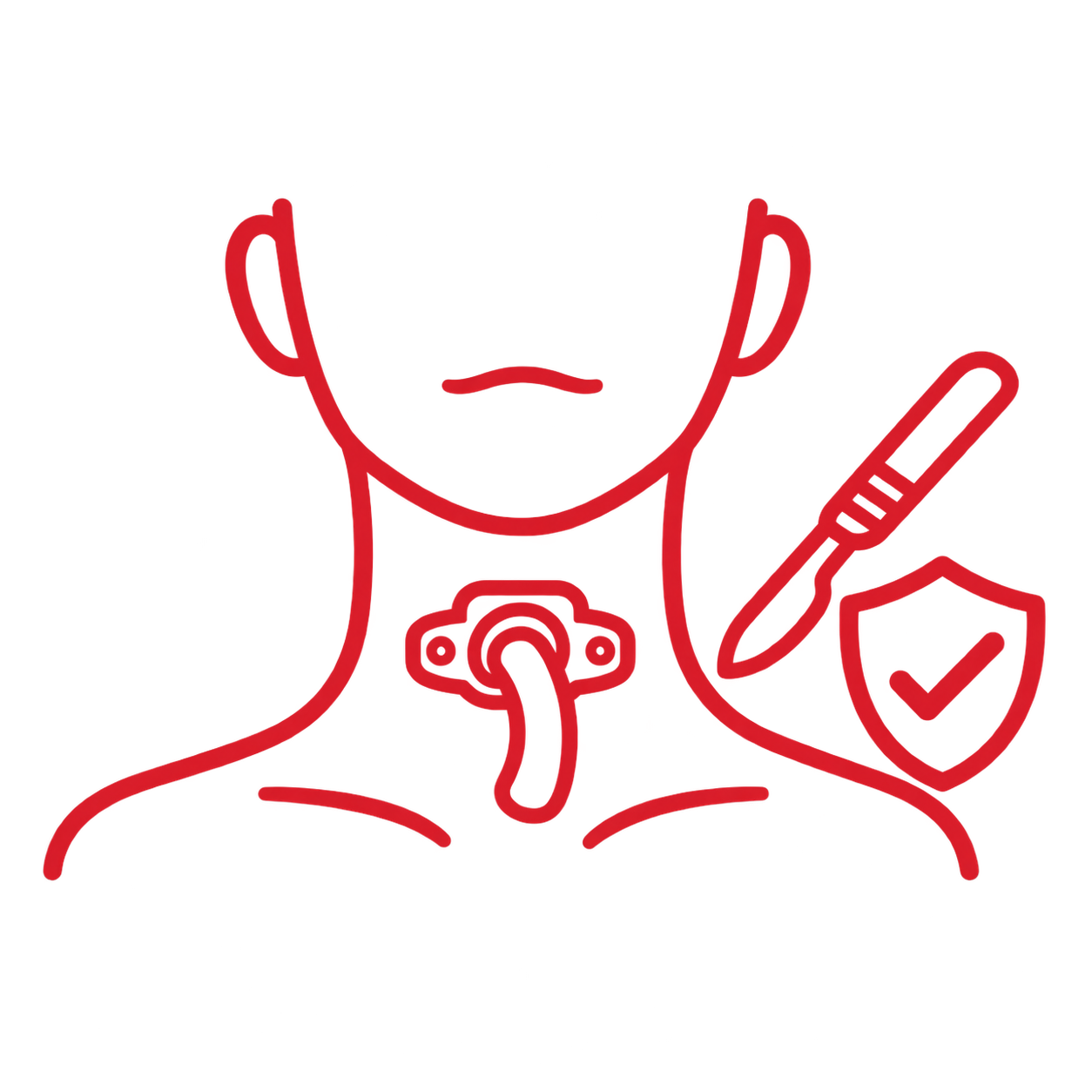
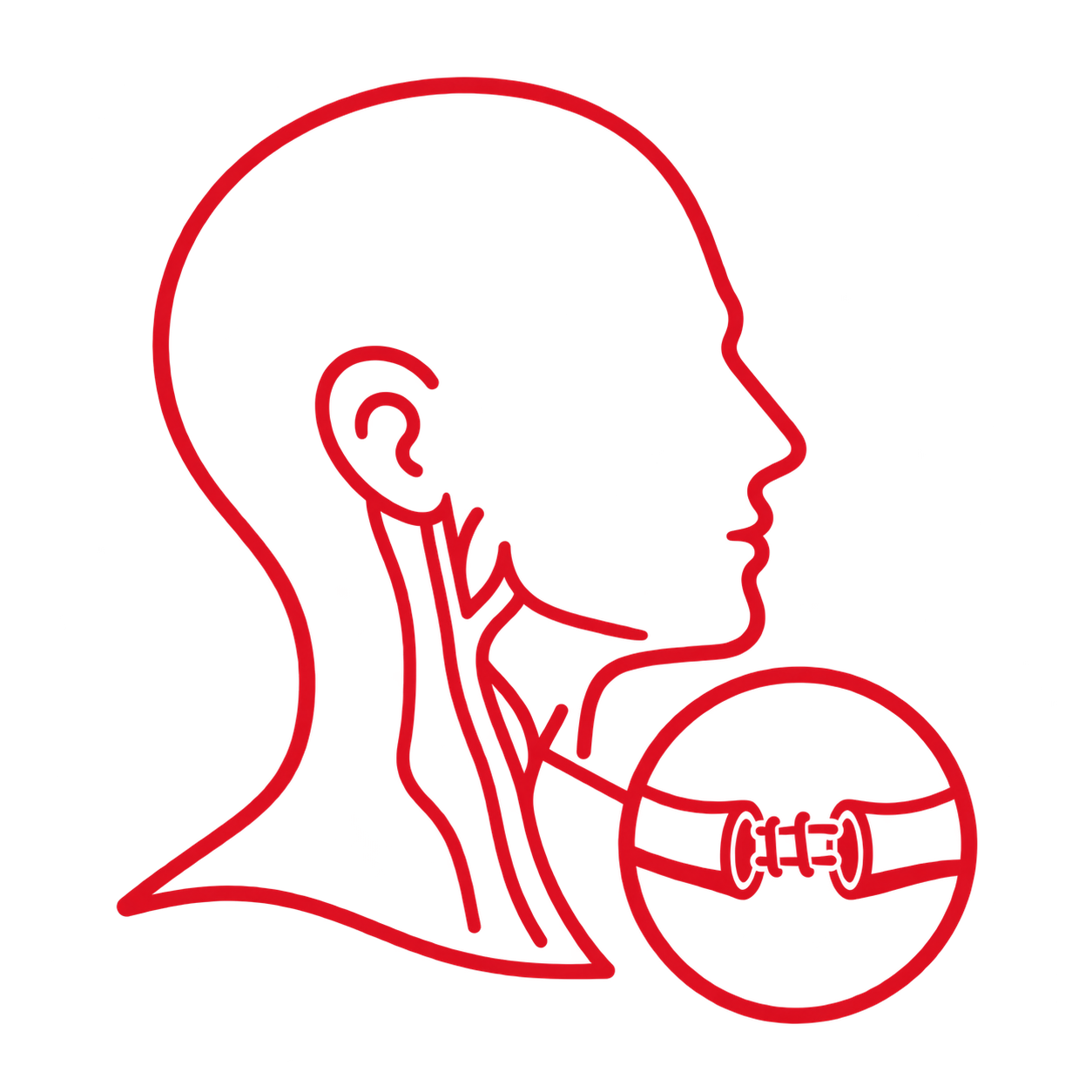
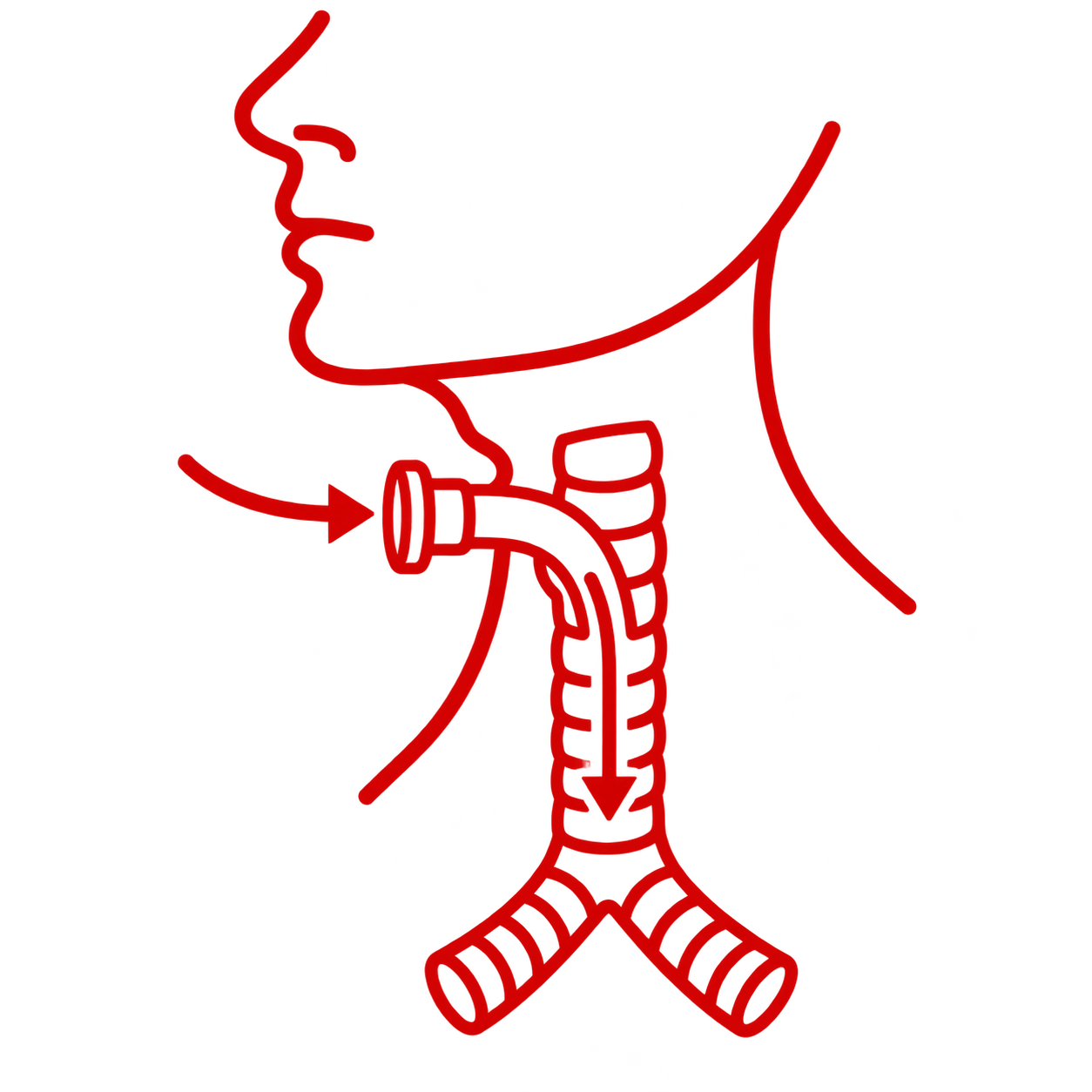
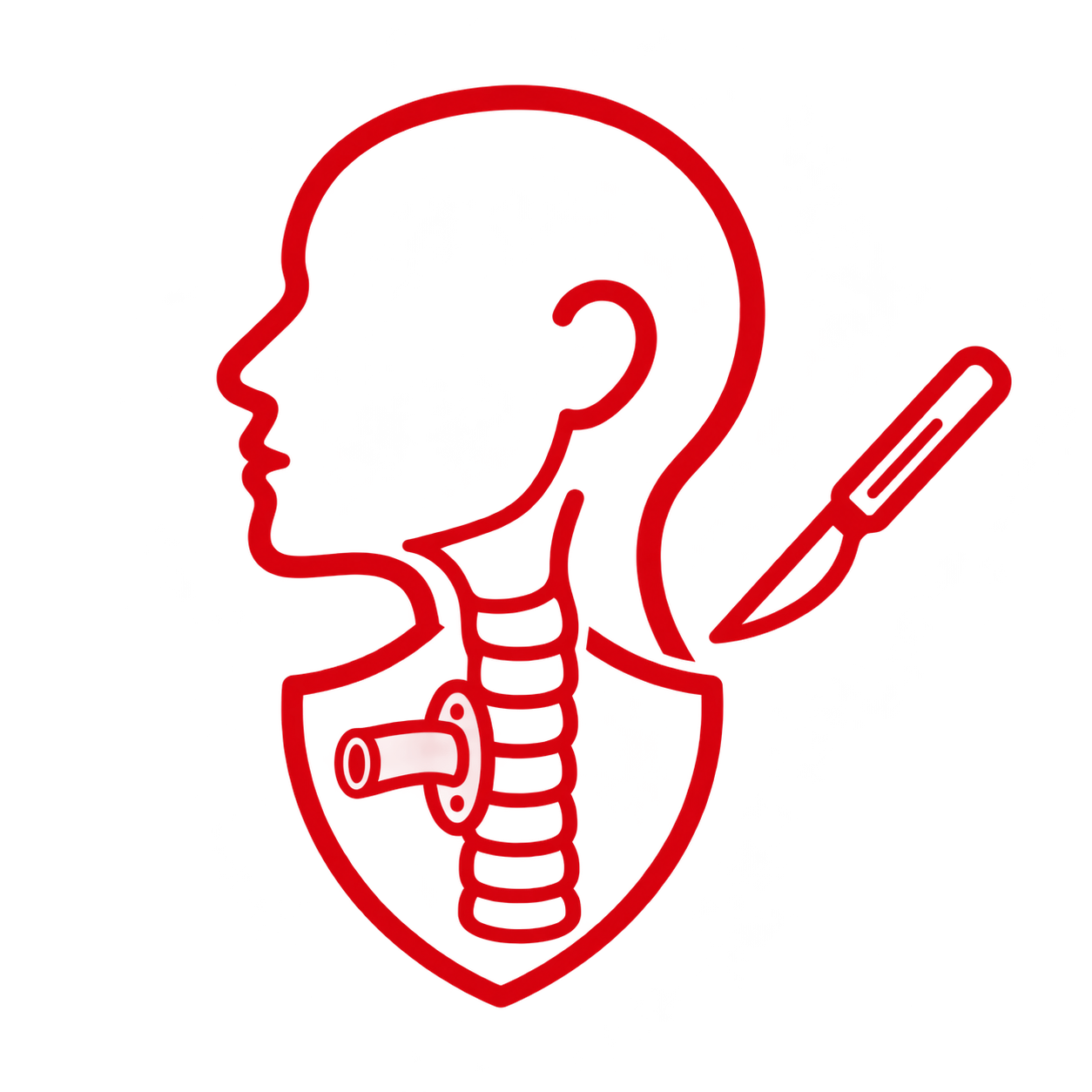
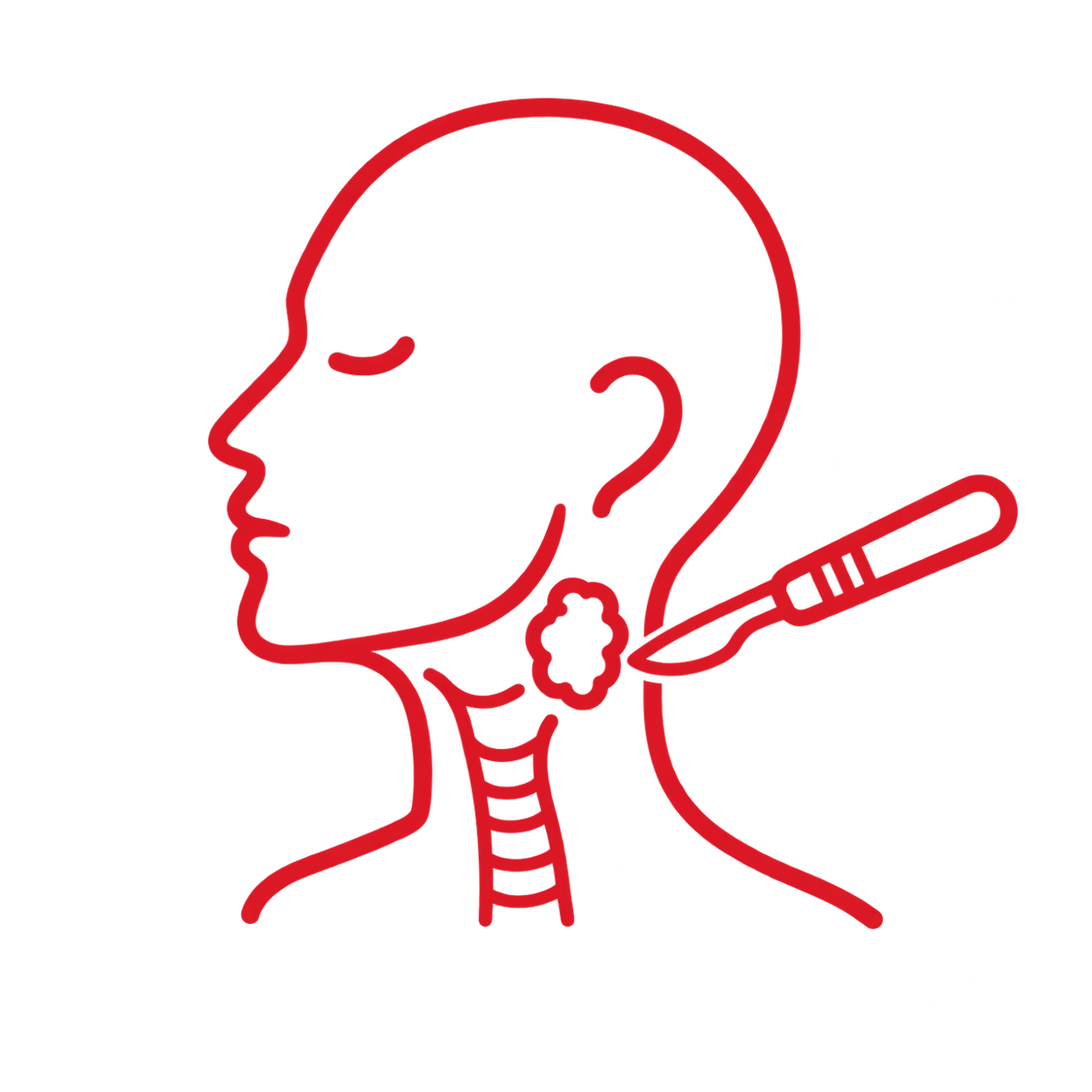
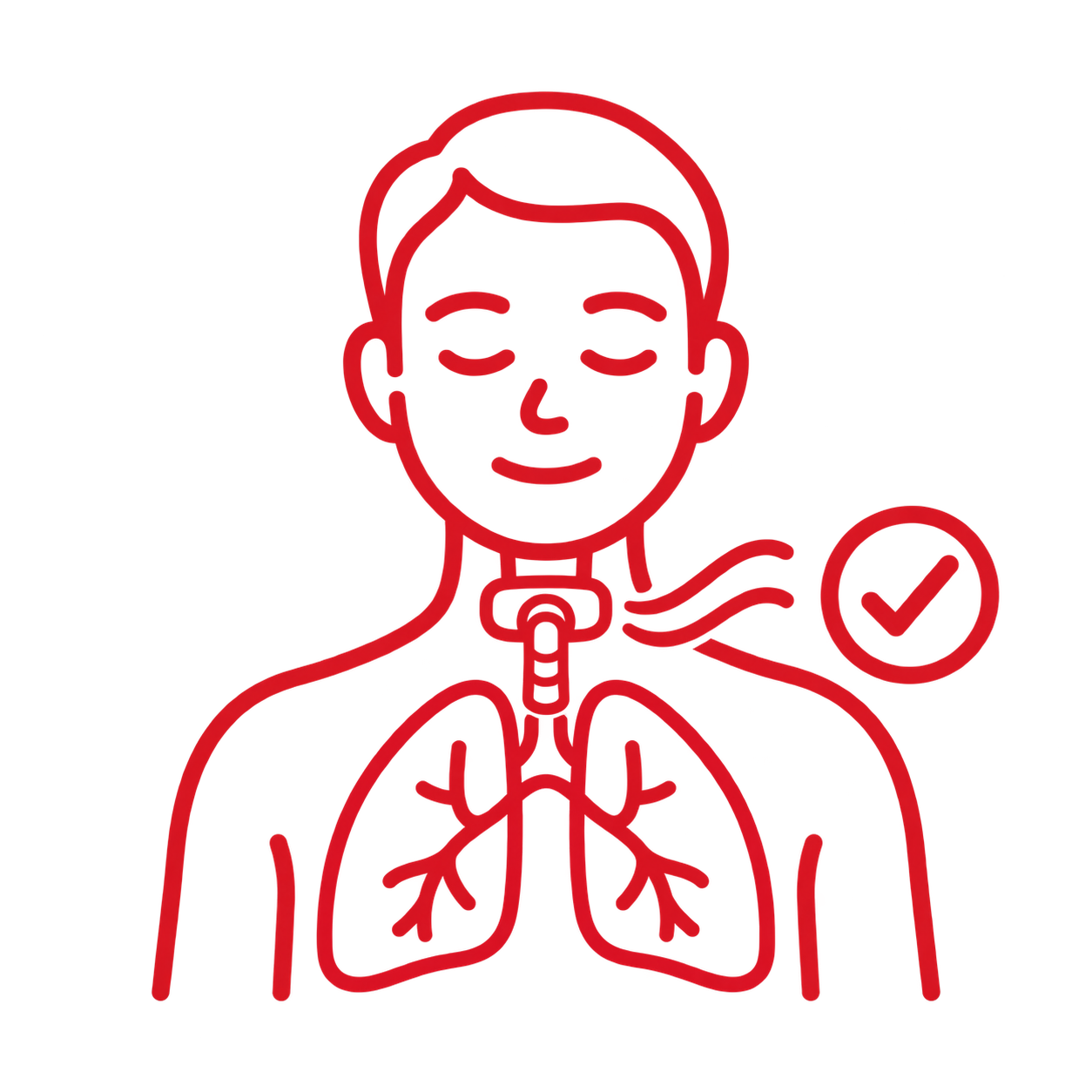
A tracheostomy is a surgical procedure in which a small opening is created in the front of the neck to directly access the trachea (windpipe). A tracheostomy tube is then placed through this opening to allow air to pass into the lungs.
It helps patients breathe when airflow through the nose, mouth, or throat is restricted.
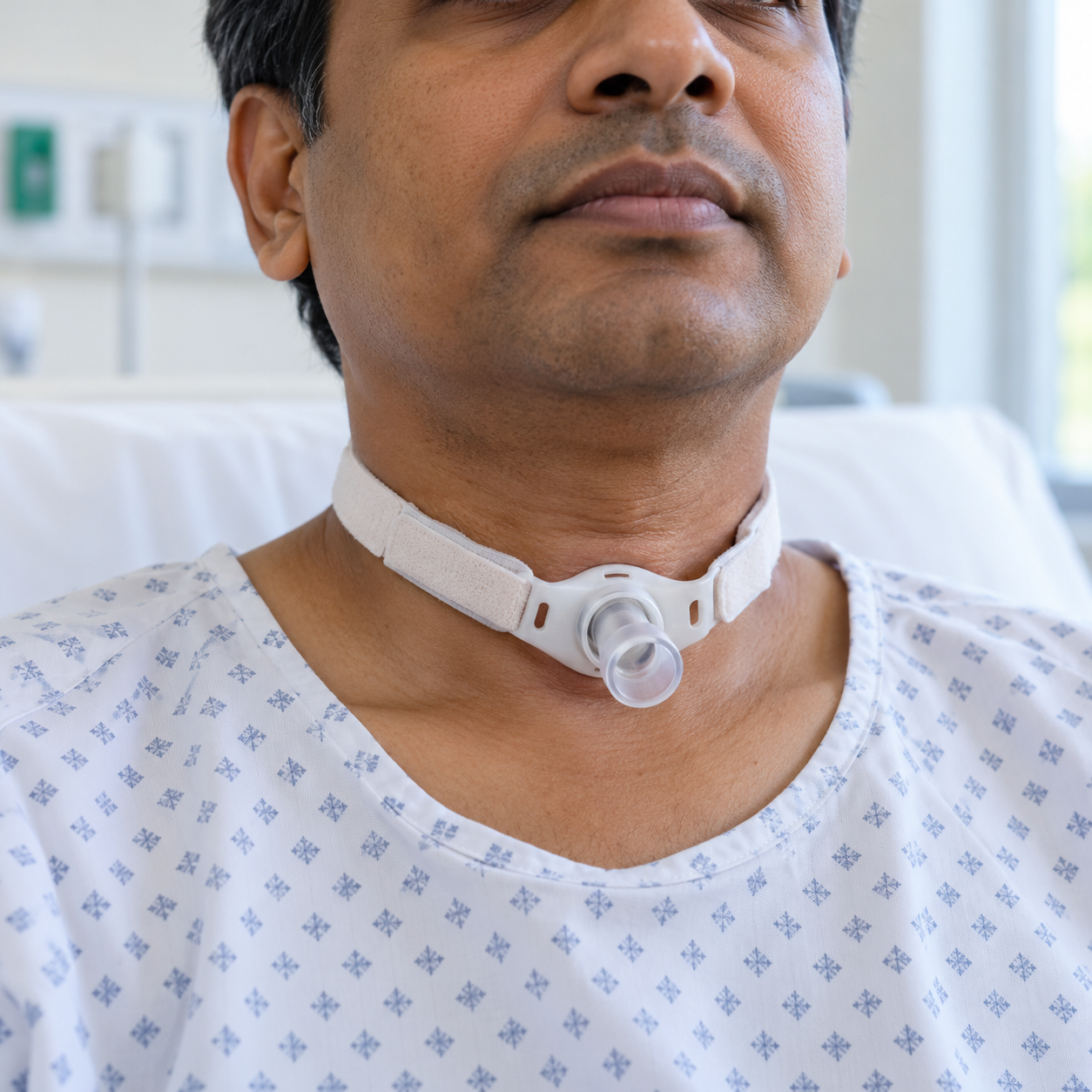
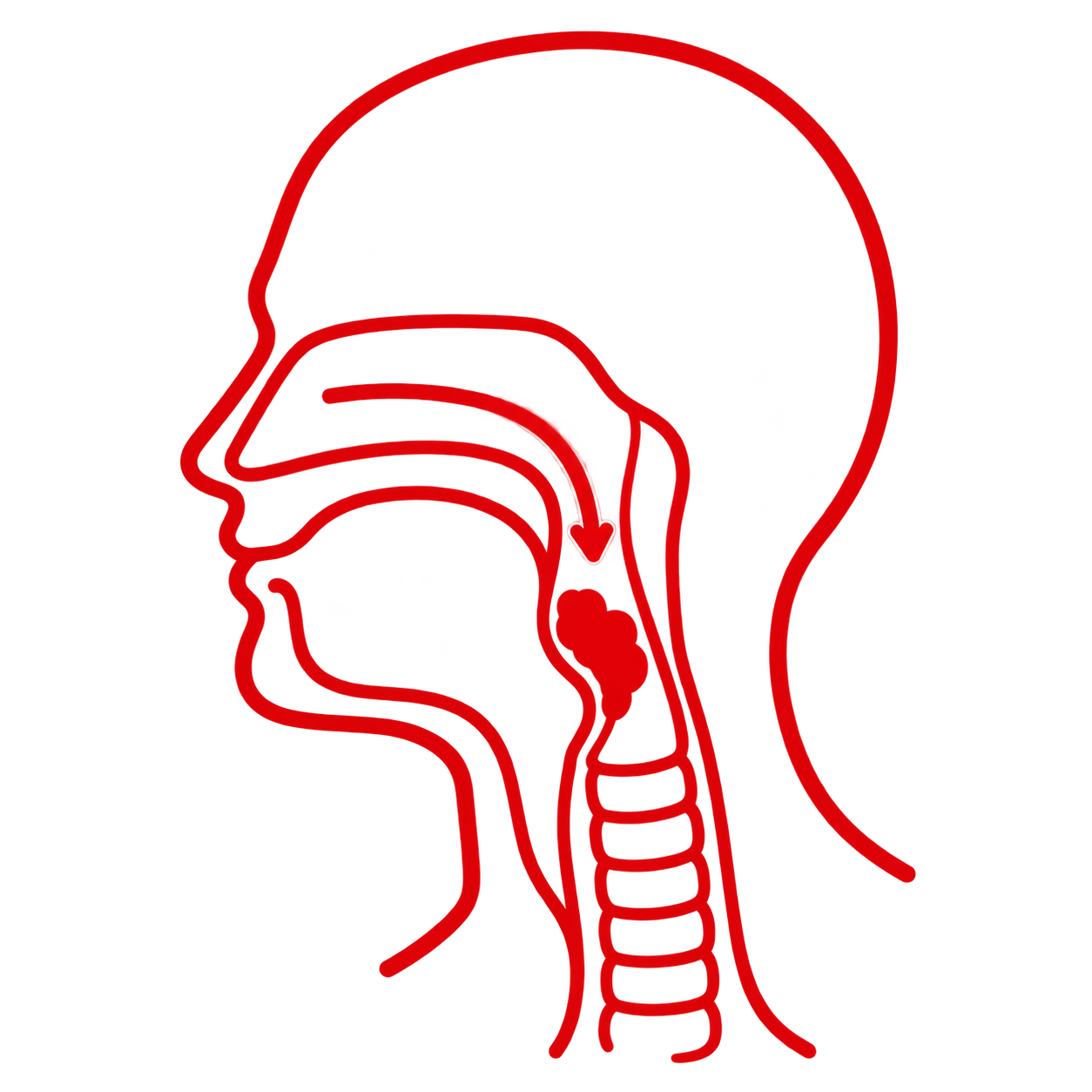
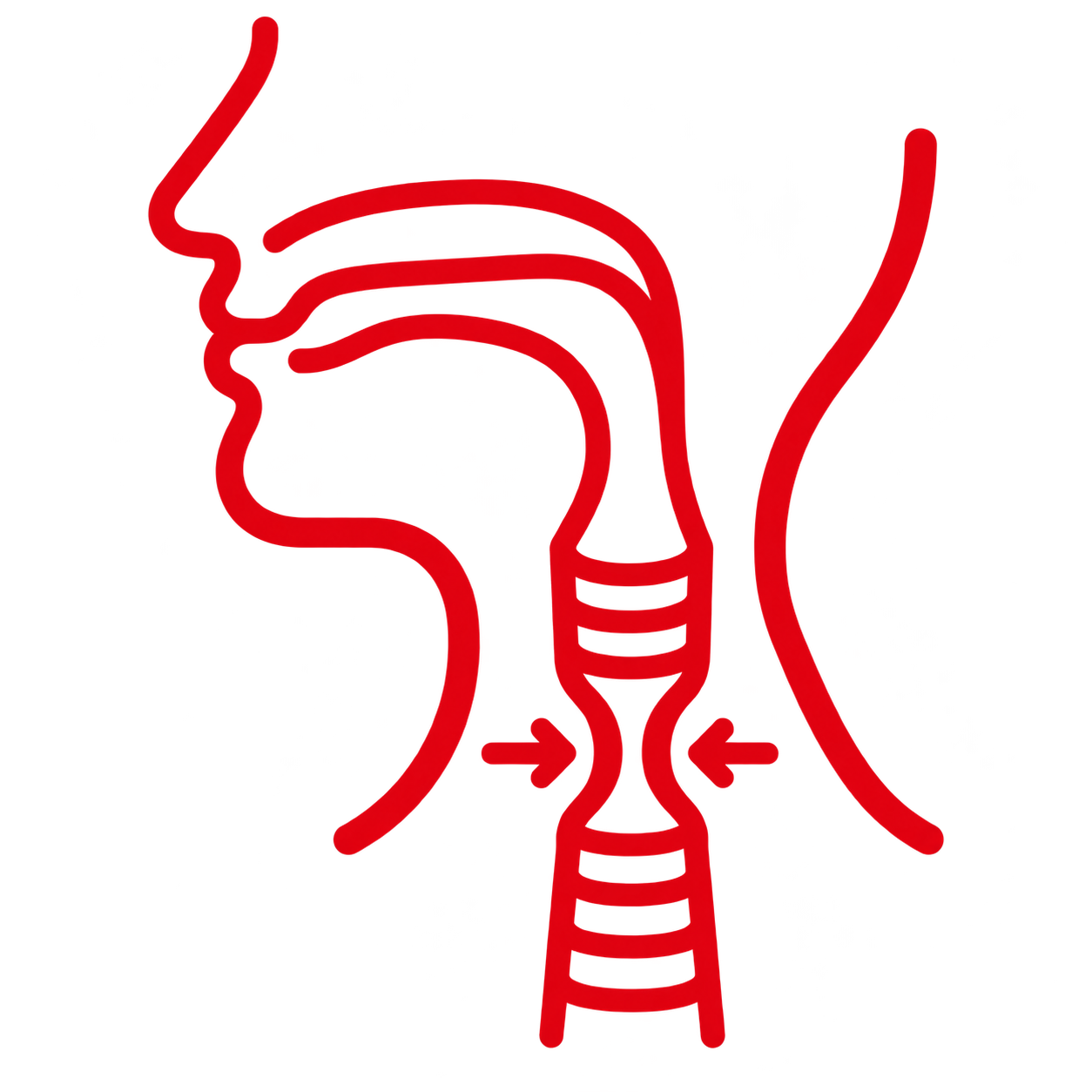
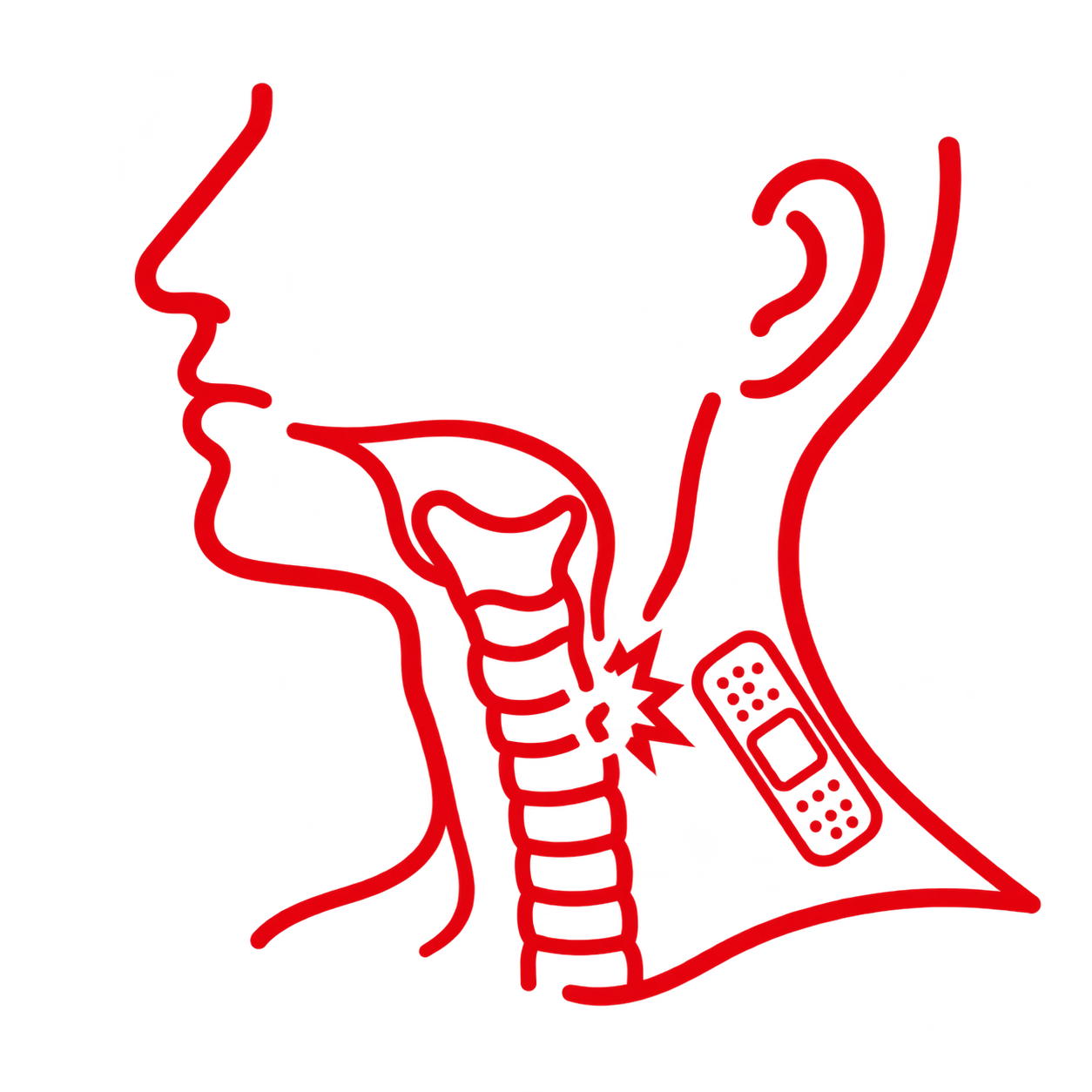
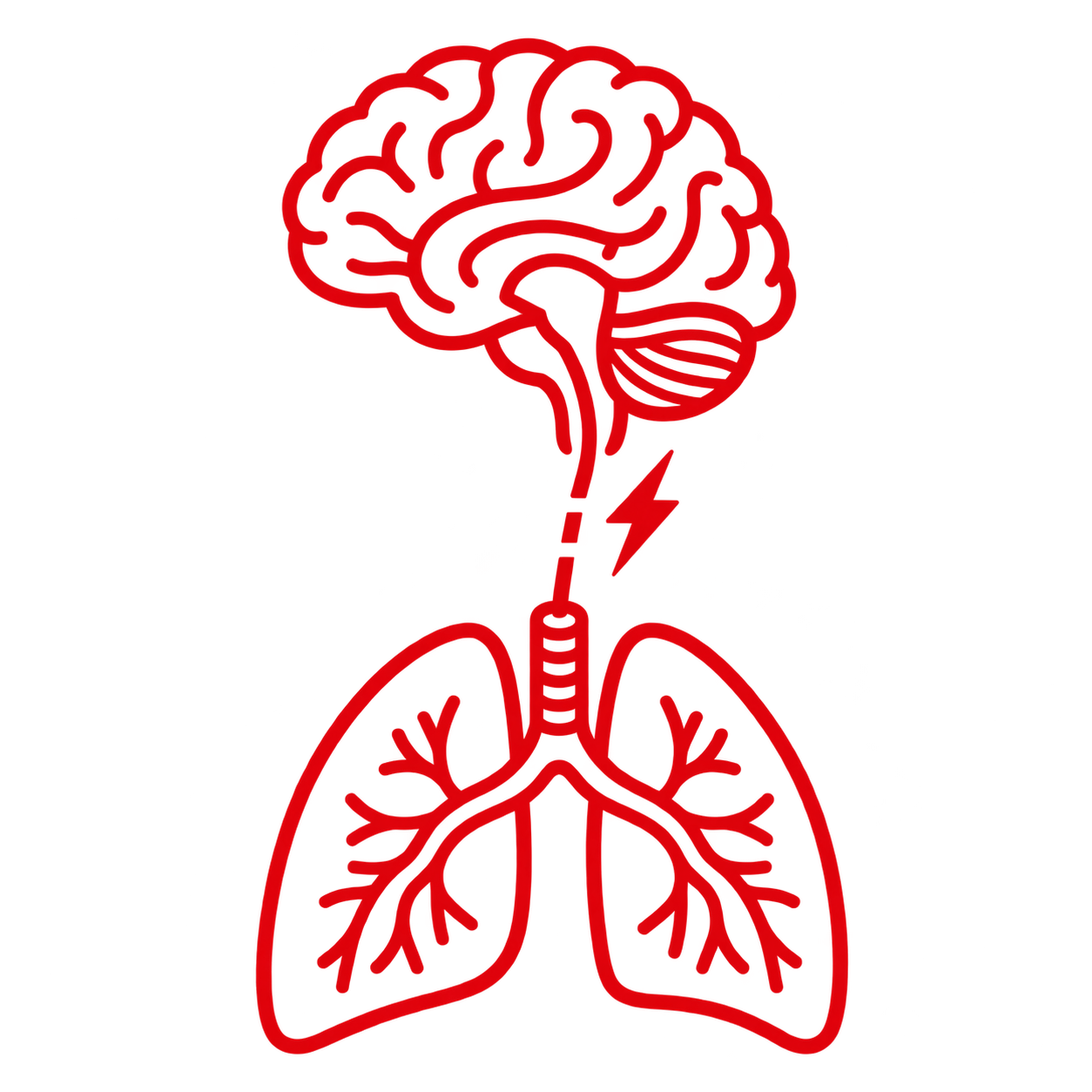
A tracheostomy may be recommended when a patient has difficulty breathing due to:
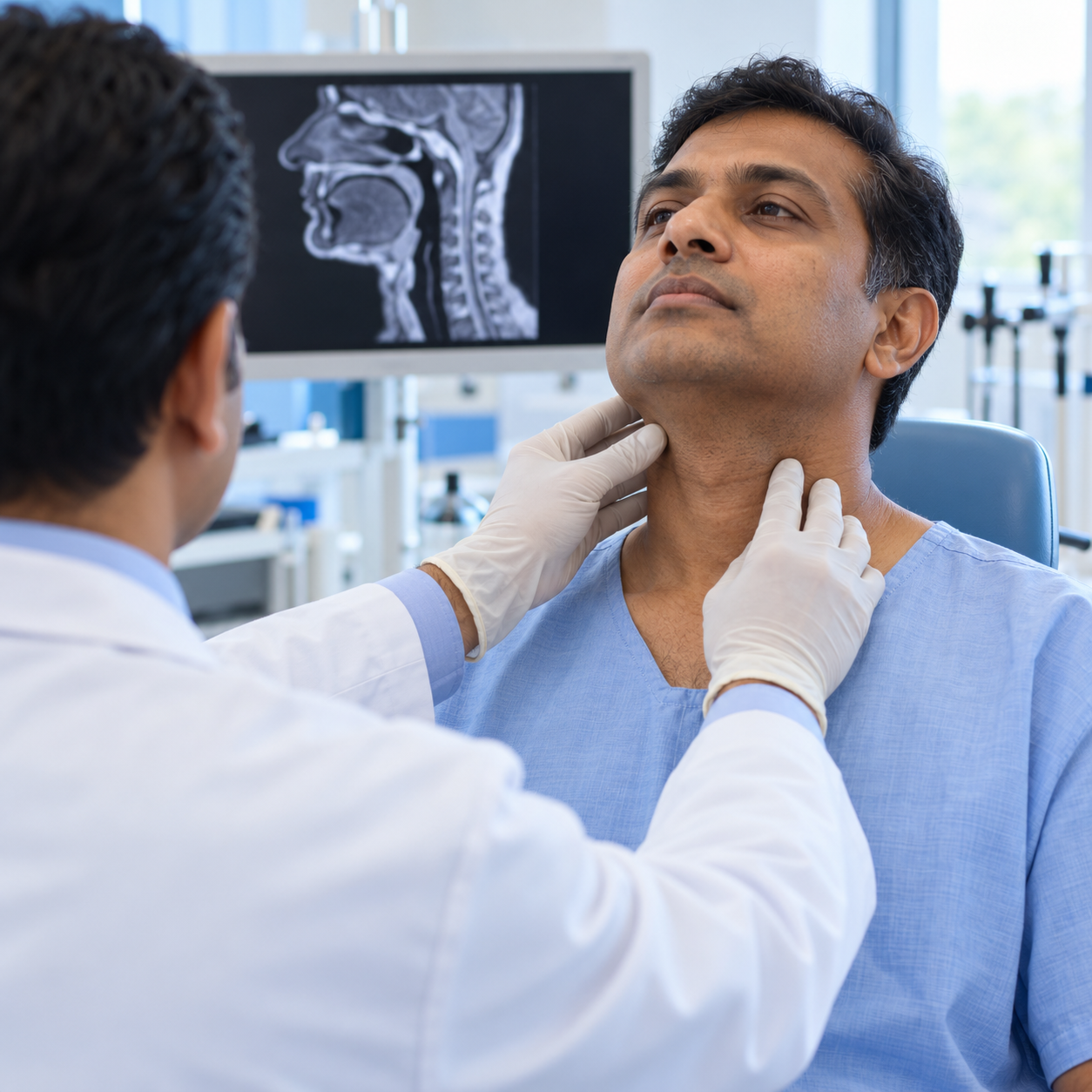
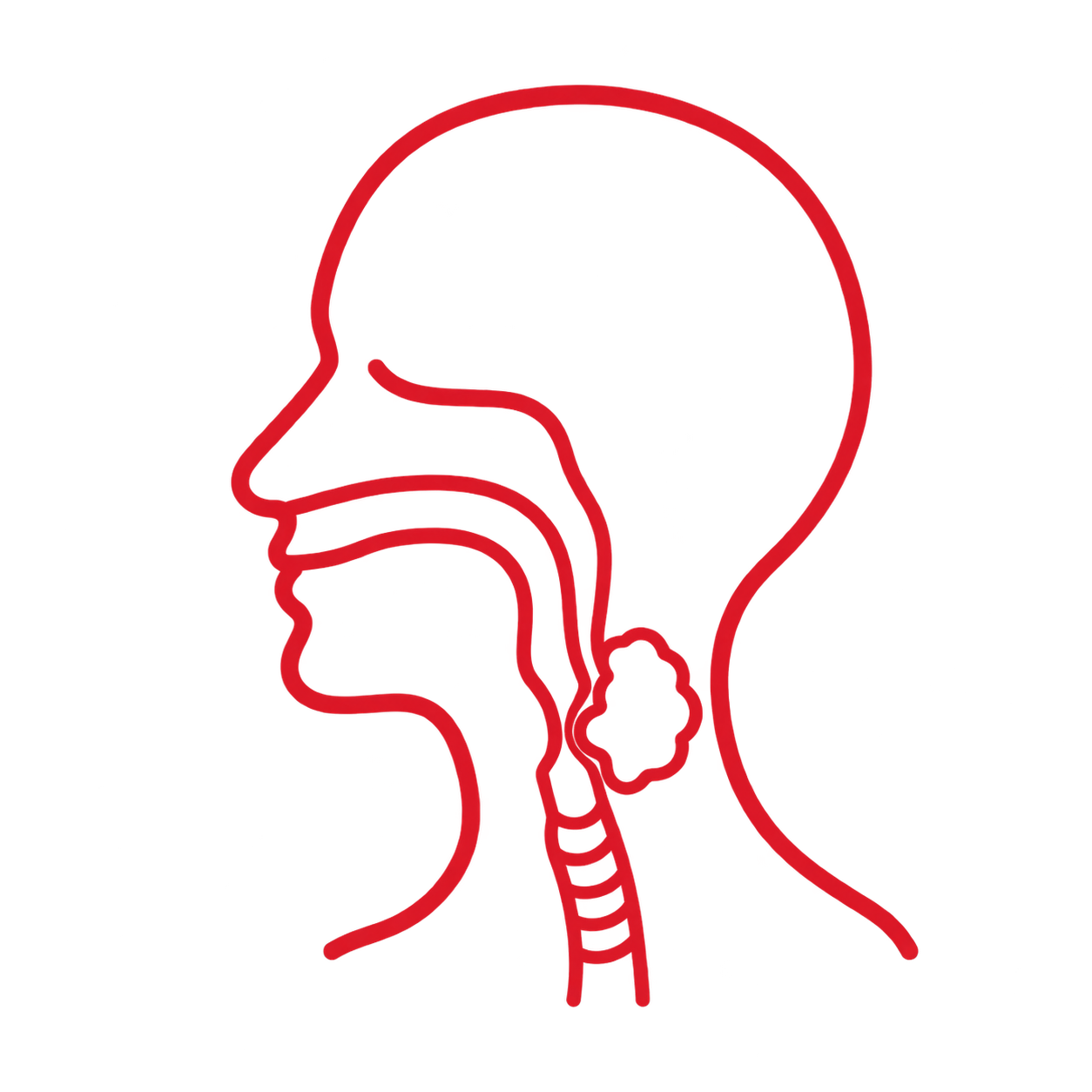
Head and neck cancers can sometimes affect areas involved in breathing, including the voice box (larynx), throat (pharynx), tongue, oral cavity, and upper airway structures. A tracheostomy may be required:
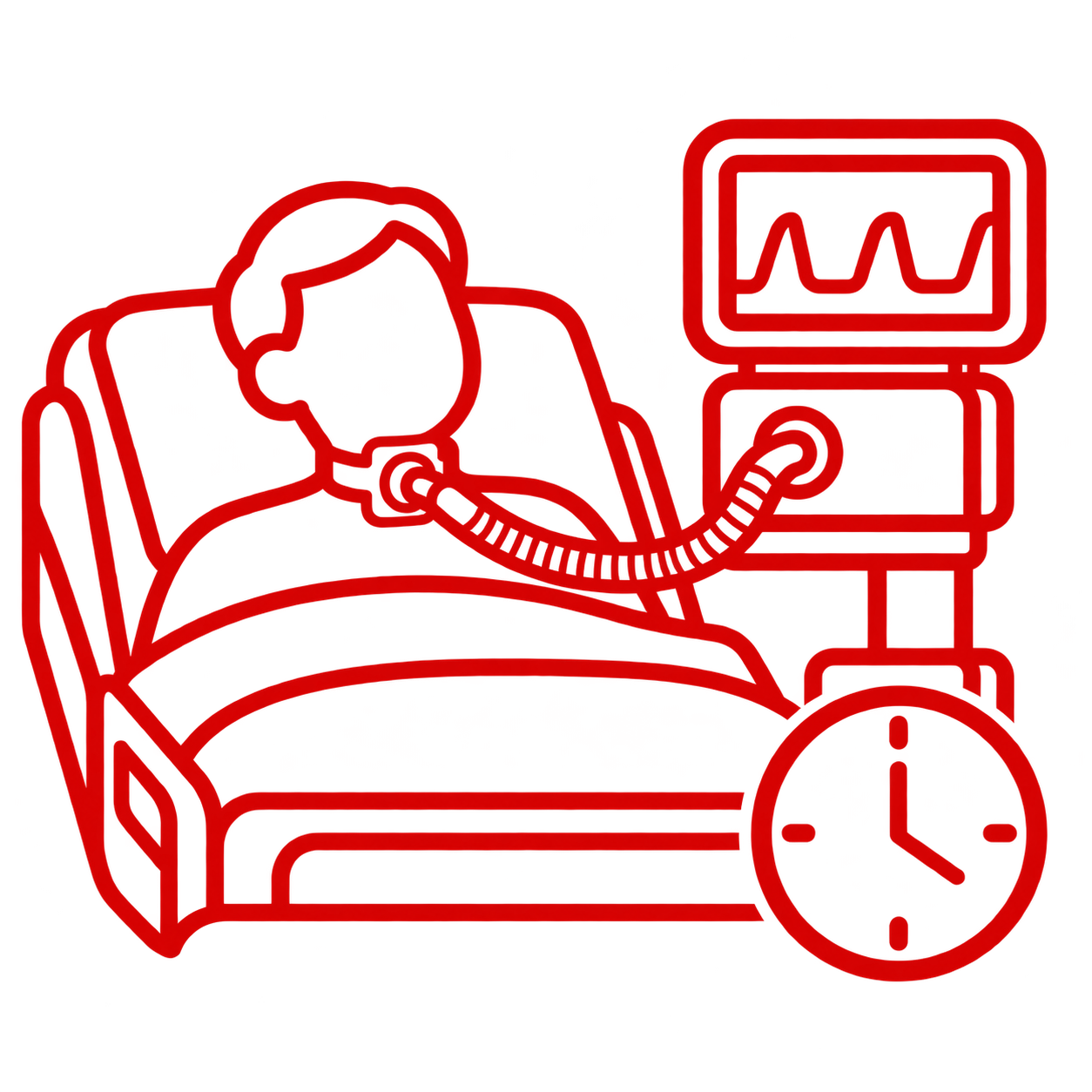
A temporary tracheostomy is performed when airway support is needed for a limited duration.
Removed once: The airway becomes safe, swelling reduces, or the patient can breathe normally without support.
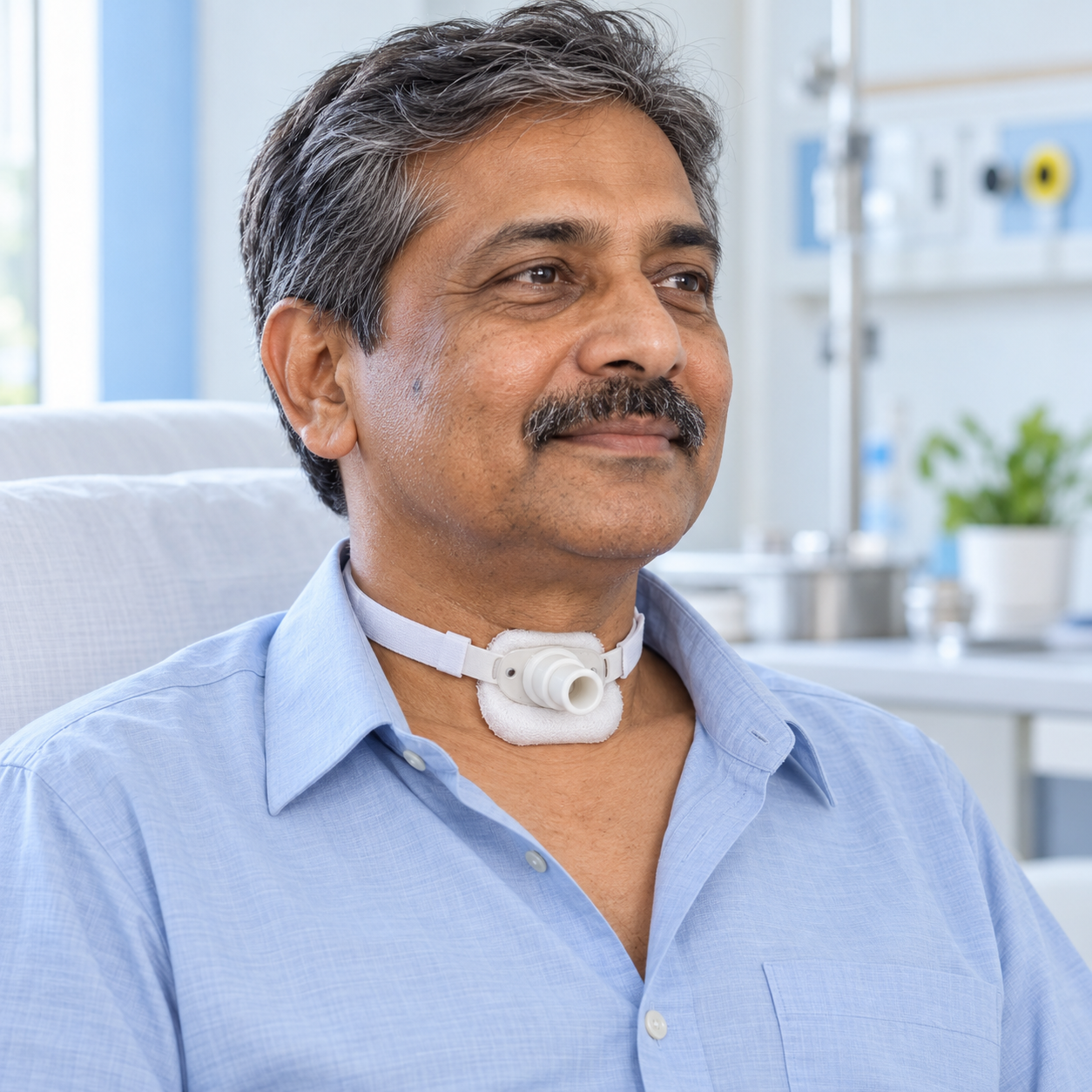
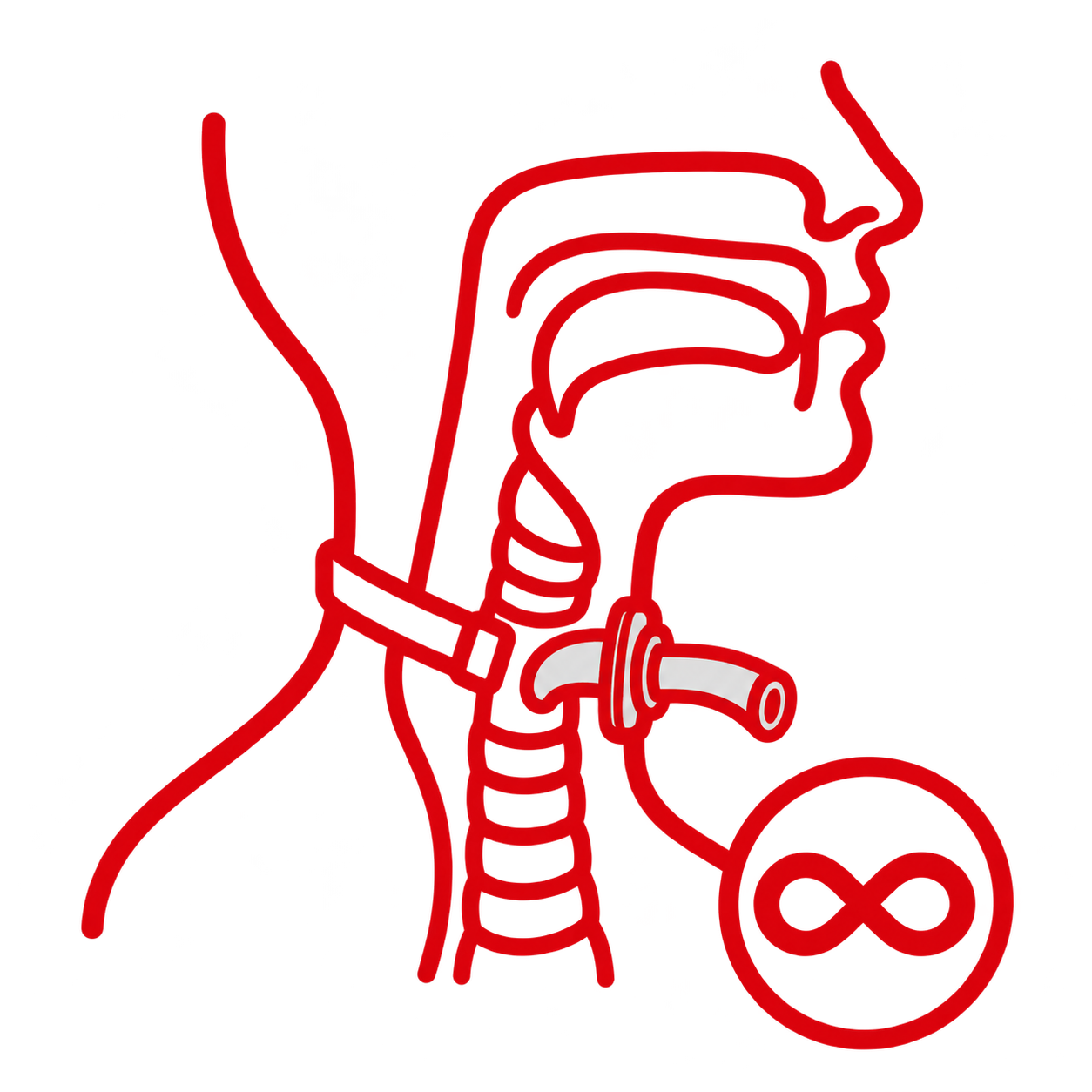
A permanent tracheostomy may be required when long-term airway access is necessary.
Considered in: Permanent airway changes after certain surgeries, advanced airway-related cancers, or severe structural airway problems.
A tracheostomy procedure generally involves five systematic steps:
The specialist assesses breathing difficulties, medical history, imaging, and airway condition.
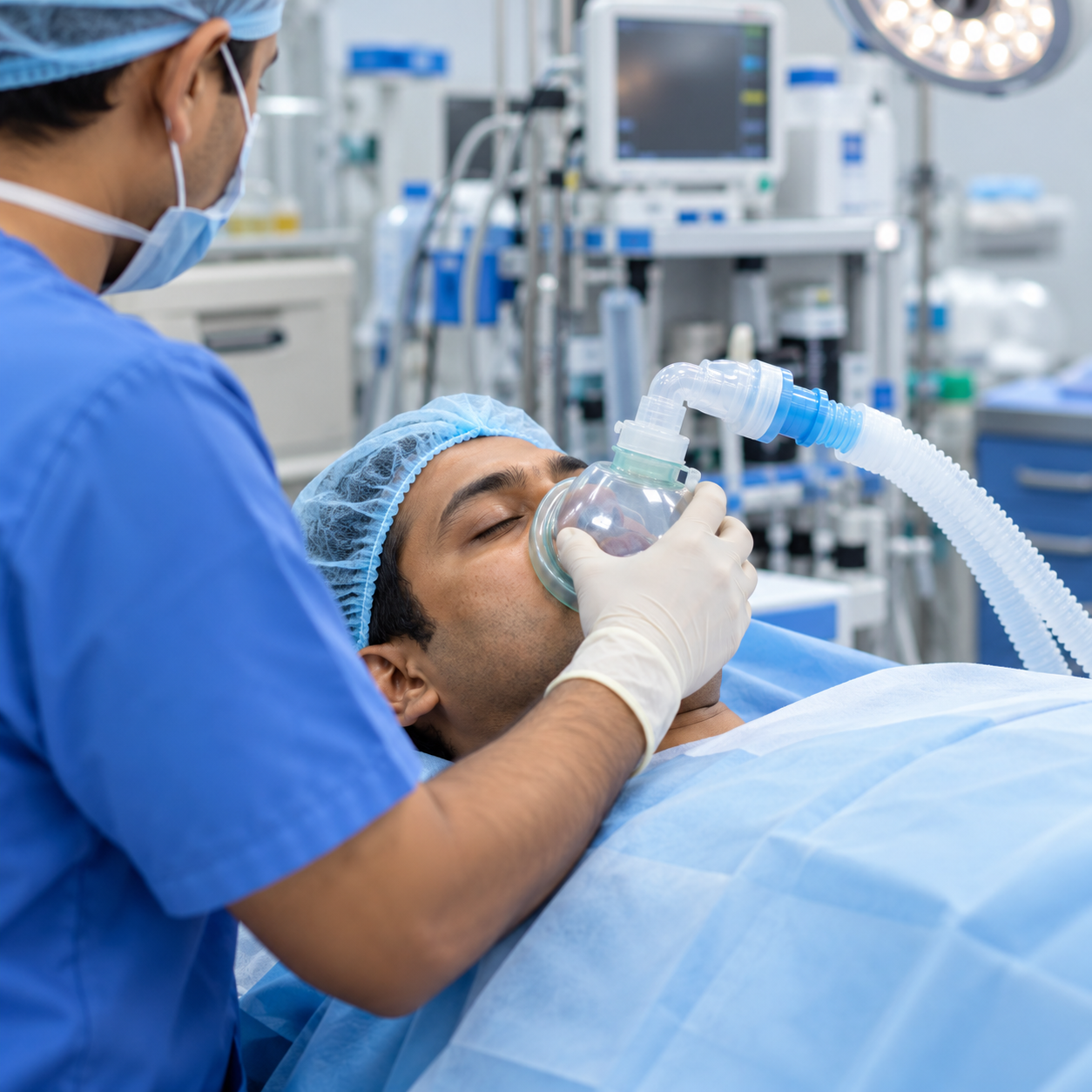
The procedure is performed under appropriate anaesthesia to ensure patient comfort and safety.
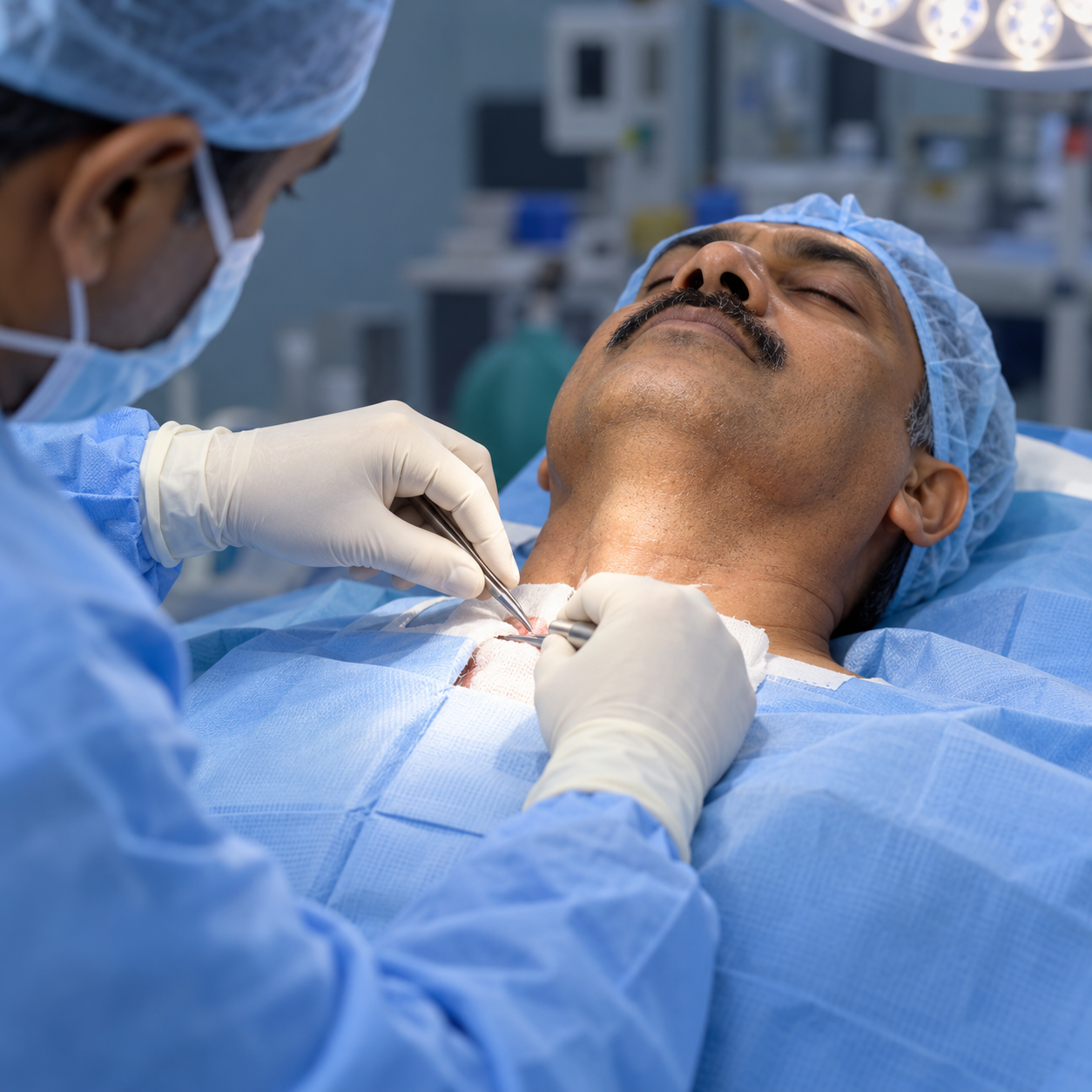
A small, precise opening is created in the front of the neck to access the windpipe.
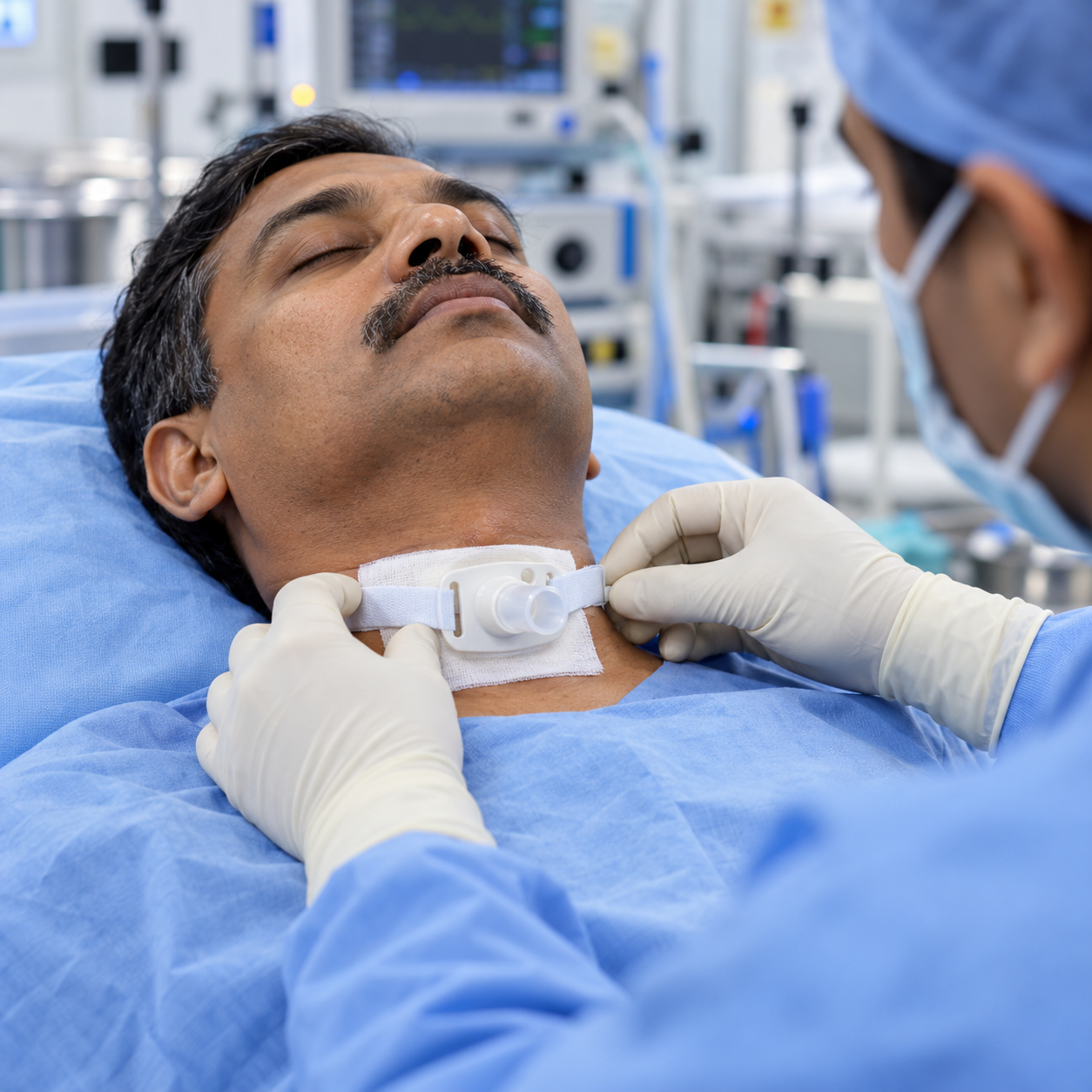
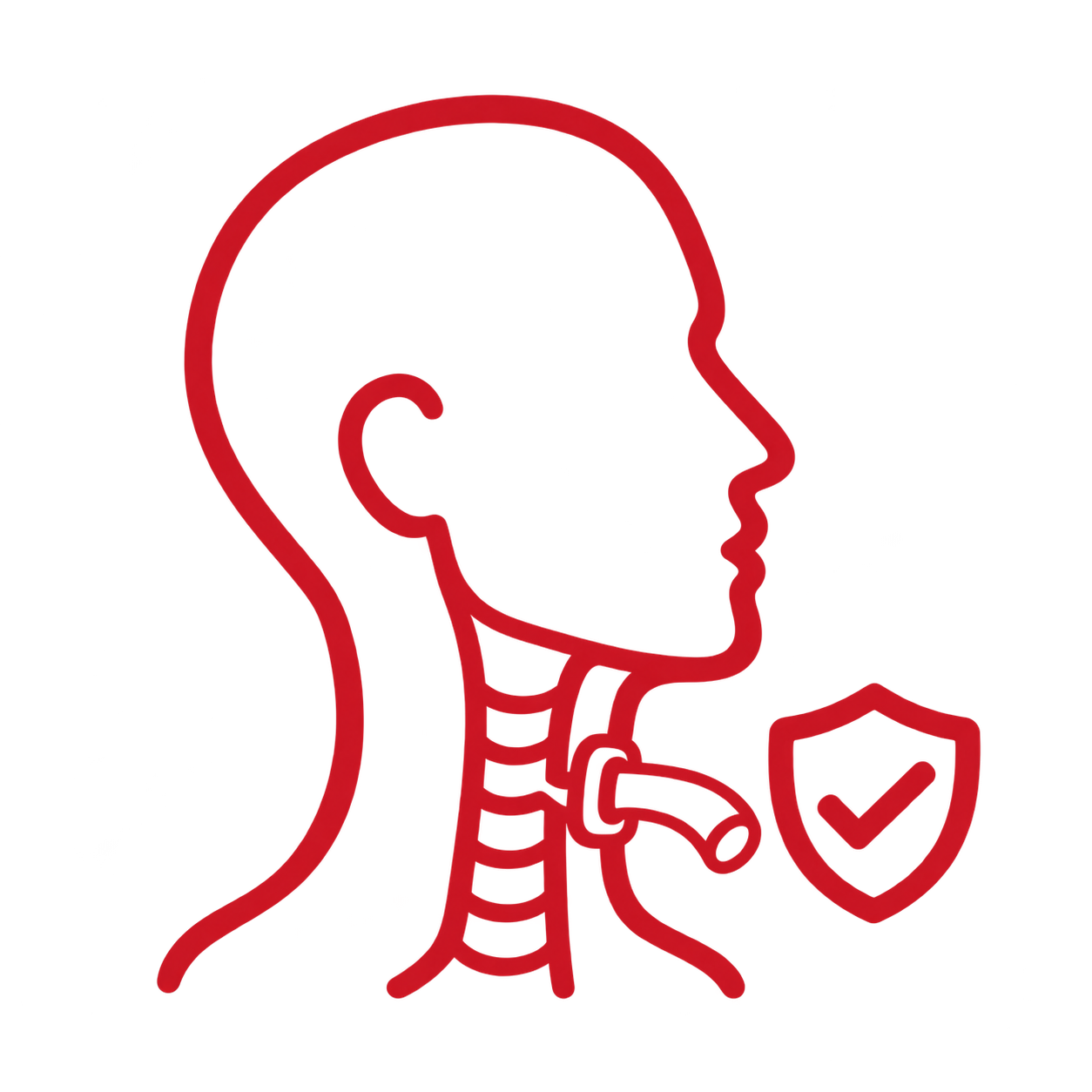
A specialised tracheostomy tube is inserted to maintain a reliable, open airway.
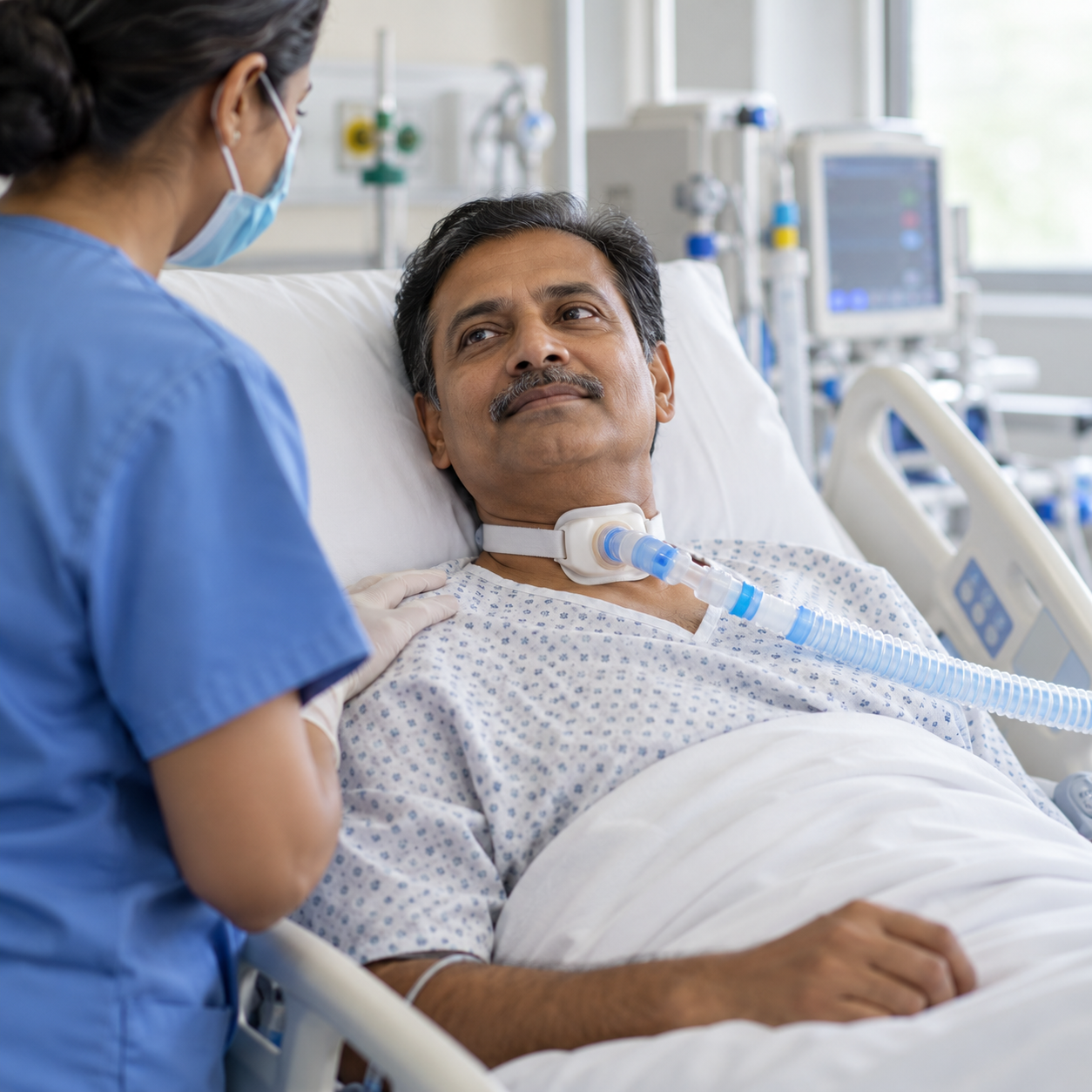
The patient receives comprehensive guidance regarding tube care, breathing support, and recovery.
Provides a direct, unobstructed pathway for air to enter the lungs.
Helps prevent sudden or severe airway blockage in high-risk situations.
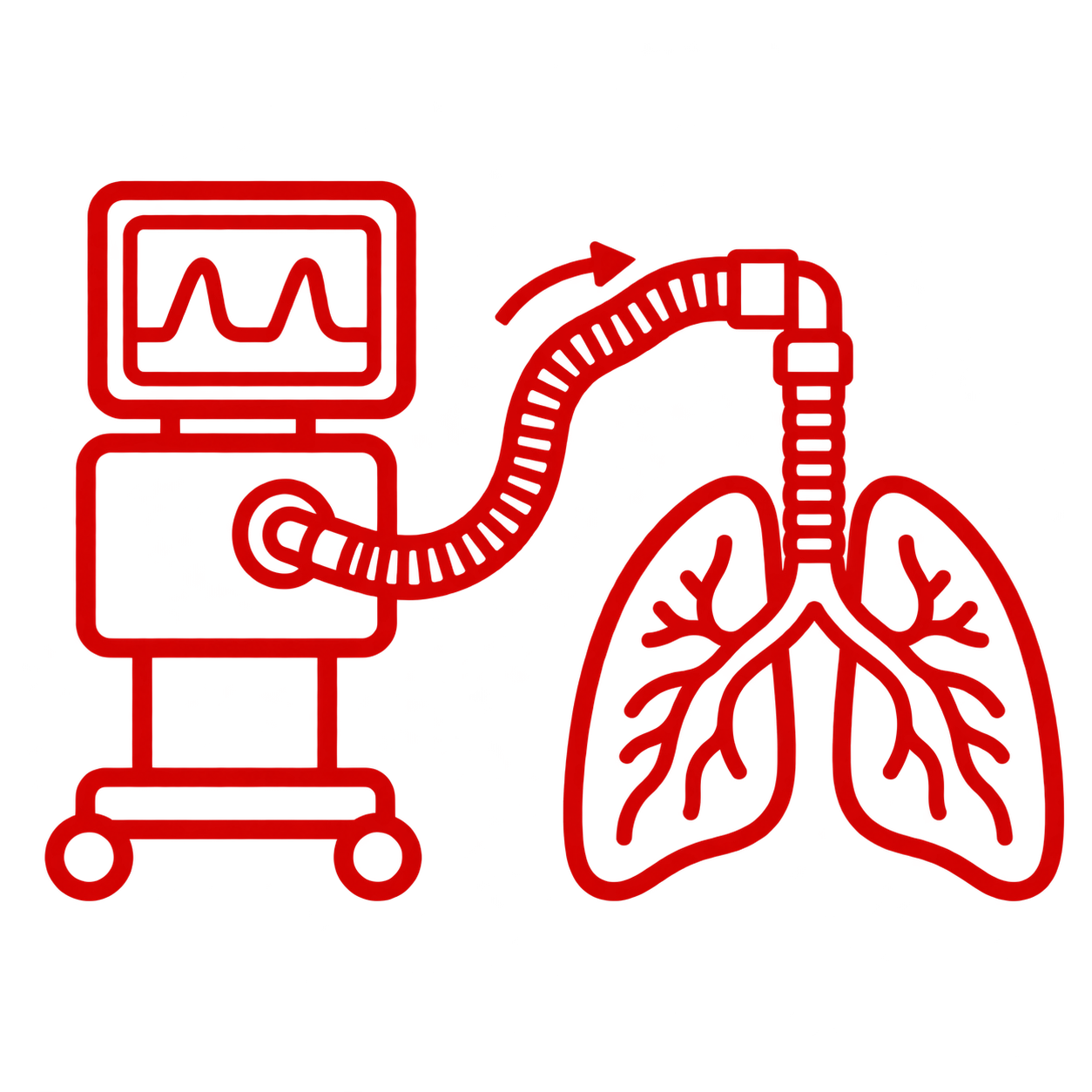
Provides essential temporary breathing support after complex head and neck surgeries.
May significantly reduce breathing difficulty caused by severe airway obstruction.
Dr. Gaurav Dhanavat follows a comprehensive approach involving:
Evaluation of airway condition helps determine the need and timing of tracheostomy.
Advanced surgical planning helps ensure accurate tube placement and airway management.
For head and neck cancer patients, tracheostomy planning is integrated with overall cancer treatment.
Treatment decisions focus on breathing, speech, swallowing, and quality of life.
Dr. Gaurav Dhanavat specialises in managing complex conditions involving the head, neck, and airway.
His experience helps manage airway-related challenges associated with cancer treatment.
Provides comprehensive understanding of complex facial and neck structures.
Expertise in reconstruction supports patients undergoing major head and neck procedures.
Every treatment plan is customised according to individual medical needs.
A tracheostomy is performed to create a safe airway when normal breathing pathways are blocked, narrowed, or unable to function properly.
It can be either. A temporary tracheostomy is removed once the airway is safe, swelling has reduced, or you can breathe normally without support. A permanent tracheostomy is needed only when long-term airway access is necessary. Your surgeon will explain which applies to your condition.
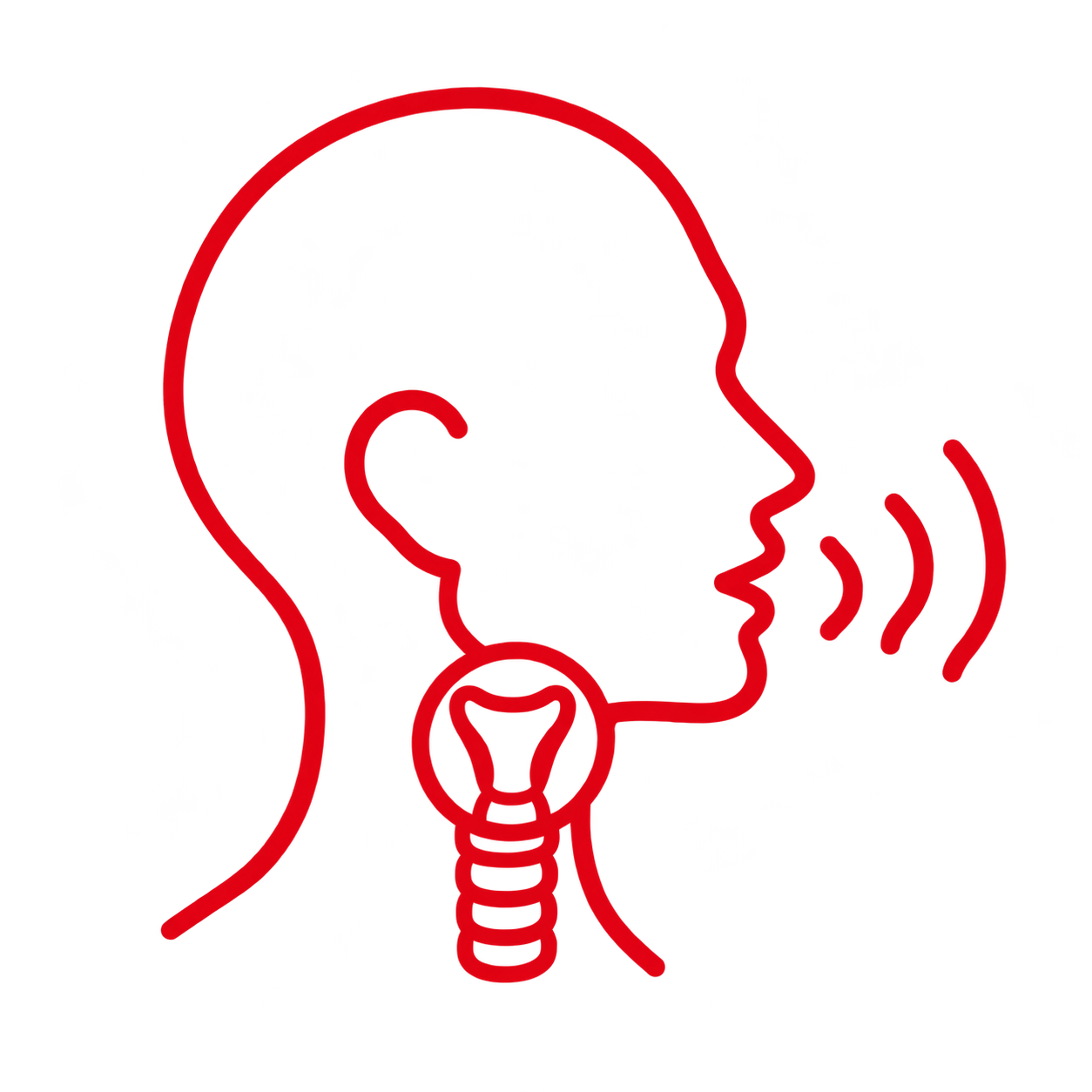
Speech and swallowing may be affected while the tube is in place, because breathing is routed through the opening in the neck. Depending on your condition, special valves, speech and swallowing therapy, and rehabilitation can help. Your surgeon will guide you based on your situation.
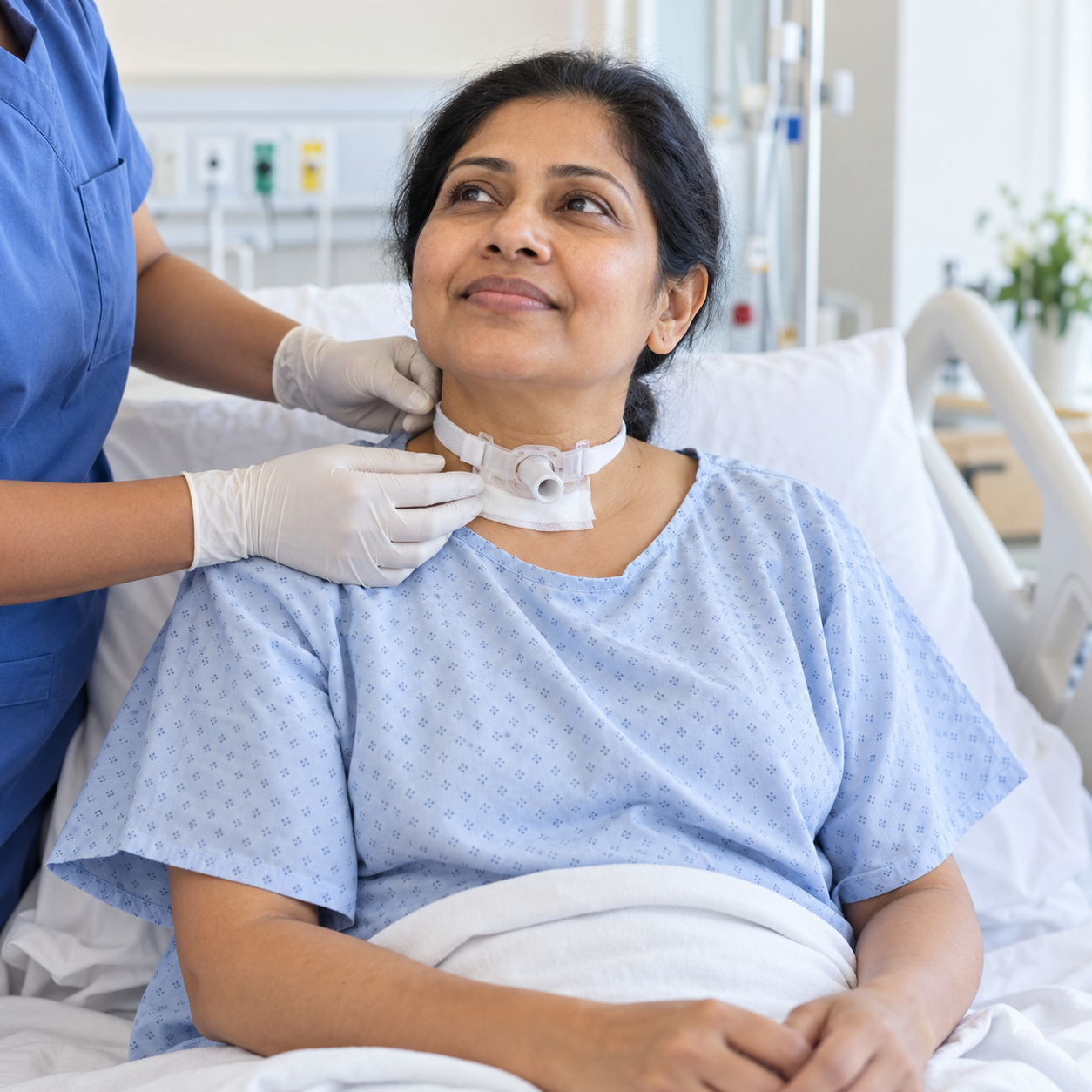
You and your family receive comprehensive guidance on tube care, which generally includes keeping the tube and the skin around it clean, keeping the airway moist, clearing secretions when needed, and following the advised schedule for tube checks and changes.
The procedure is performed under appropriate anaesthesia, so you are comfortable during it. Some soreness or discomfort in the neck afterwards is common and is managed with medication and good post-procedure care.
If you or your family member requires expert evaluation for breathing difficulties, airway blockage, or head and neck cancer-related airway management, timely consultation can help ensure appropriate care. Dr. Gaurav Dhanavat provides advanced tracheostomy care in Thane, combining head and neck surgical expertise with personalised airway management to support safer treatment outcomes.