





Salvage Oral Cancer Surgery
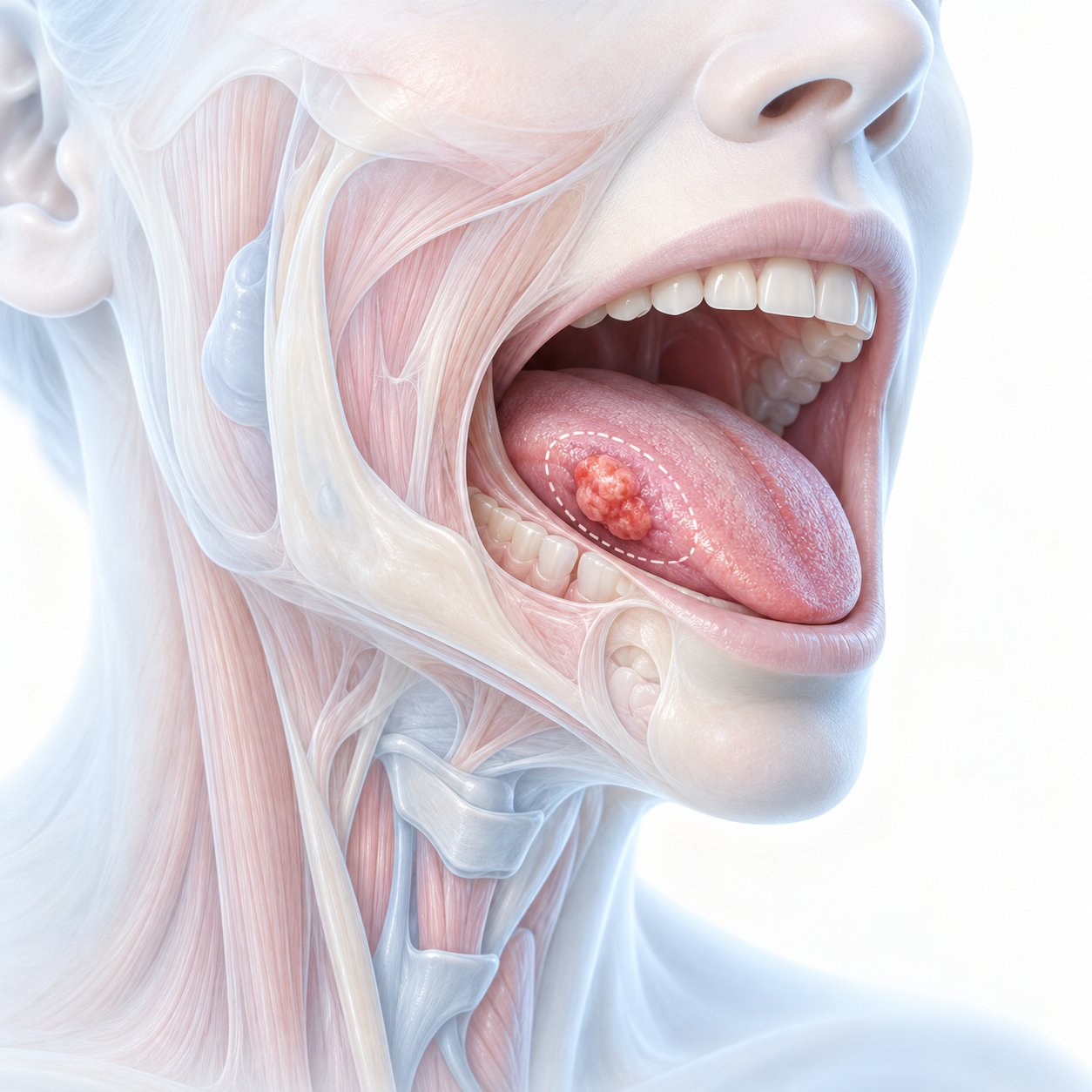
For cancers returning in the mouth, surgery involves removal of recurrent tumours from the tongue, gums, cheek lining, floor of mouth, or palate with reconstruction performed when required to restore oral function.

Head and neck cancers may sometimes return after initial treatment such as surgery, radiation therapy, or chemotherapy. This condition is known as recurrent head and neck cancer and often requires specialised evaluation and advanced treatment planning.
Salvage Head & Neck Cancer Surgery is a complex surgical approach performed to remove cancer that has returned after previous treatment. The aim is to achieve effective cancer control while preserving important functions such as speech, swallowing, breathing, and facial appearance whenever possible.
At Dr. Gaurav Dhanavat's clinic in Thane, advanced Salvage Head & Neck Cancer Surgery is performed by an experienced specialist in Head & Neck Cancer Surgery, Oral & Maxillofacial Surgery, and Microvascular Reconstruction.
Dr. Gaurav Dhanavat provides personalised treatment planning for patients with recurrent or persistent cancers, combining advanced surgical techniques with reconstructive expertise to improve functional outcomes and quality of life.
He is DHA Licensed, an MDS Oral & Maxillofacial Surgeon, and an FHNO Fellow in Oral Cancer Surgery, offering specialised cancer care aligned with international standards.
Salvage Head & Neck Cancer Surgery is a specialised procedure performed to treat recurrent or persistent cancer in the head and neck region after previous treatment.
It is called “salvage” surgery because it aims to provide another opportunity for cancer control when the disease has returned or has not been completely eliminated by earlier treatments.
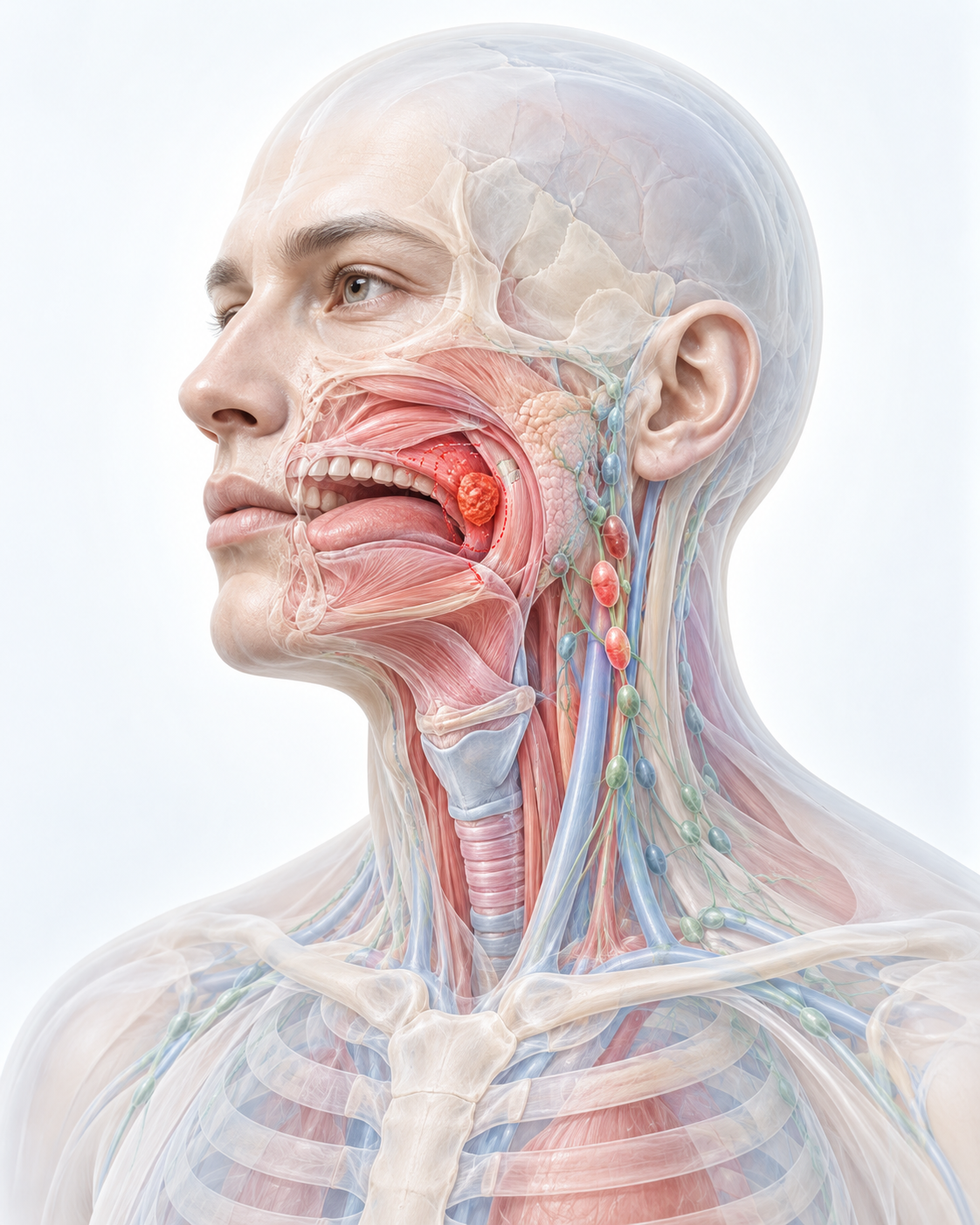
Salvage surgery may be considered when:
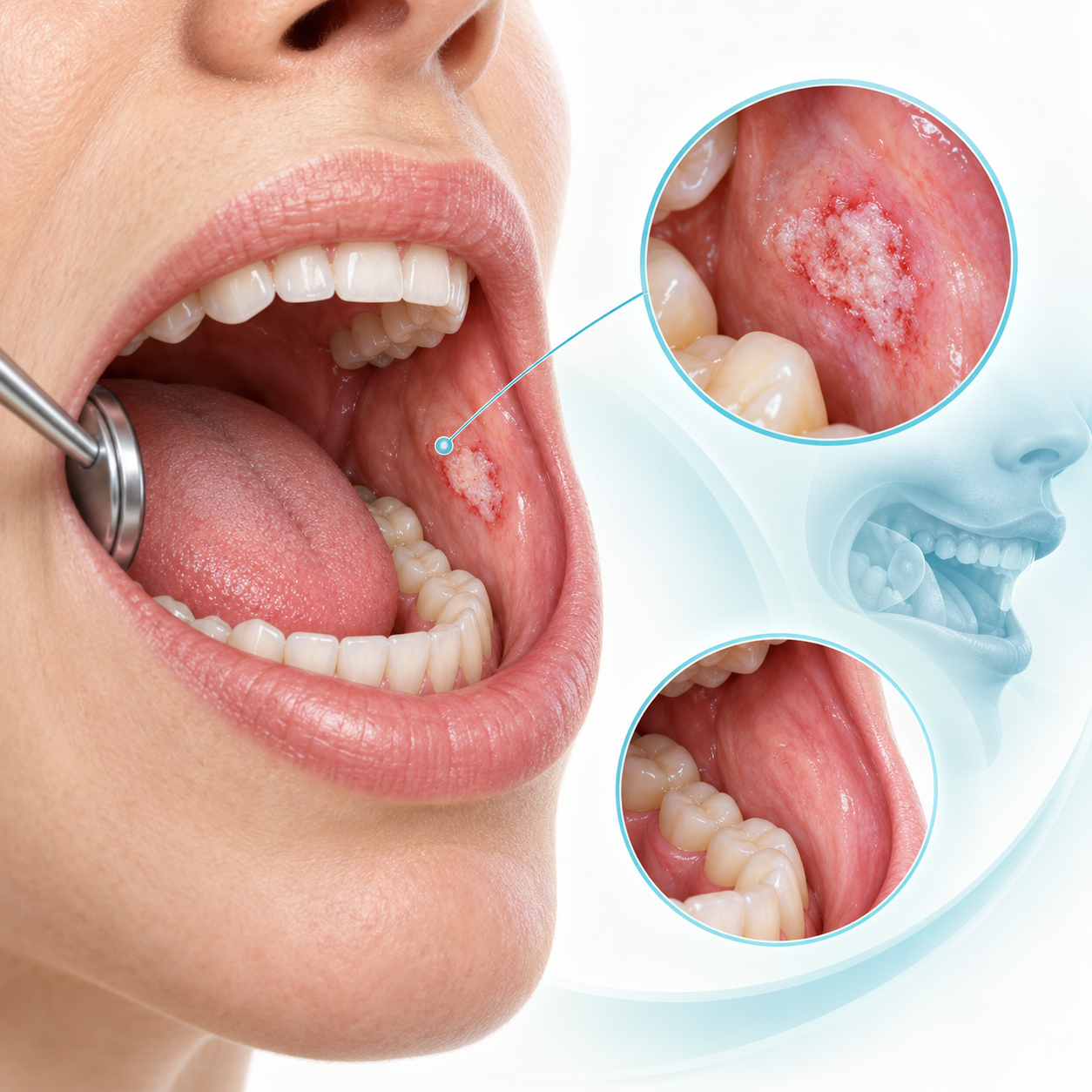
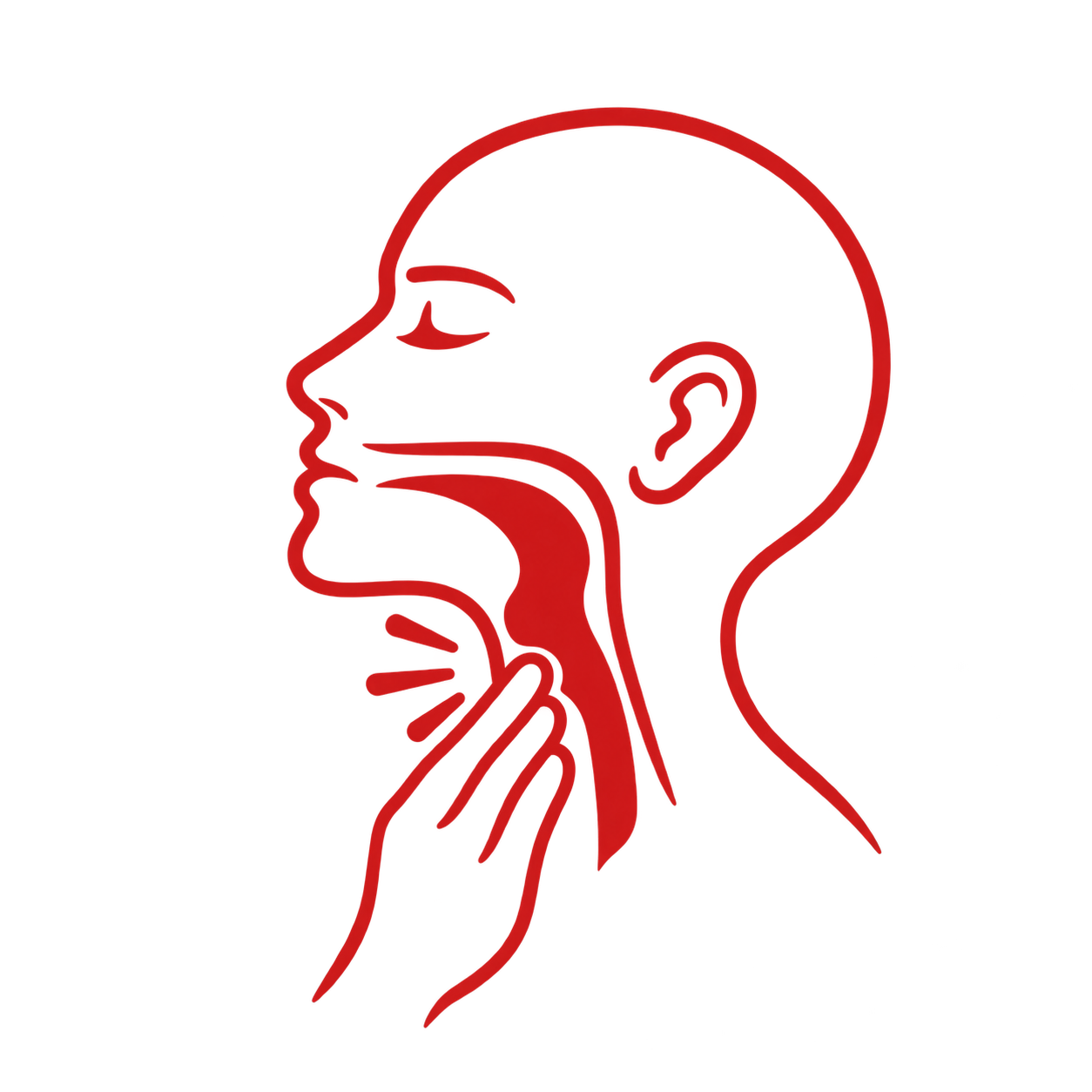
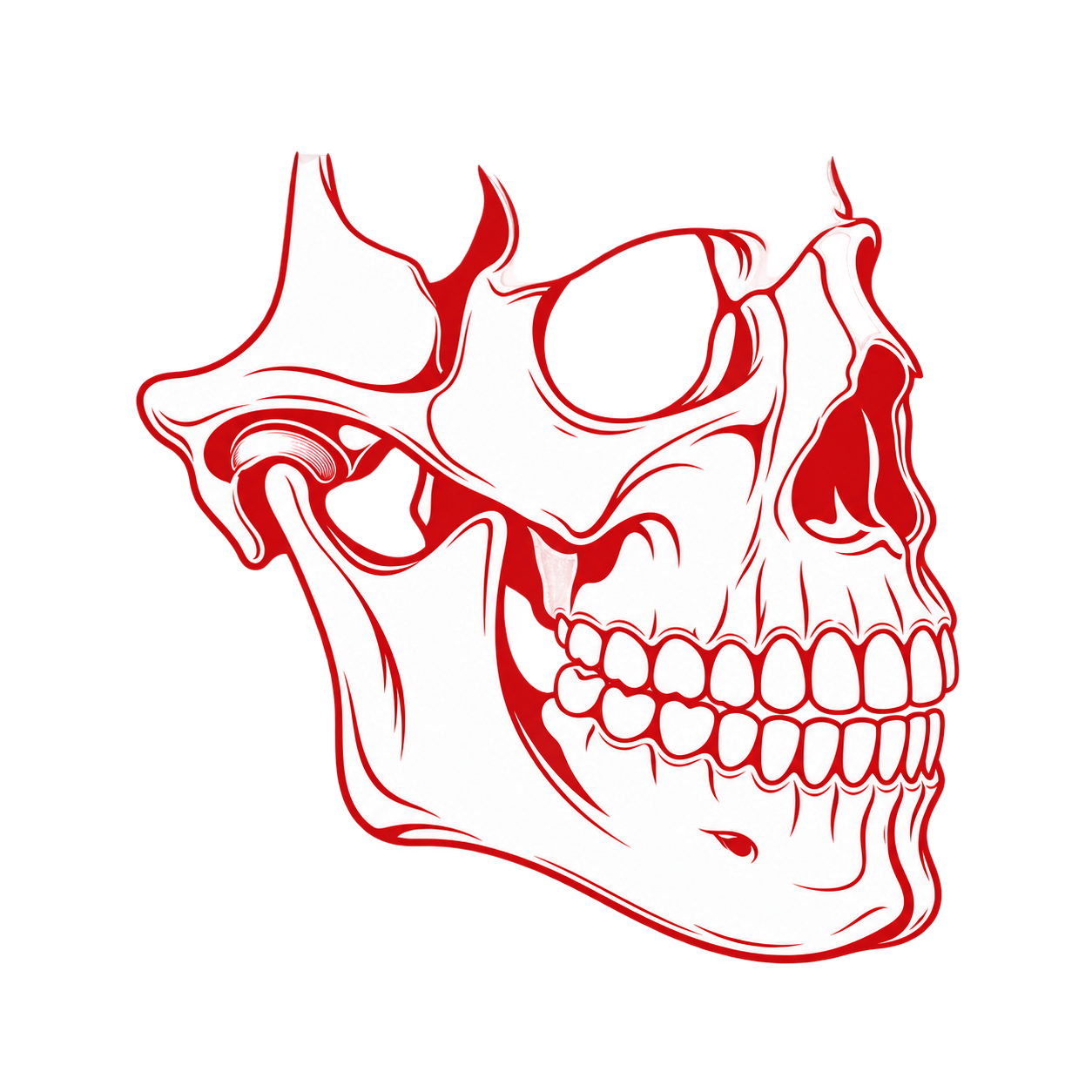
For cancers returning in the mouth, surgery involves removal of recurrent tumours from the tongue, gums, cheek lining, floor of mouth, or palate with reconstruction performed when required to restore oral function.
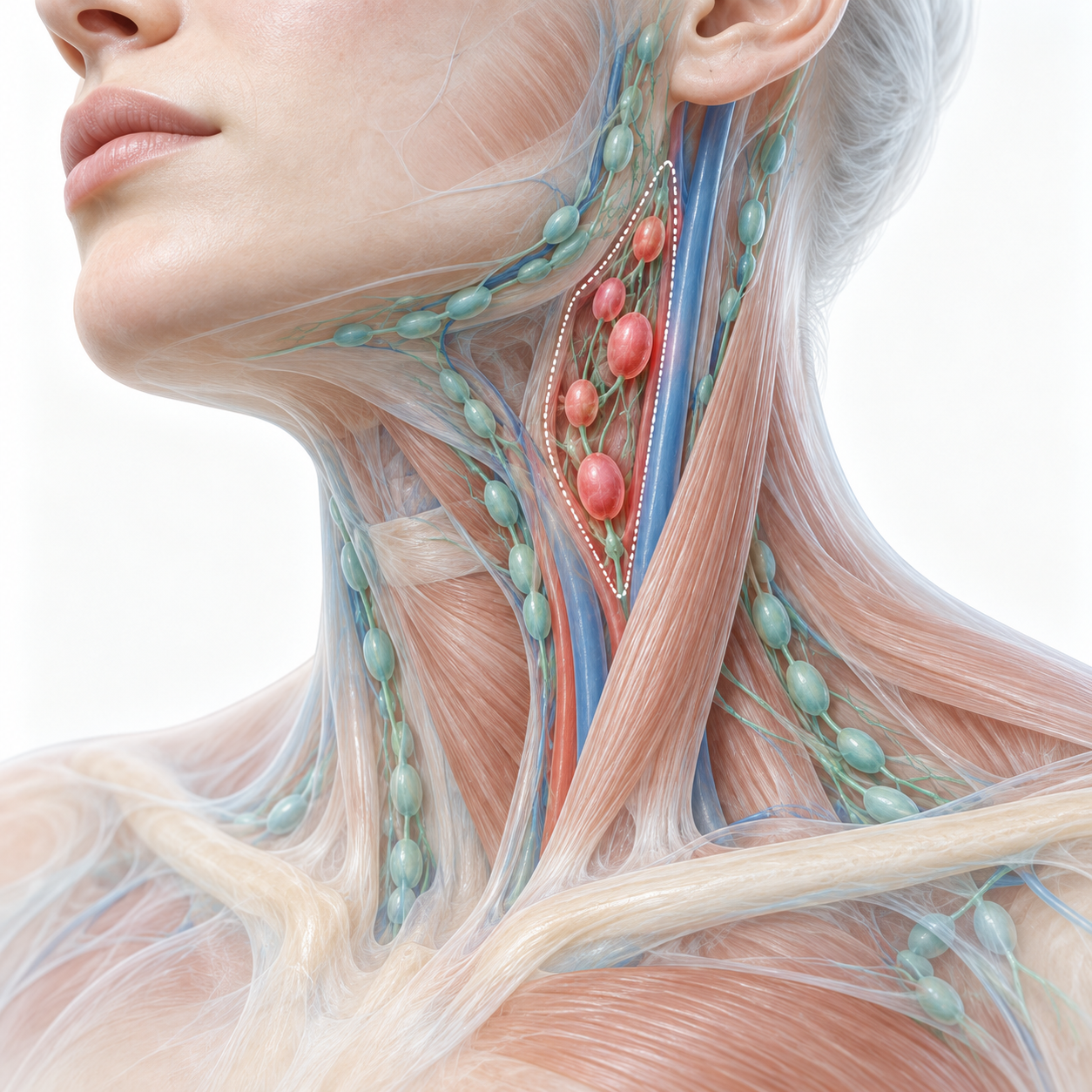
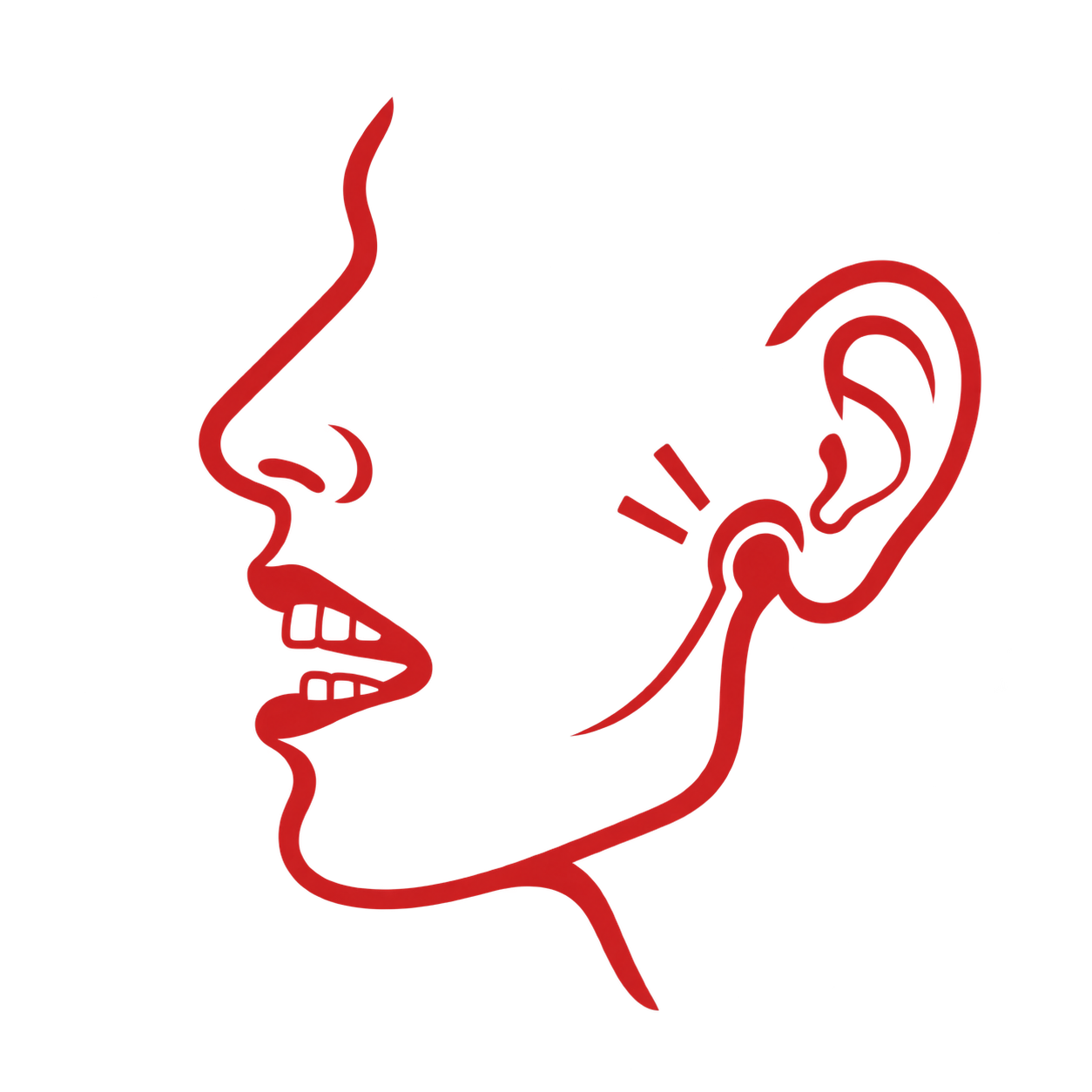
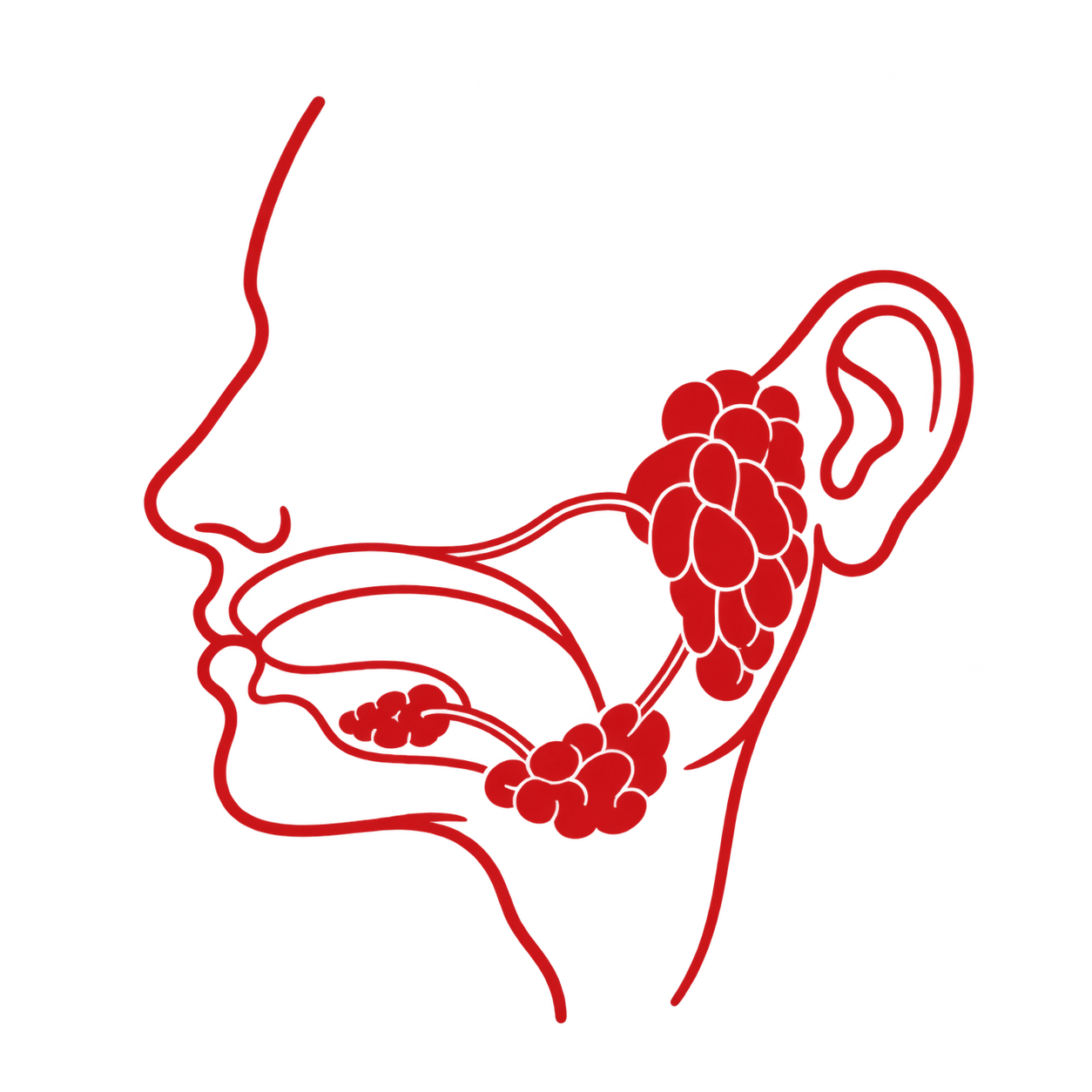
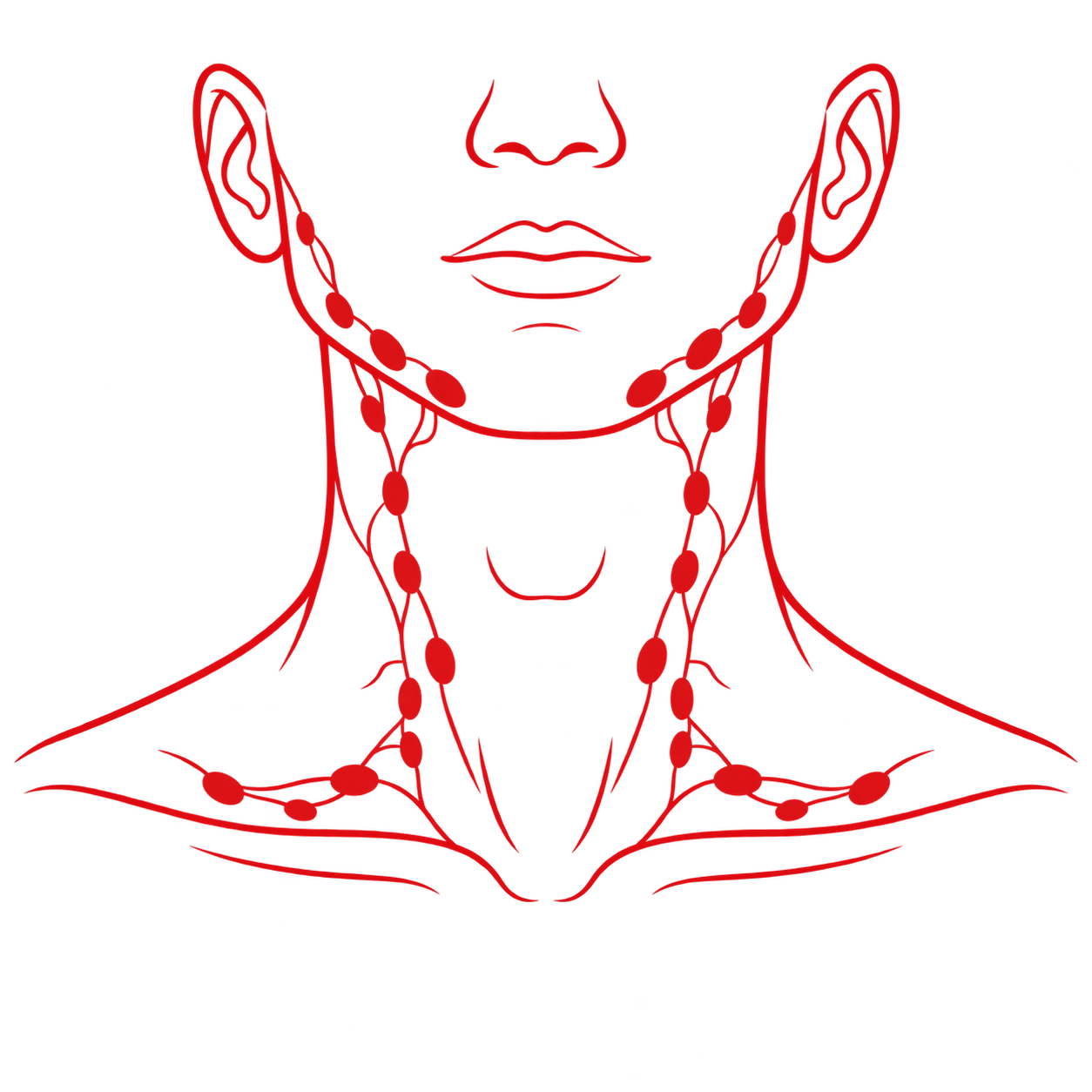
If cancer returns in the lymph nodes of the neck, salvage neck dissection is performed to remove affected lymph nodes and surrounding cancerous tissue with careful surgical planning.
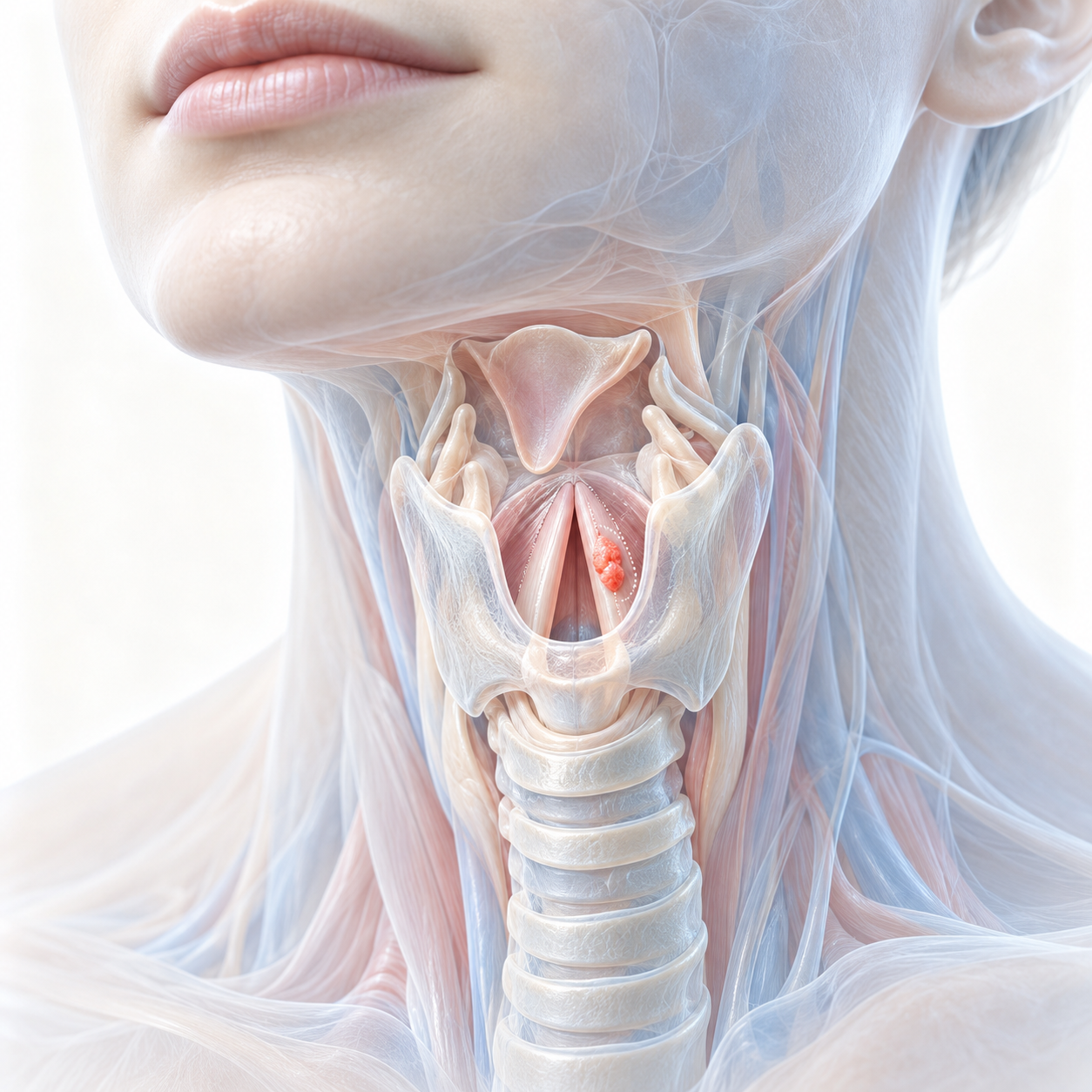
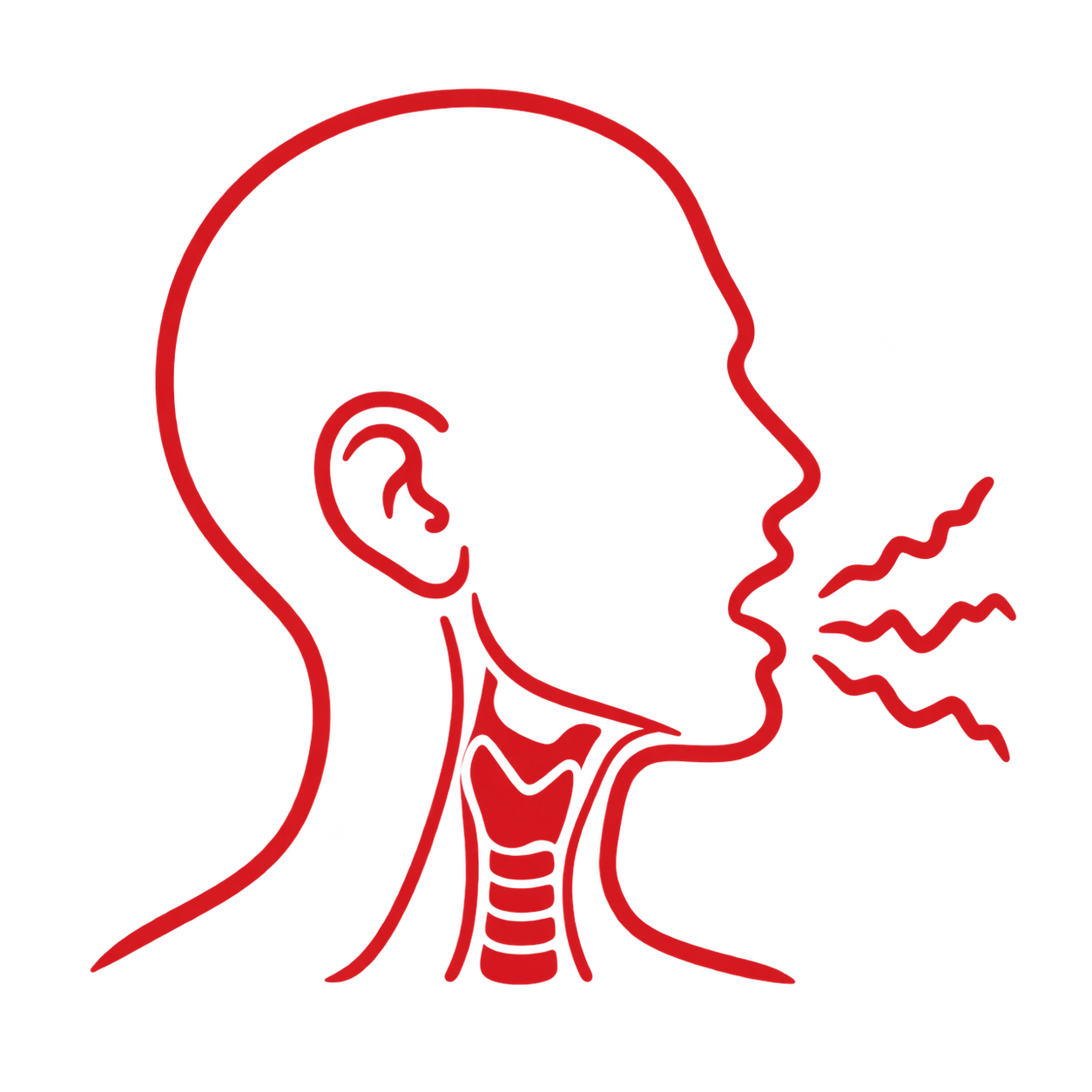
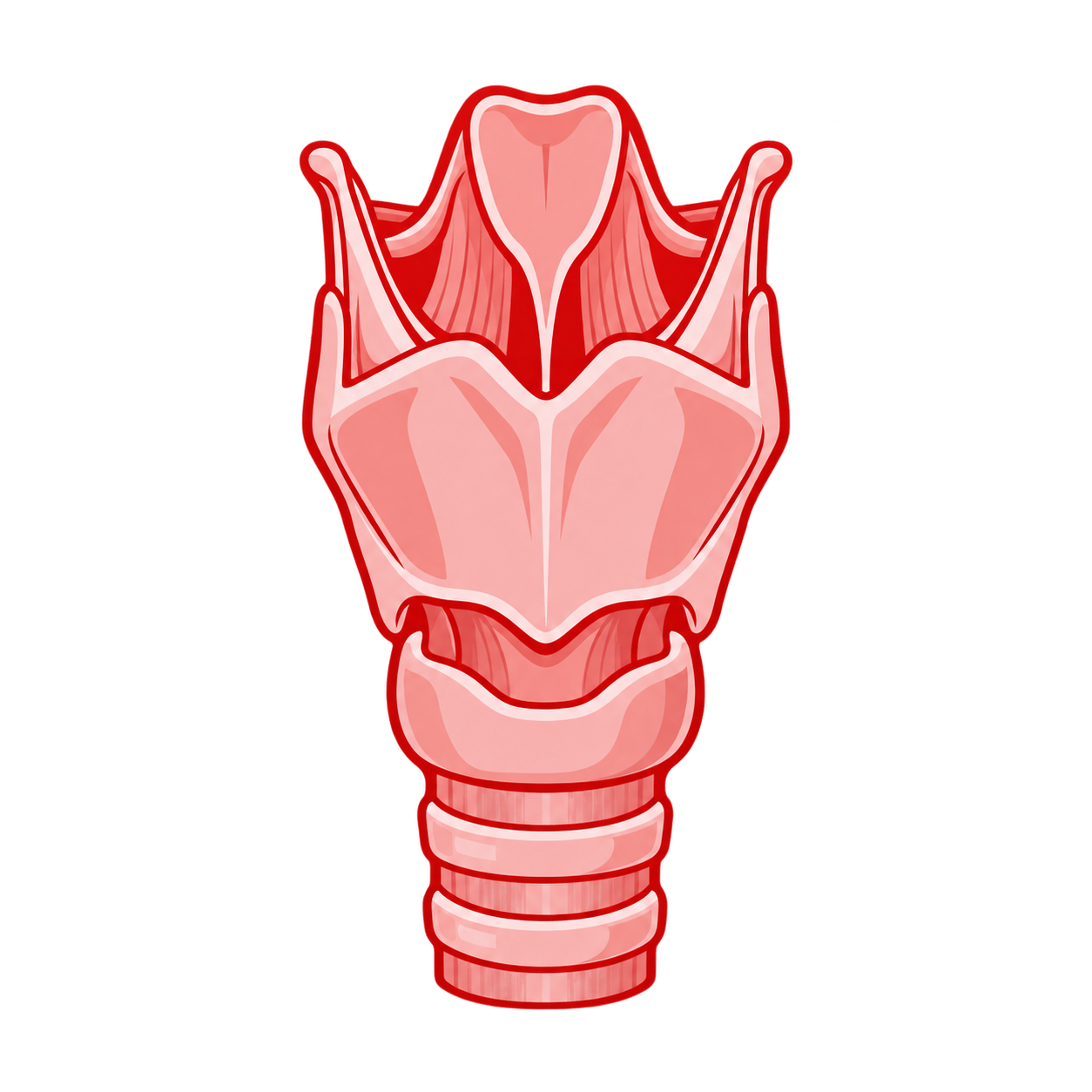
Recurrent cancers affecting the voice box require specialised surgical procedures to remove disease while carefully evaluating voice and swallowing function preservation options.
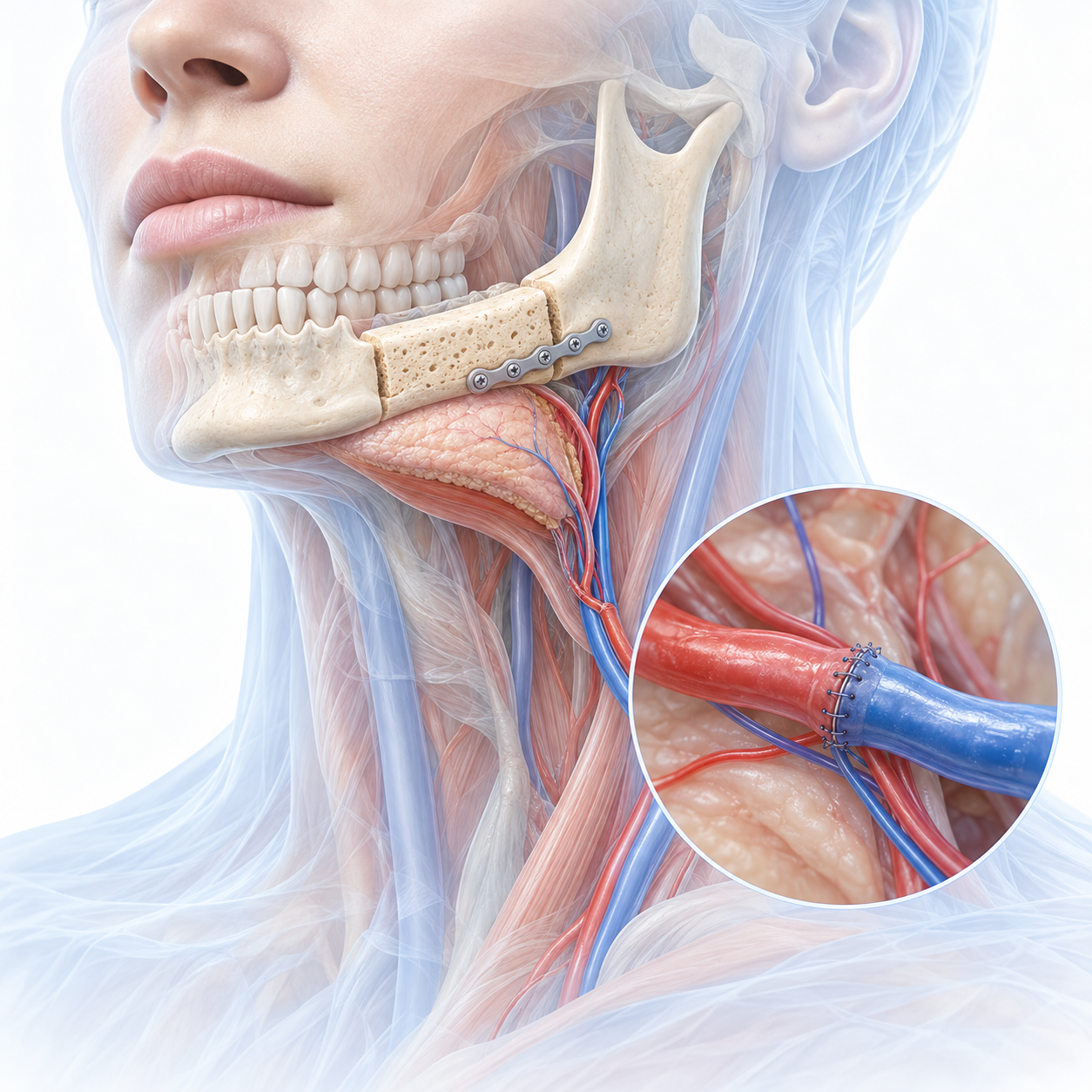
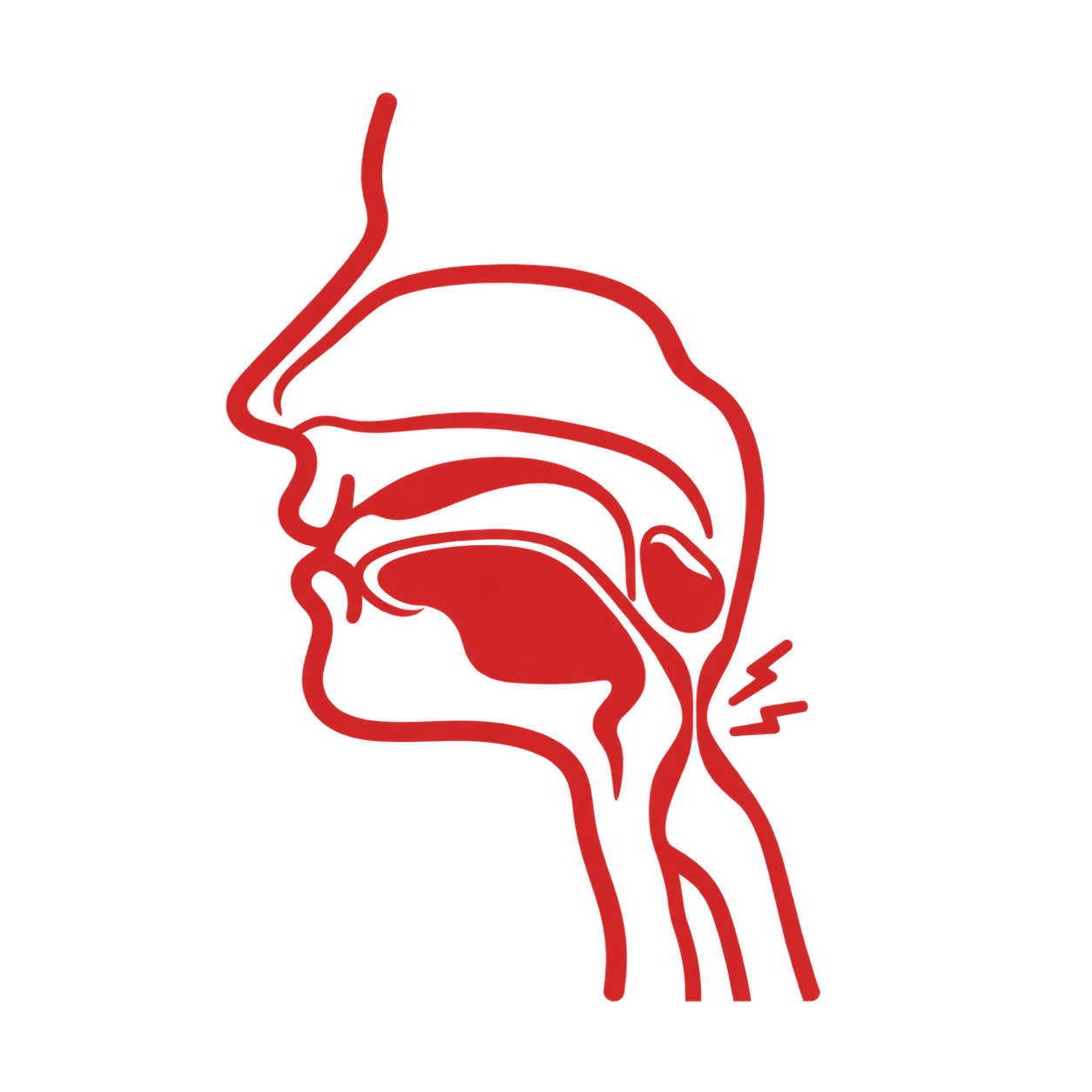
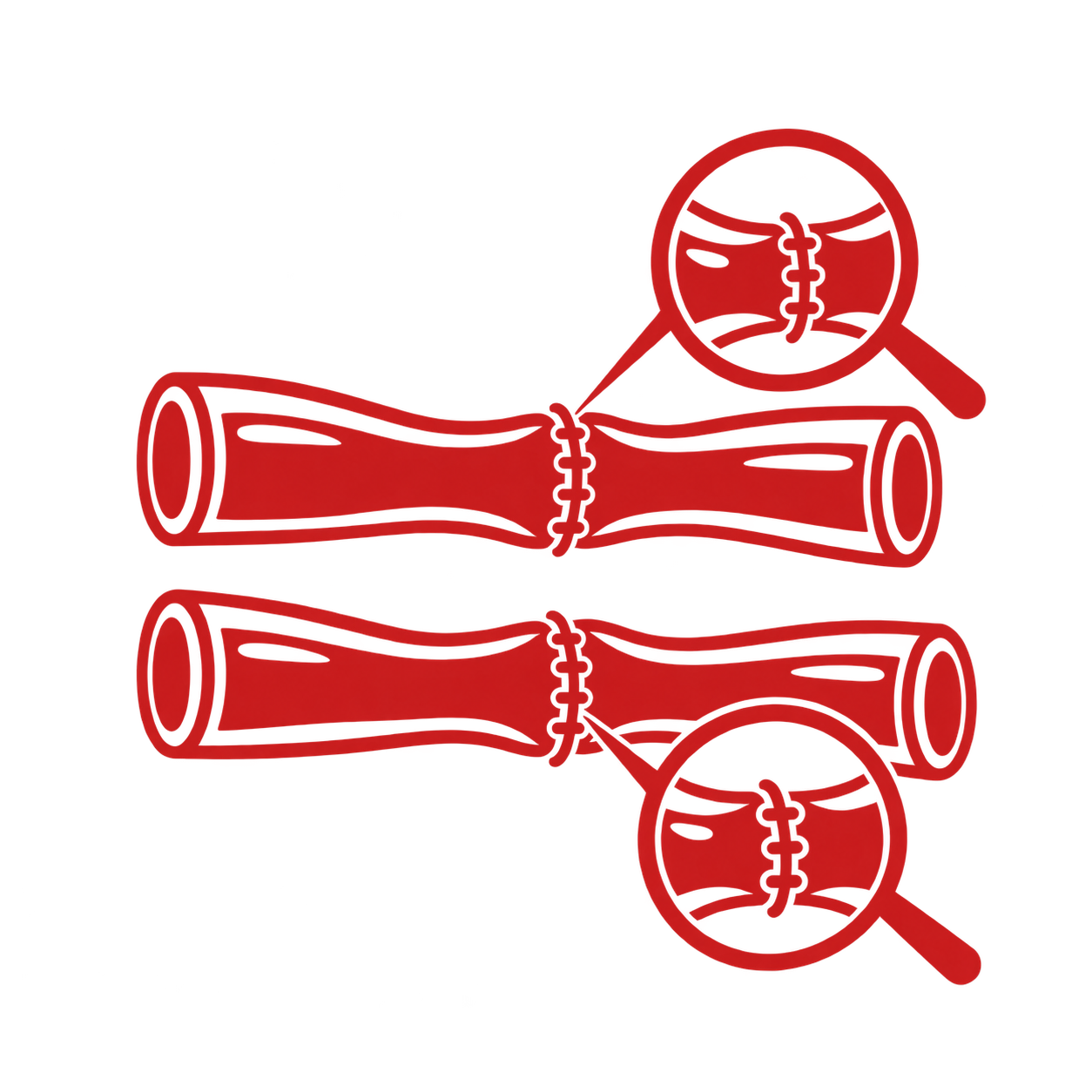
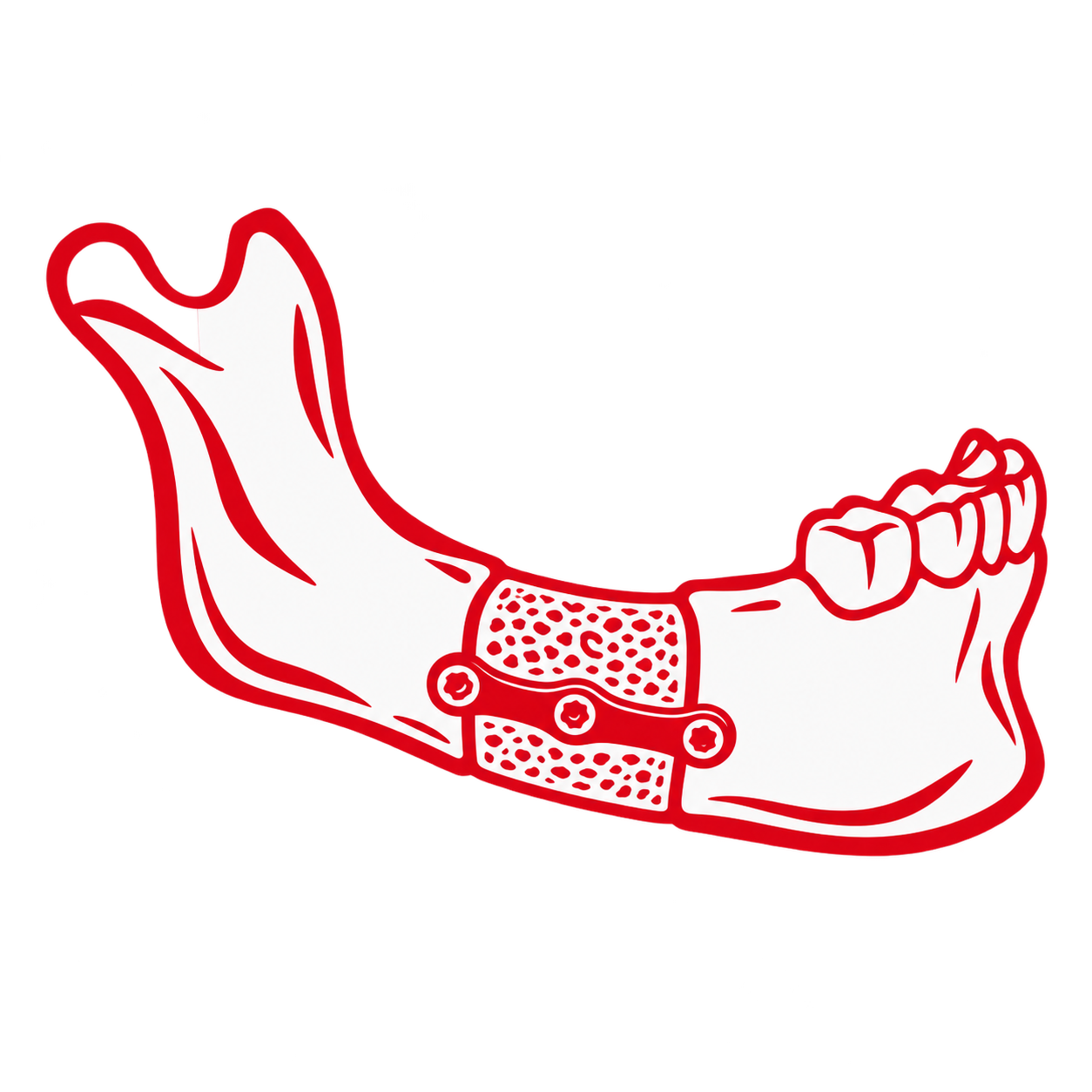
Complex recurrent cancers requiring extensive tissue removal utilise microvascular flap techniques to rebuild speech, swallowing, facial structure, oral function, and appearance.
Patients who may benefit from salvage surgery include those with:
Salvage surgery can be more complex because previous treatments may affect tissues. Factors that require specialised planning include:
Dr. Gaurav Dhanavat follows a comprehensive approach for patients requiring salvage head and neck cancer treatment:
Comprehensive assessment including clinical examination, advanced imaging, previous treatment review, and current cancer status evaluation.
Every recurrent cancer case requires a tailored plan based on previous therapies, tumour location, disease extent, and functional requirements.
Advanced surgical methods are used to remove recurrent disease while preserving healthy surrounding structures wherever possible.
When major tissue removal is required, reconstructive procedures help restore appearance and essential daily functions.
Focused expertise in managing complex head and neck cancer cases, including recurrent and persistent cancers.
Advanced surgical planning and extensive experience in operating on previously treated cancer patients.
Reconstructive expertise to manage complex defects following extensive recurrent cancer removal.
Focused fellowship training supporting advanced management of oral and head & neck oncology cases.
Detailed understanding of facial structures, jaw anatomy, and complex functional restoration.
Follows globally aligned, international standard approaches for cancer treatment and reconstruction.
Salvage head and neck cancer surgery is a procedure performed to remove cancer that has returned or persisted after previous treatments such as surgery, radiation therapy, or chemotherapy.
In many cases, yes. Surgery may be an option when the recurrent tumour can be removed safely and your overall health allows it. Whether it is suitable depends on the tumour location, how far the disease has spread, and the treatments you have already received. This is decided after a detailed assessment.
It is often more complex because earlier surgery or radiation can cause scar tissue, fibrosis, reduced healing capacity, and changes in normal anatomy. This is why careful planning and an experienced head and neck cancer surgeon are important.
Reconstruction is often needed when a large amount of tissue has to be removed, or when previous radiation has affected healing. Microvascular flap techniques bring healthy tissue with its own blood supply to rebuild the area. Whether reconstruction is needed is decided during treatment planning.
Evaluation includes a clinical examination, advanced imaging, and a review of previous treatment records such as surgery, radiation, and chemotherapy. The current status of the cancer and your overall health are also assessed to decide whether surgery can provide meaningful cancer control.
If head and neck cancer has returned after previous treatment, timely evaluation by an experienced specialist is essential. Dr. Gaurav Dhanavat provides advanced salvage surgery with expertise in cancer removal and microvascular reconstruction.