
Soft Tissue Reconstruction
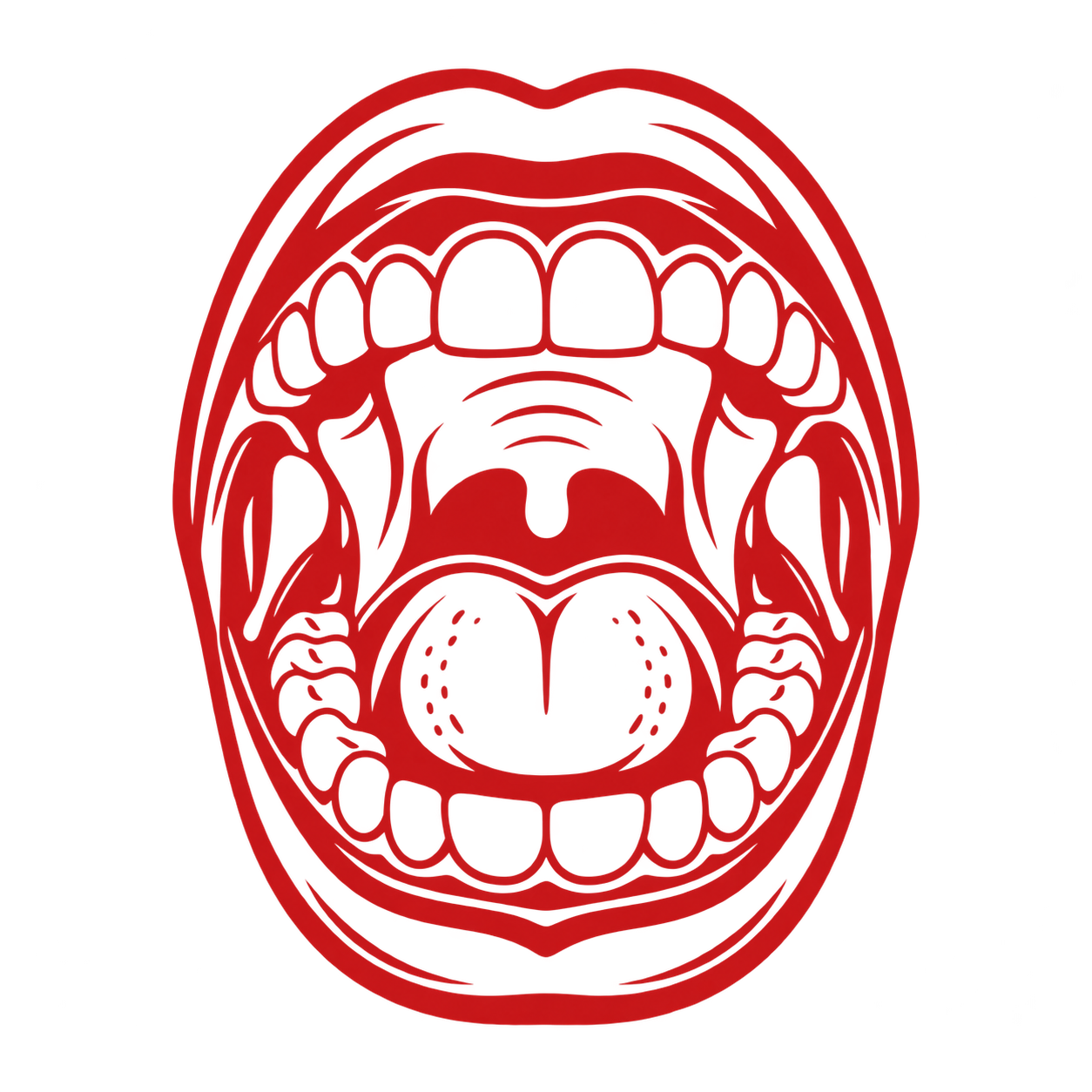
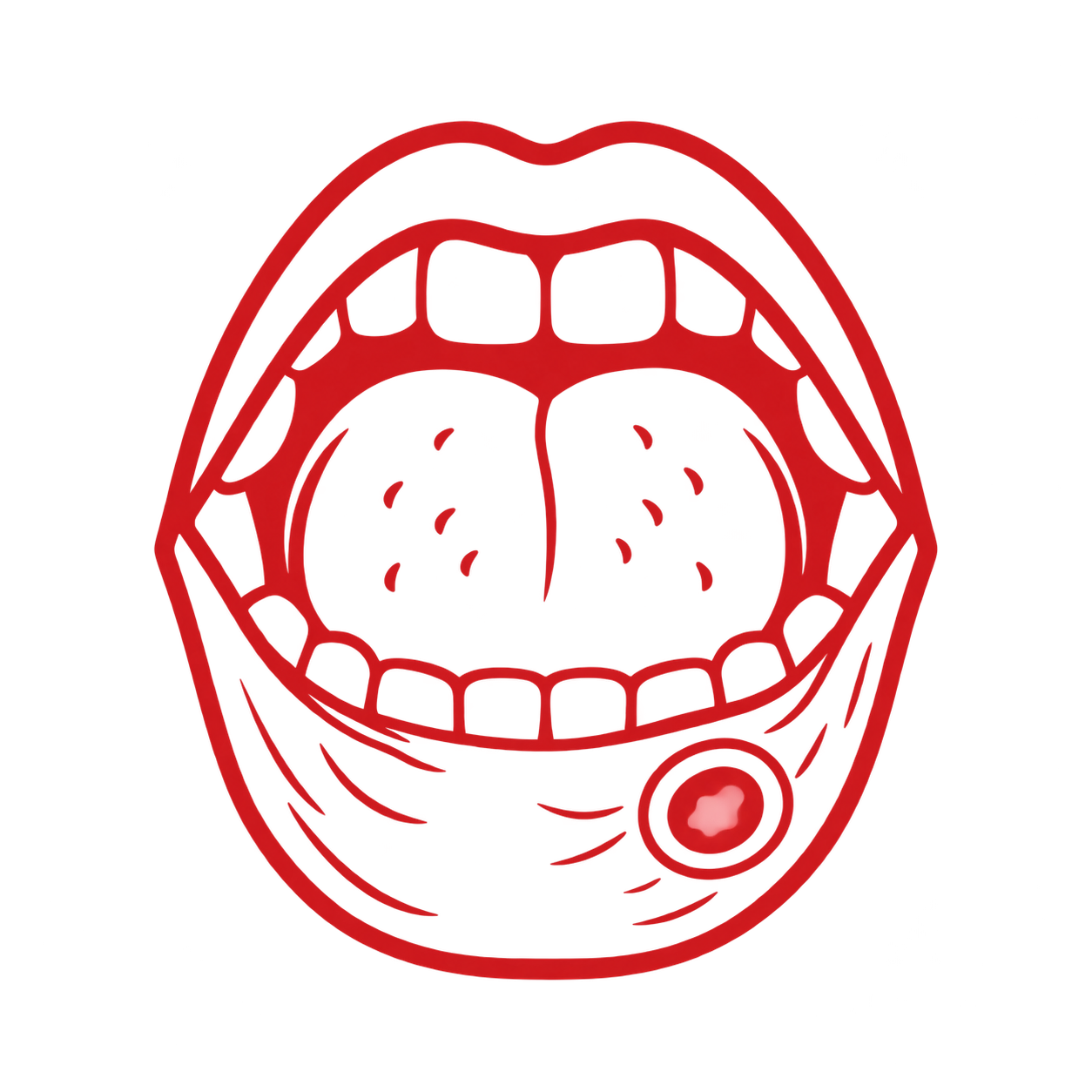
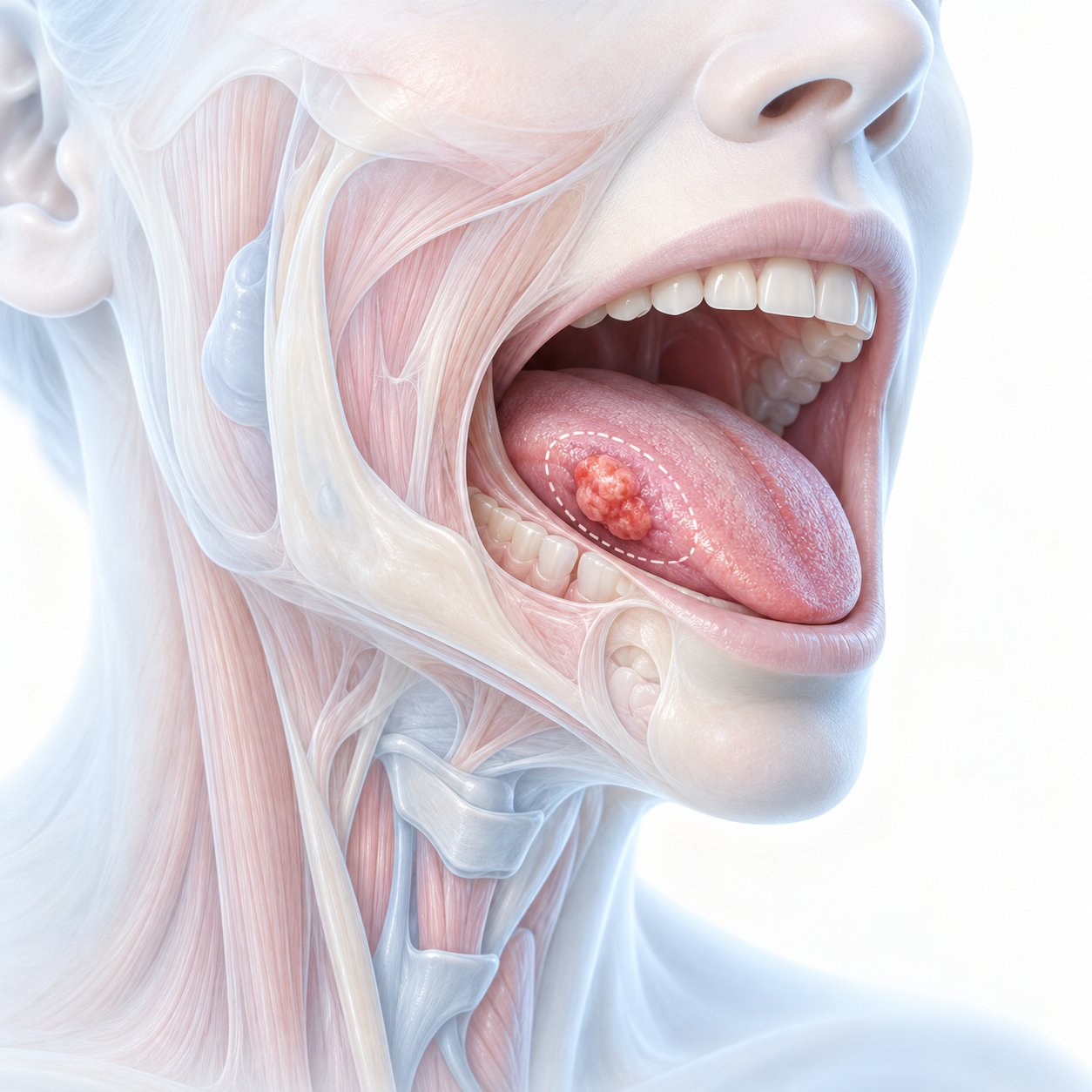
Rebuilding areas where skin, muscle, or soft tissues have been removed during cancer surgery (such as tongue, cheek lining, floor of mouth, or facial soft tissues) to restore movement, function, and appearance.

Cancer surgery plays a crucial role in removing tumours and controlling disease progression. However, removal of cancerous tissues, especially in complex areas like the head and neck region, may result in defects that affect appearance, speech, swallowing, chewing, and overall quality of life.
Oncology Defect Reconstruction focuses on restoring these defects after cancer removal using advanced reconstructive surgical techniques. The goal is to rebuild affected tissues, restore important functions, and help patients regain confidence after cancer treatment.
At Dr. Gaurav Dhanavat's clinic in Thane, advanced oncology defect reconstruction is performed by a specialist with expertise in Head & Neck Cancer Surgery, Oral & Maxillofacial Surgery, and Microvascular Reconstruction.
Dr. Gaurav Dhanavat combines cancer surgery expertise with reconstructive techniques to provide comprehensive care for patients requiring functional and aesthetic restoration after tumour removal. He is DHA Licensed, an MDS Oral & Maxillofacial Surgeon, and an FHNO Fellow in Oral Cancer Surgery, offering internationally aligned surgical care.
Oncology Defect Reconstruction is a specialised surgical procedure performed after cancer removal to repair and rebuild areas affected by tumour excision.
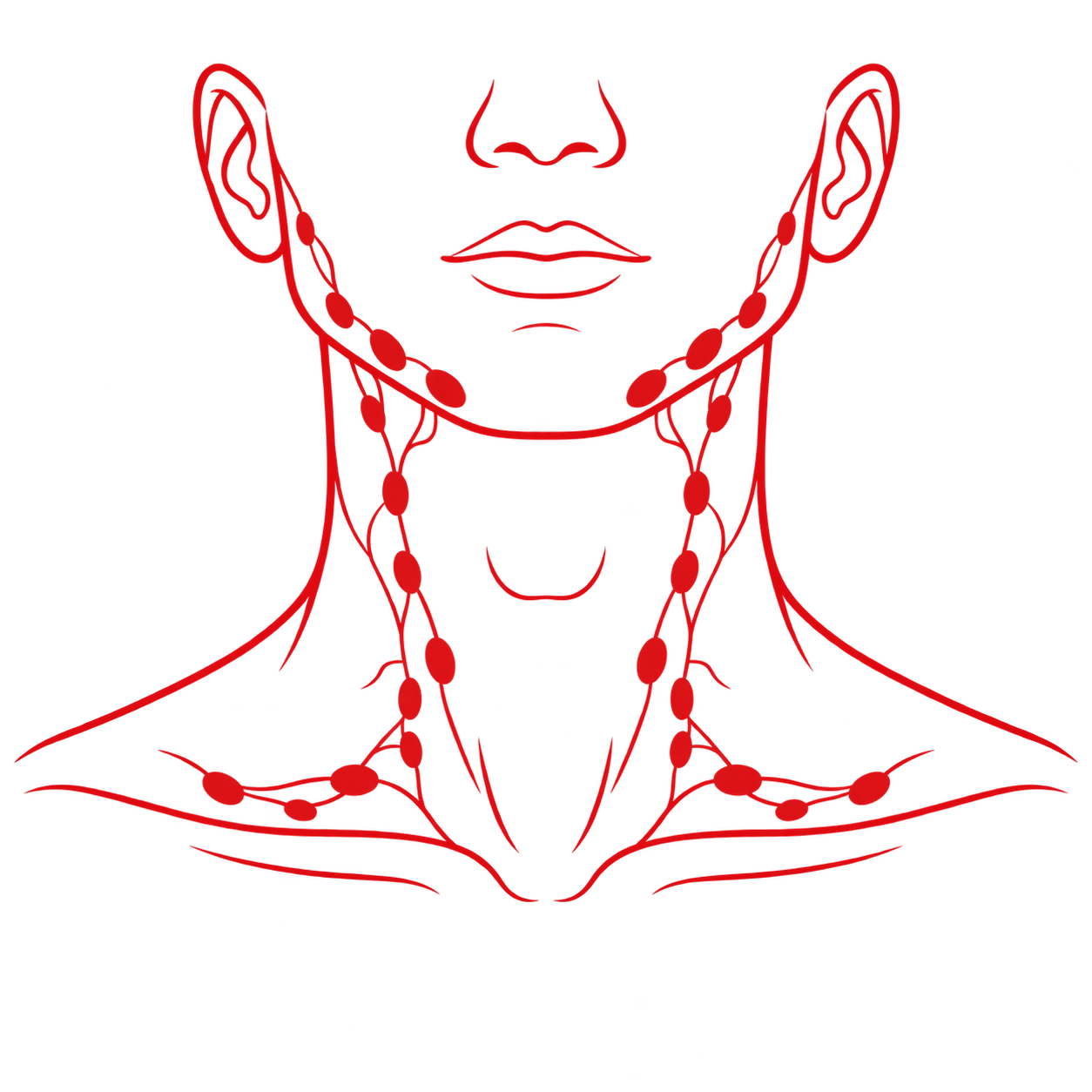
During cancer surgery, removing the tumour completely is the priority. However, large tumours may require removal of surrounding tissues, creating defects in areas such as:
Cancer removal can sometimes create complex defects that affect essential functions and appearance. Oncology defect reconstruction may be required to:
Rebuilding areas where skin, muscle, or soft tissues have been removed during cancer surgery (such as tongue, cheek lining, floor of mouth, or facial soft tissues) to restore movement, function, and appearance.
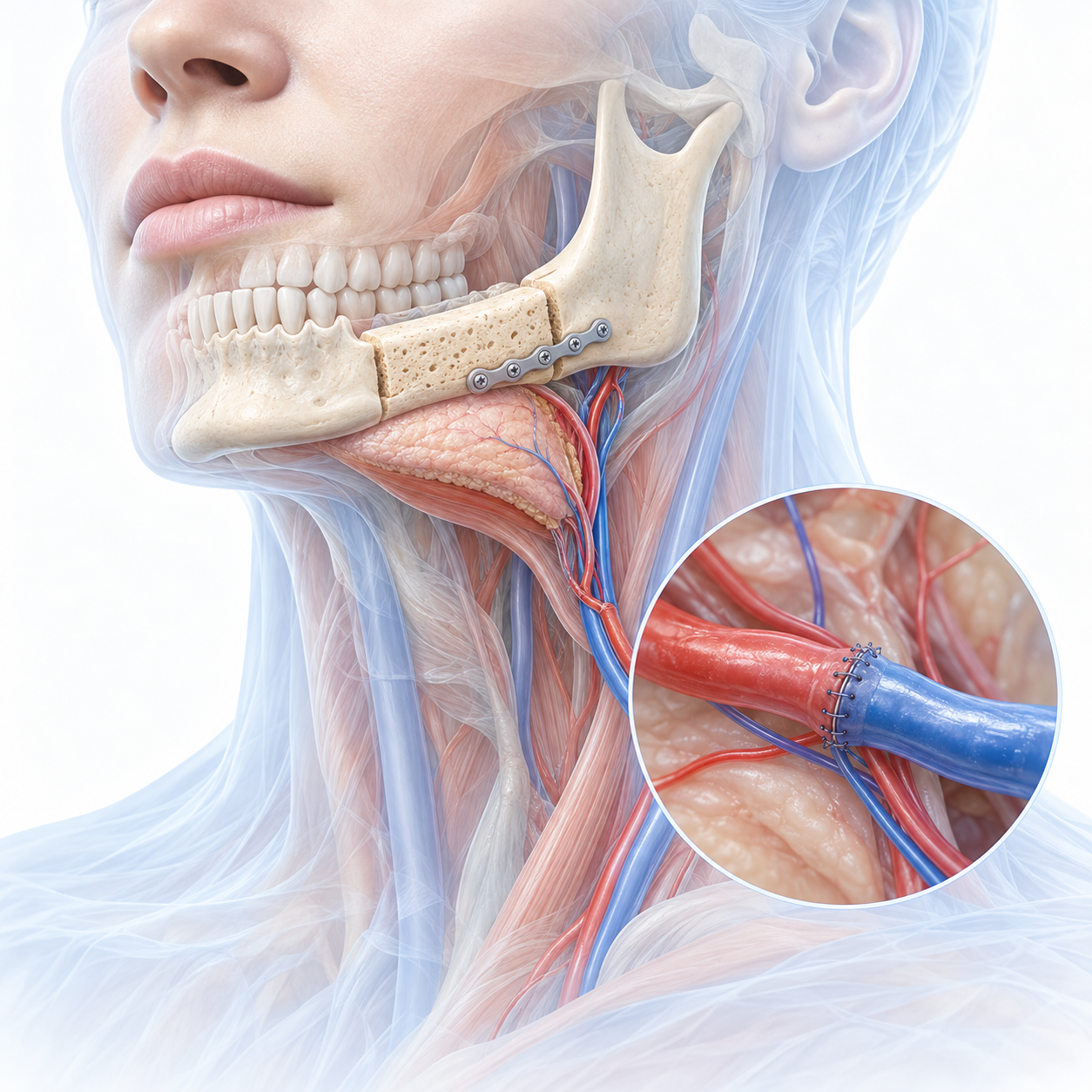
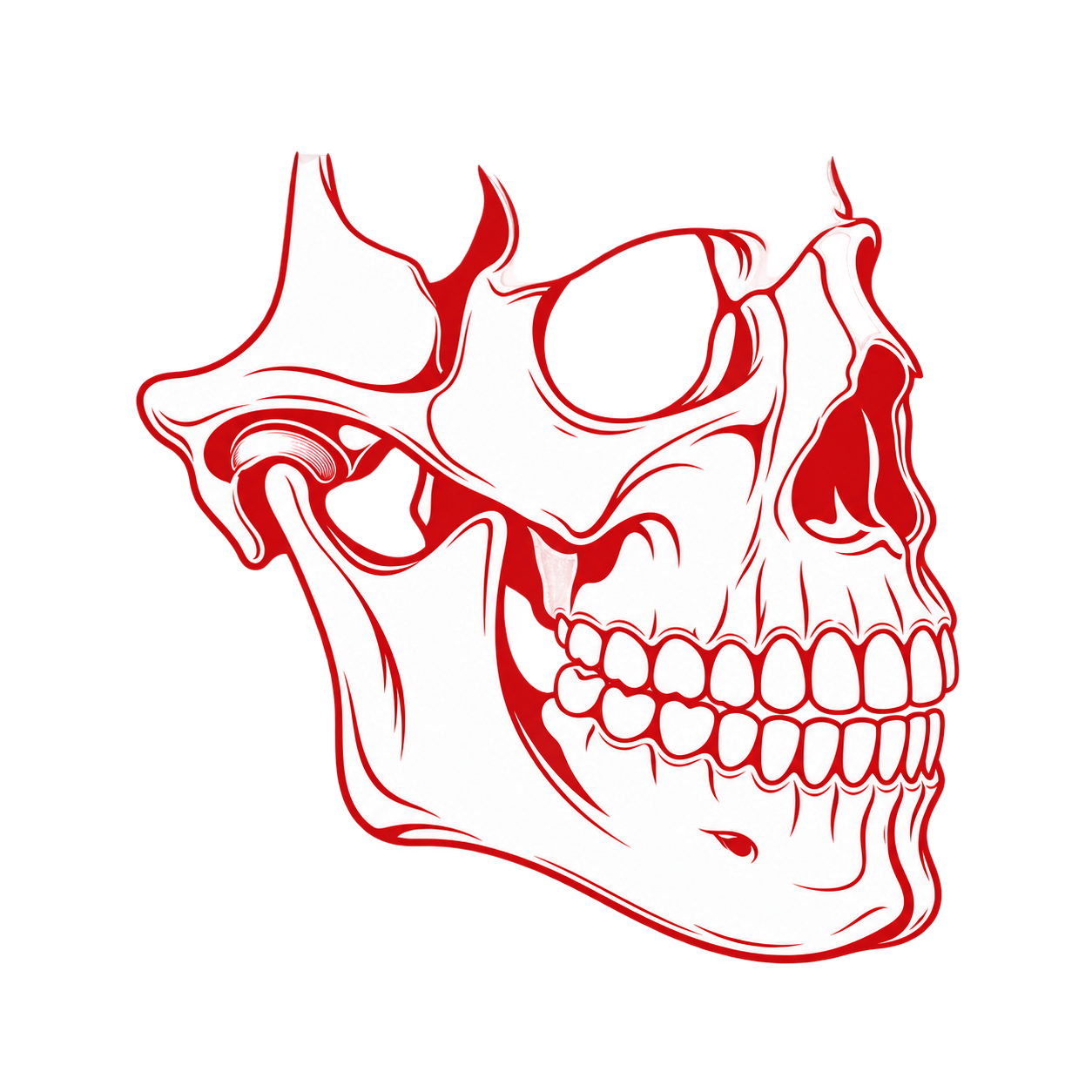
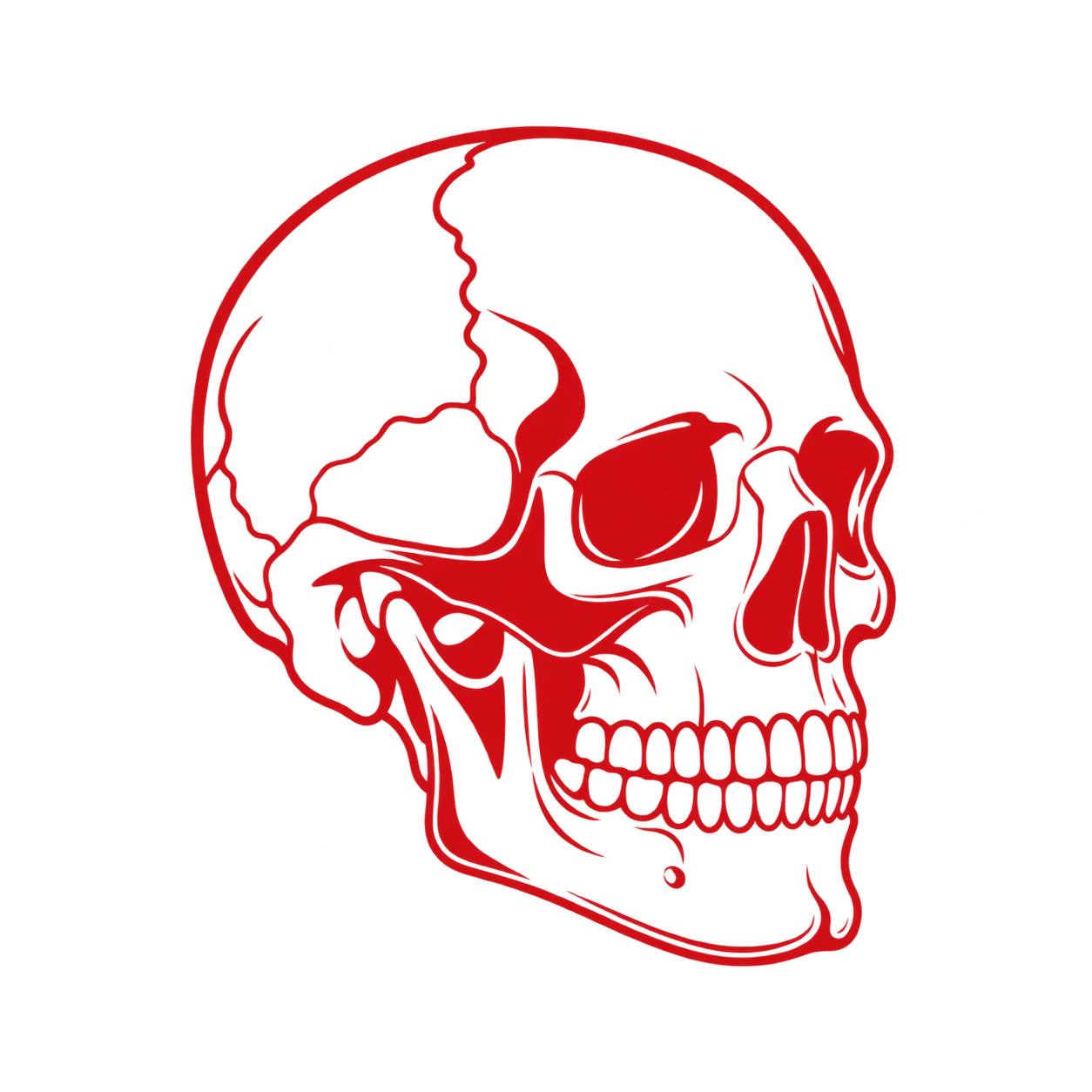
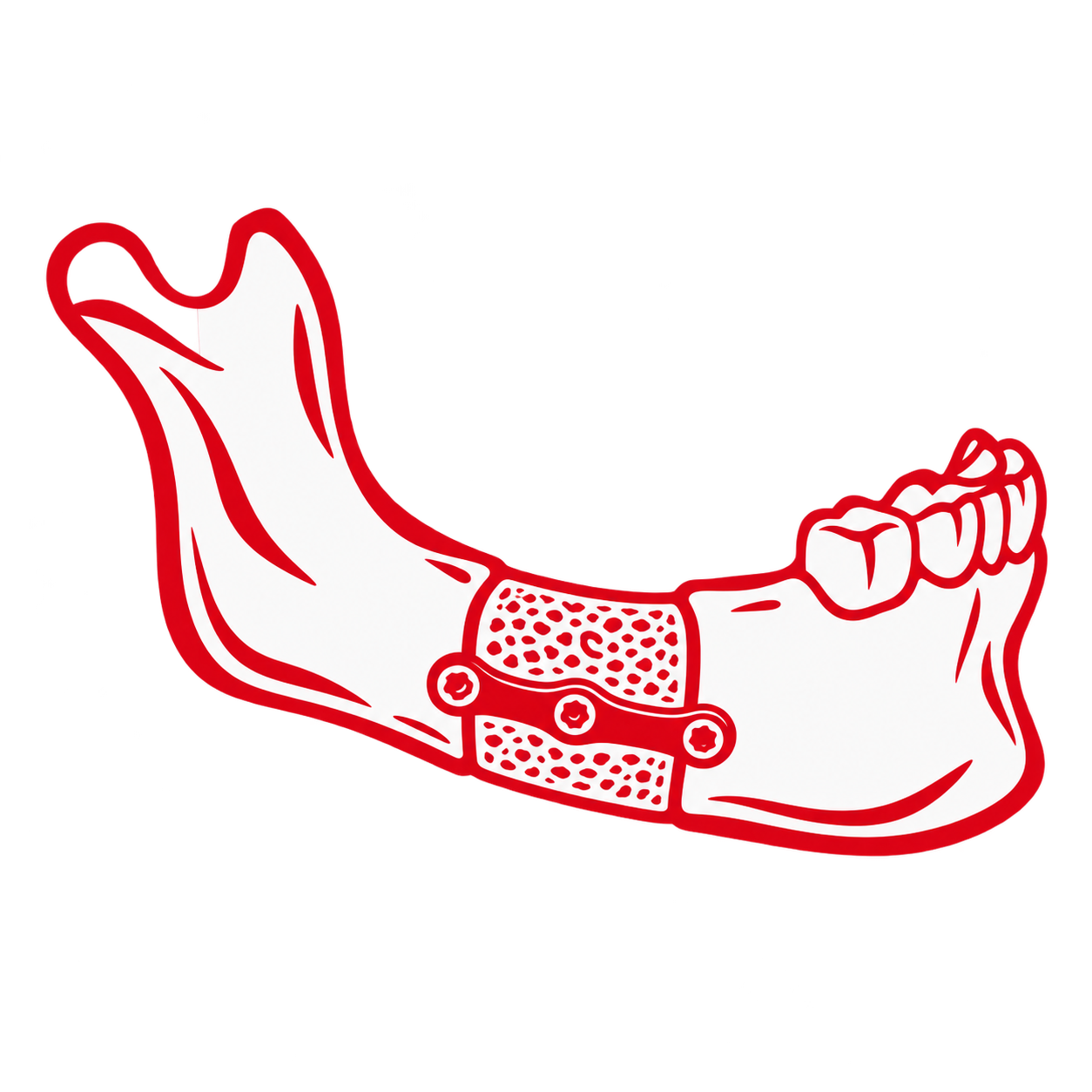
When oral cancers affect the upper or lower jaw, removal of affected bone may be required. Reconstruction restores facial structure, bite alignment, chewing ability, and oral function using bone and tissue transfer techniques.
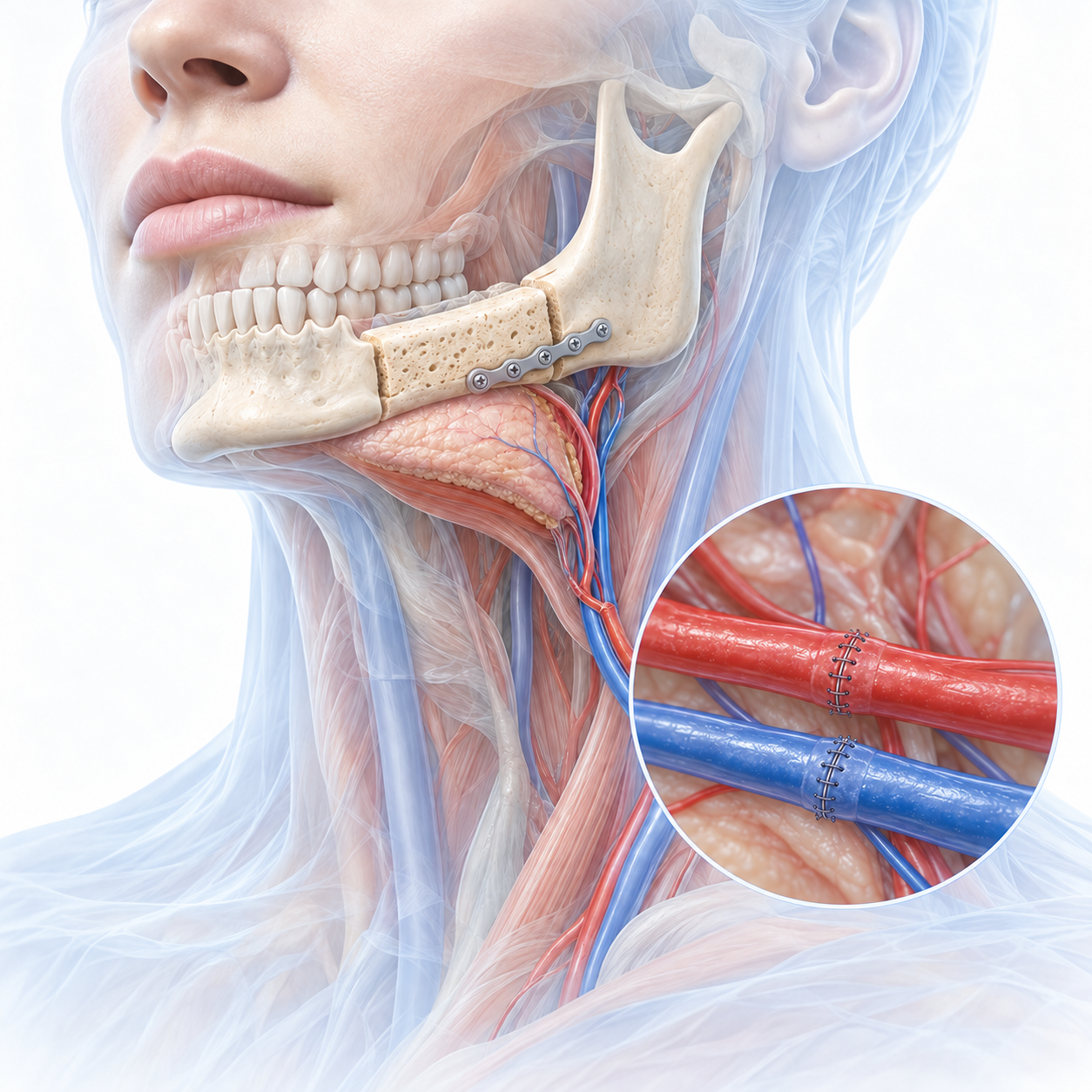
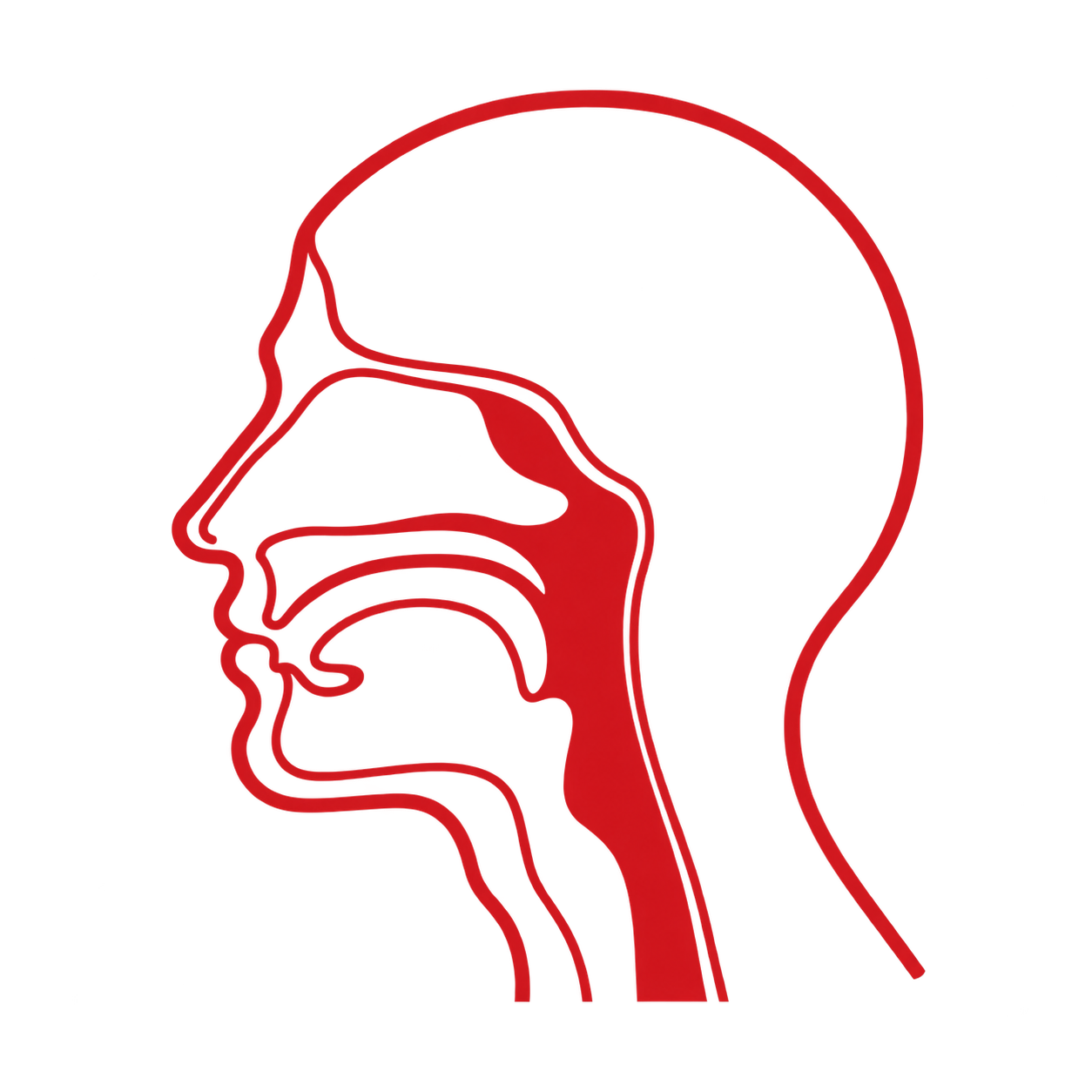
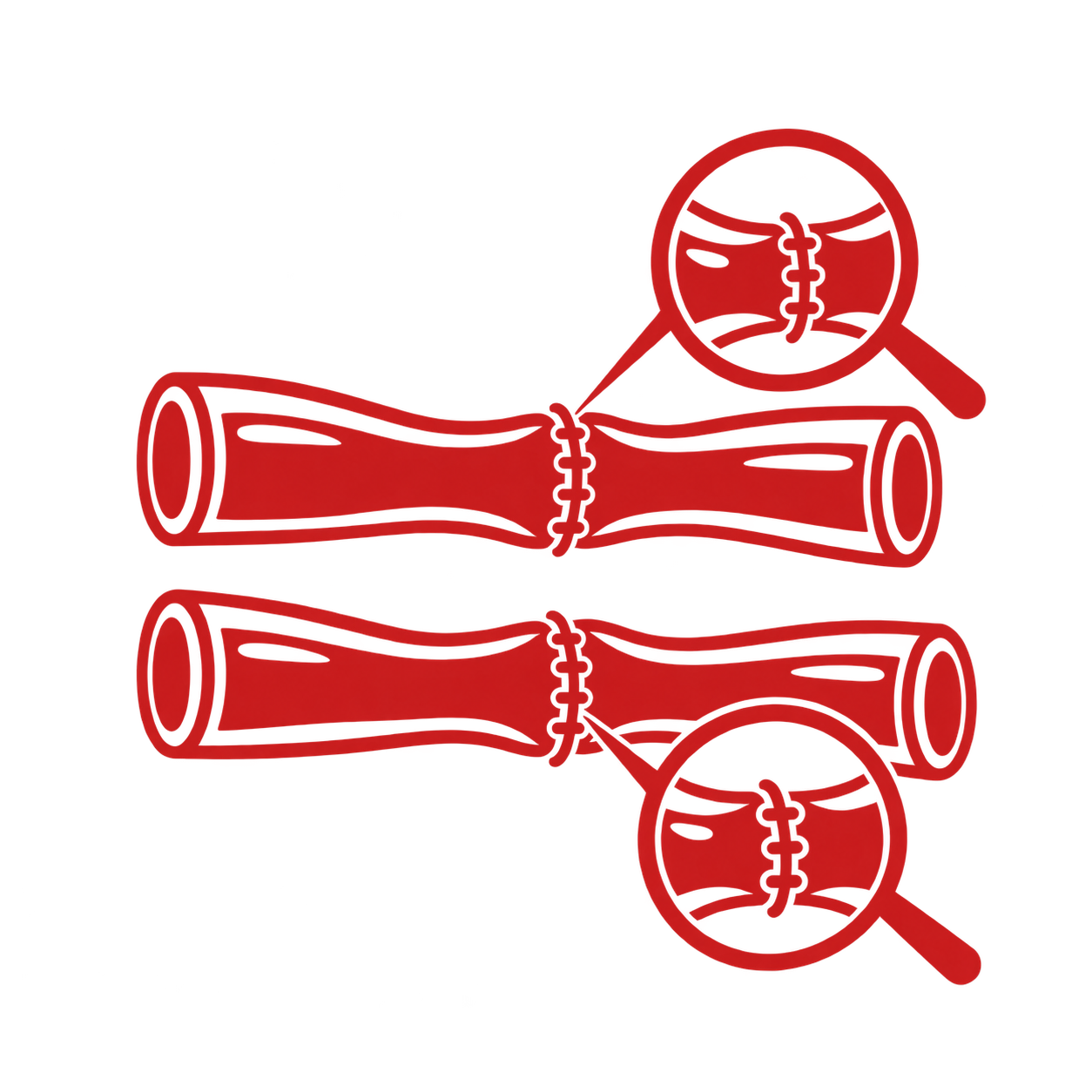
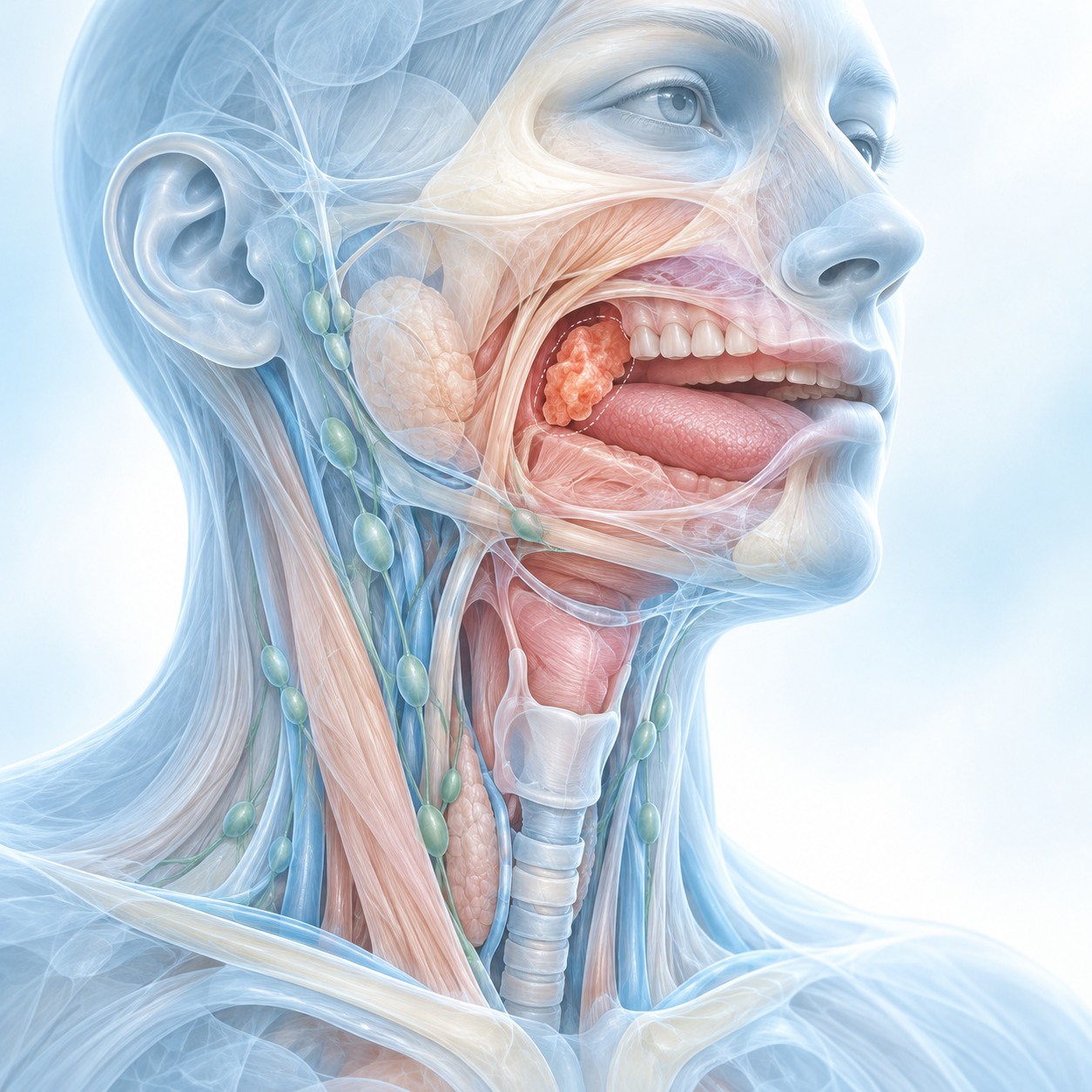
One of the most advanced microsurgical procedures where healthy tissue with blood vessels is transferred from another part of the body to reconstruct complex oral cavity, tongue, jaw, or facial defects.
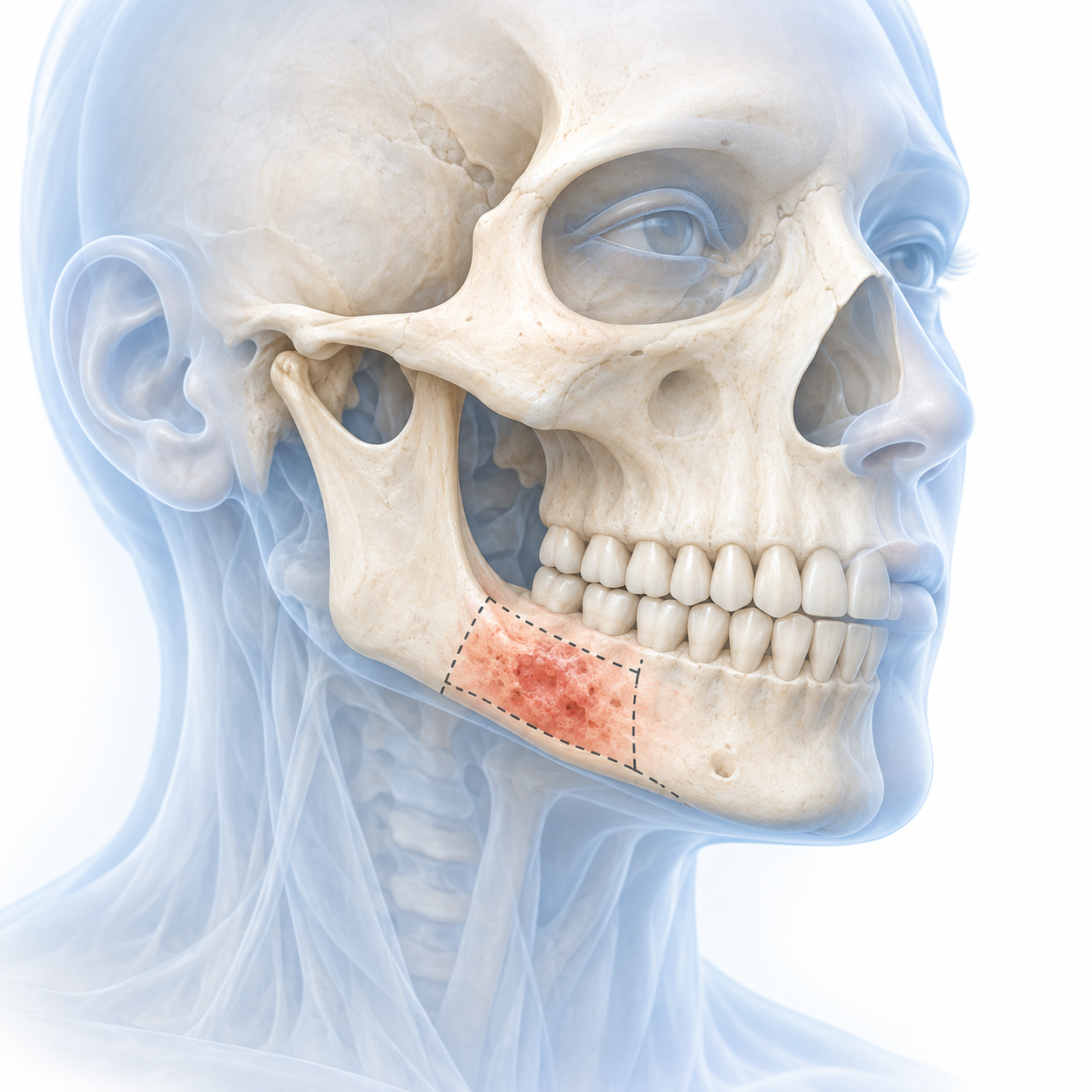
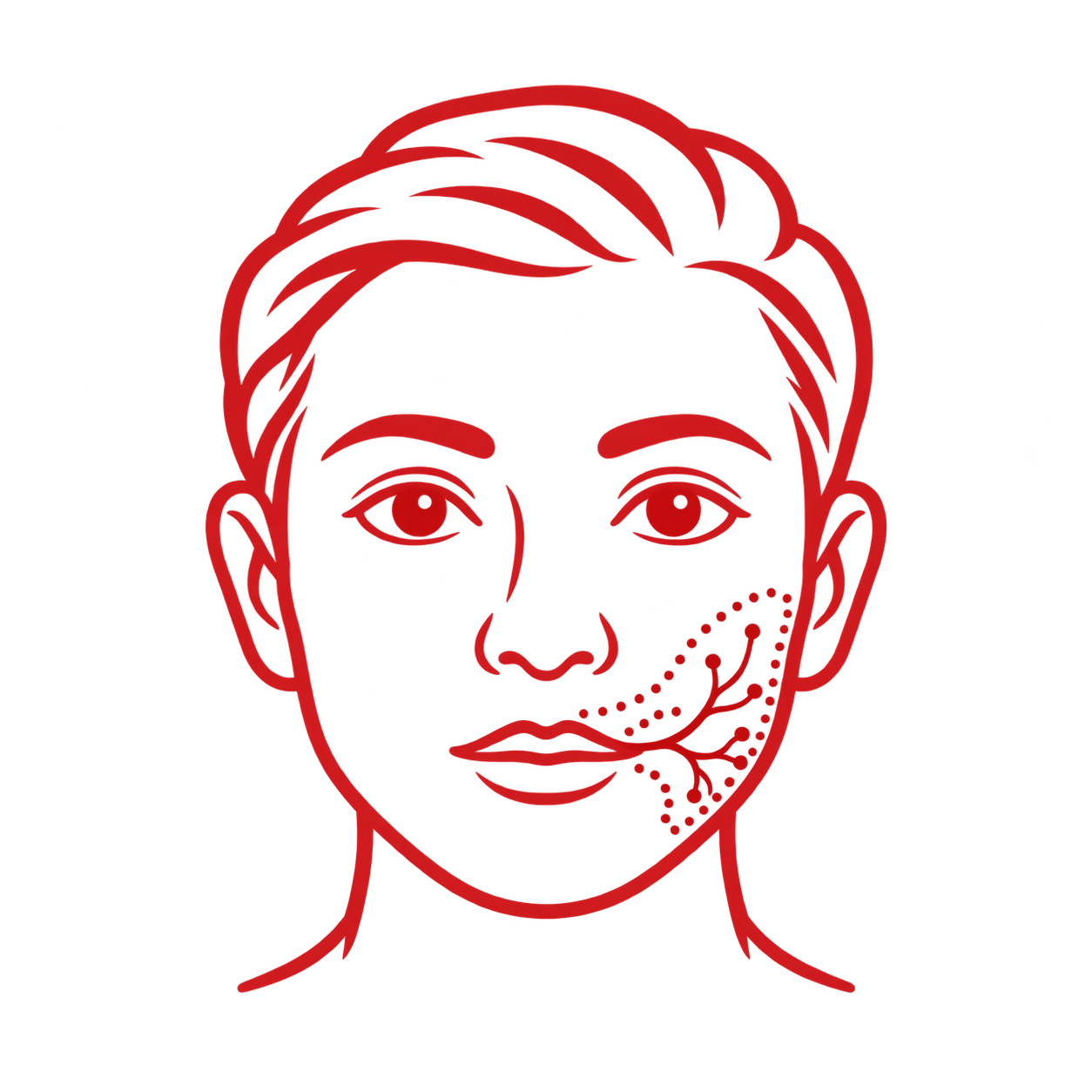
Specialised reconstruction for cancers involving facial bones and oral structures to restore facial symmetry, jaw alignment, and natural aesthetic appearance.
Patients undergoing surgery for the following conditions may benefit from specialised reconstruction:
Dr. Gaurav Dhanavat follows a comprehensive approach focused on both cancer control and functional restoration:
Customised based on cancer type, stage, defect location, patient health condition, and functional requirements.
Combining expertise in cancer surgery and reconstruction allows seamless planning from tumour excision to full restoration.
Microvascular reconstruction techniques are utilised for complex defects requiring high precision and specialised expertise.
Focused on helping patients regain essential speech, swallowing, and chewing functions while achieving natural-looking cosmetic results.
Specialises in managing complex head and neck cancer cases requiring advanced reconstructive surgical care.
Advanced free flap microsurgical experience to rebuild complex defects after major cancer operations.
Specialised understanding of facial anatomy, jaw bone structures, and complex oral mechanics.
Focused fellowship training supporting comprehensive oral and head & neck cancer management.
Follows globally aligned, international standard practices in cancer and reconstructive surgery.
Oncology defect reconstruction is a specialised surgery performed after cancer removal to rebuild damaged or missing tissues and restore function and appearance.
Removing a tumour completely sometimes means removing surrounding tissue as well, which can leave a defect that affects speech, swallowing, chewing, and facial appearance. Reconstruction rebuilds these areas, restores function, supports healing, and helps patients regain confidence and quality of life.
Microvascular reconstruction, also called free flap reconstruction, is an advanced technique in which healthy tissue such as skin, muscle, or bone is taken from another part of the body along with its blood vessels and connected to vessels in the neck under a microscope. It is used to rebuild complex defects of the mouth, tongue, jaw, or face.
In many cases, reconstruction can be planned and performed in the same surgery as cancer removal, so that the defect is rebuilt straight away. In some situations it may be done at a later stage. The timing depends on the stage of cancer, the size of the defect, your overall health, and any additional treatment needed, and is decided by your surgeon.
Recovery depends on the size and location of the defect, the type of reconstruction, and your general health. Reconstruction usually involves a longer hospital stay than simple tumour removal, followed by a period of rehabilitation, including speech and swallowing therapy where needed. Your surgeon will explain a personalised recovery timeline during consultation.
If cancer surgery has resulted in a complex defect, advanced reconstructive options can help restore quality of life. Dr. Gaurav Dhanavat provides specialised reconstruction with expertise in cancer surgery and microvascular techniques.