







Medical History Review
The specialist evaluates your symptoms, previous treatments, and overall health condition.

A diagnosis of head and neck cancer can bring several questions about treatment options, surgery, prognosis, and the next steps. Seeking a second opinion for head & neck cancer can help patients and families better understand the diagnosis and make informed decisions about their treatment journey.
At Dr. Gaurav Dhanavat's clinic in Thane, patients receive expert evaluation and guidance for complex head and neck cancer cases. Dr. Gaurav Dhanavat is a Head & Neck Cancer Surgeon, Oral & Maxillofacial Surgeon, and Microvascular Reconstruction Specialist in Thane, specialising in advanced cancer assessment, surgical planning, and reconstructive procedures.
With specialised training including FHNO Fellowship in Oral Cancer Surgery, MDS in Oral & Maxillofacial Surgery, and recognition through a Dubai Health Authority (DHA) licence, he provides comprehensive second opinions focused on accurate diagnosis, personalised treatment planning, and improving patient outcomes.
A second opinion for head & neck cancer involves reviewing your existing diagnosis, medical reports, scans, biopsy results, and proposed treatment plan with another experienced cancer specialist.
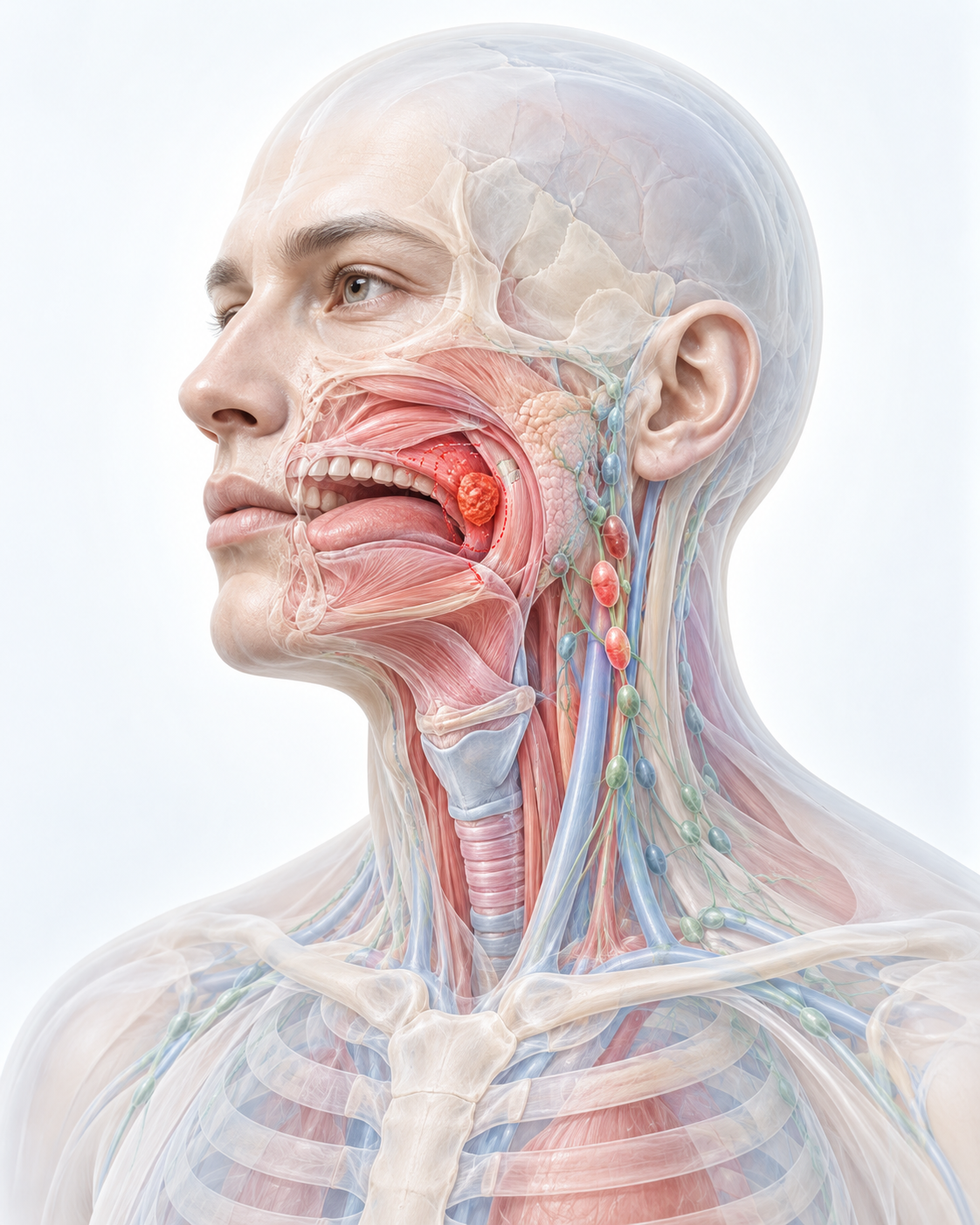
Head and neck cancers involve complex areas responsible for important functions such as speech, swallowing, breathing, and facial appearance. Treatment decisions require careful evaluation. A second opinion may be helpful when:
A detailed second opinion usually involves a comprehensive review of:
The specialist evaluates your symptoms, previous treatments, and overall health condition.
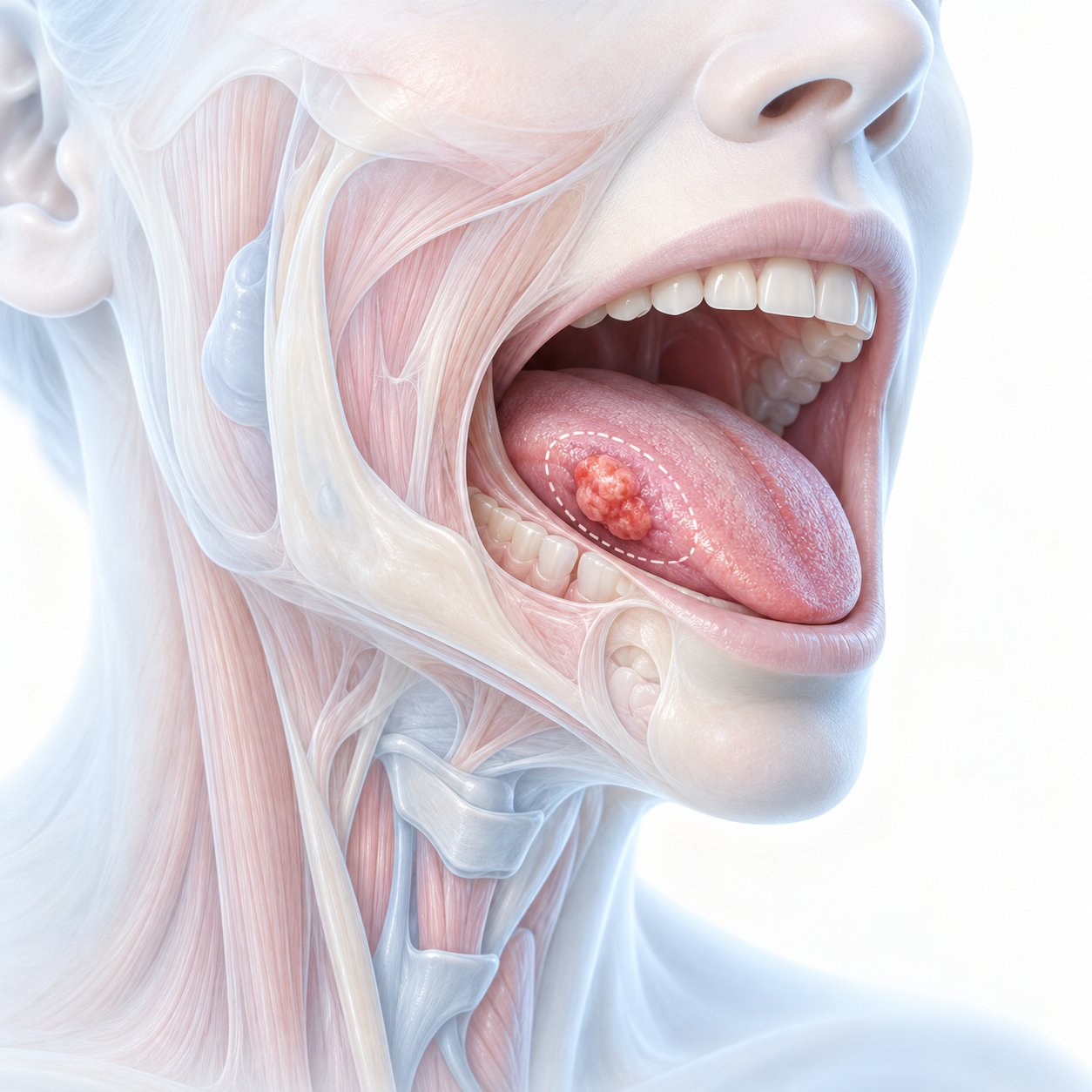
Pathology reports are reviewed to confirm the type and characteristics of cancer.
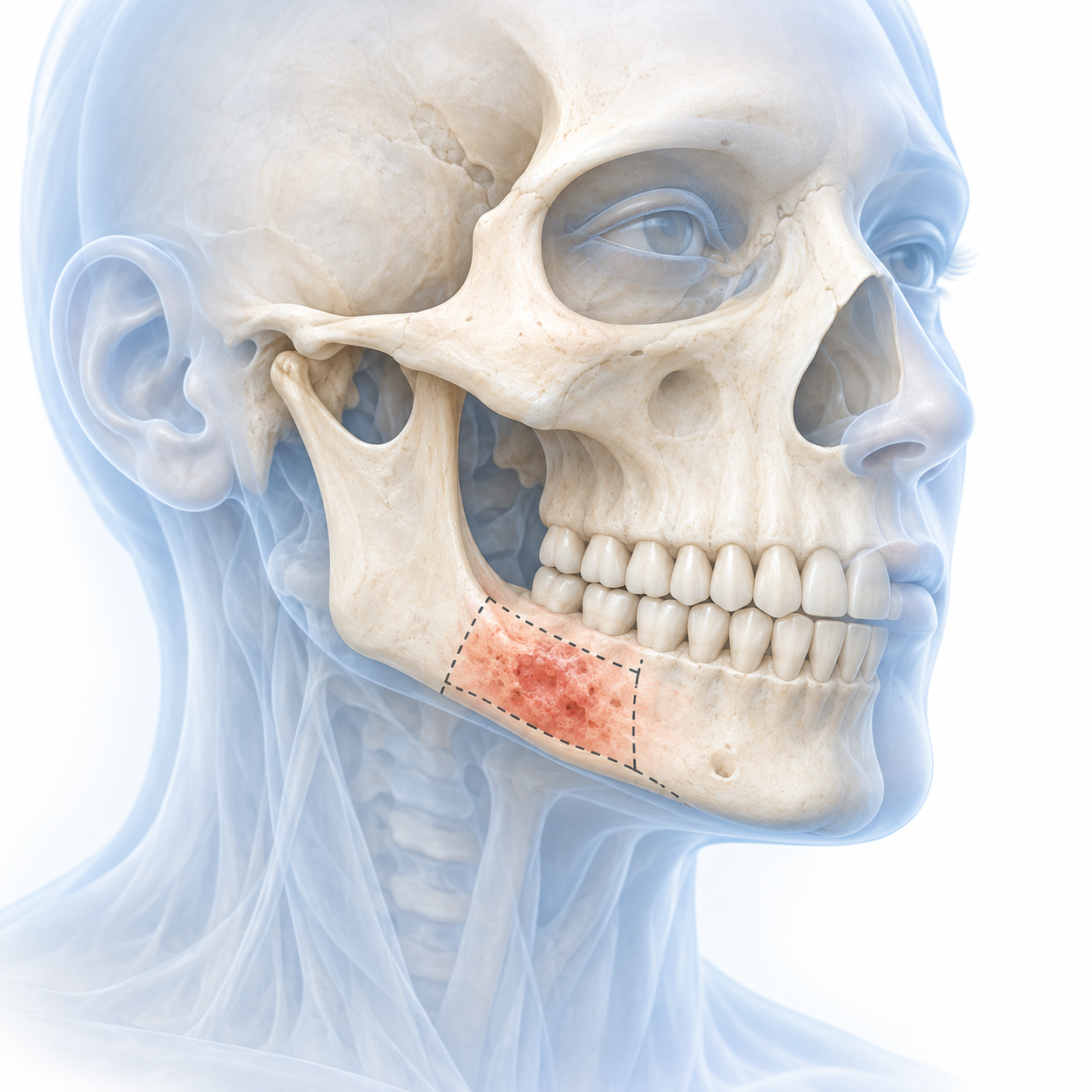
CT scans, MRI scans, PET scans, and other investigations are assessed to understand tumour location and spread.
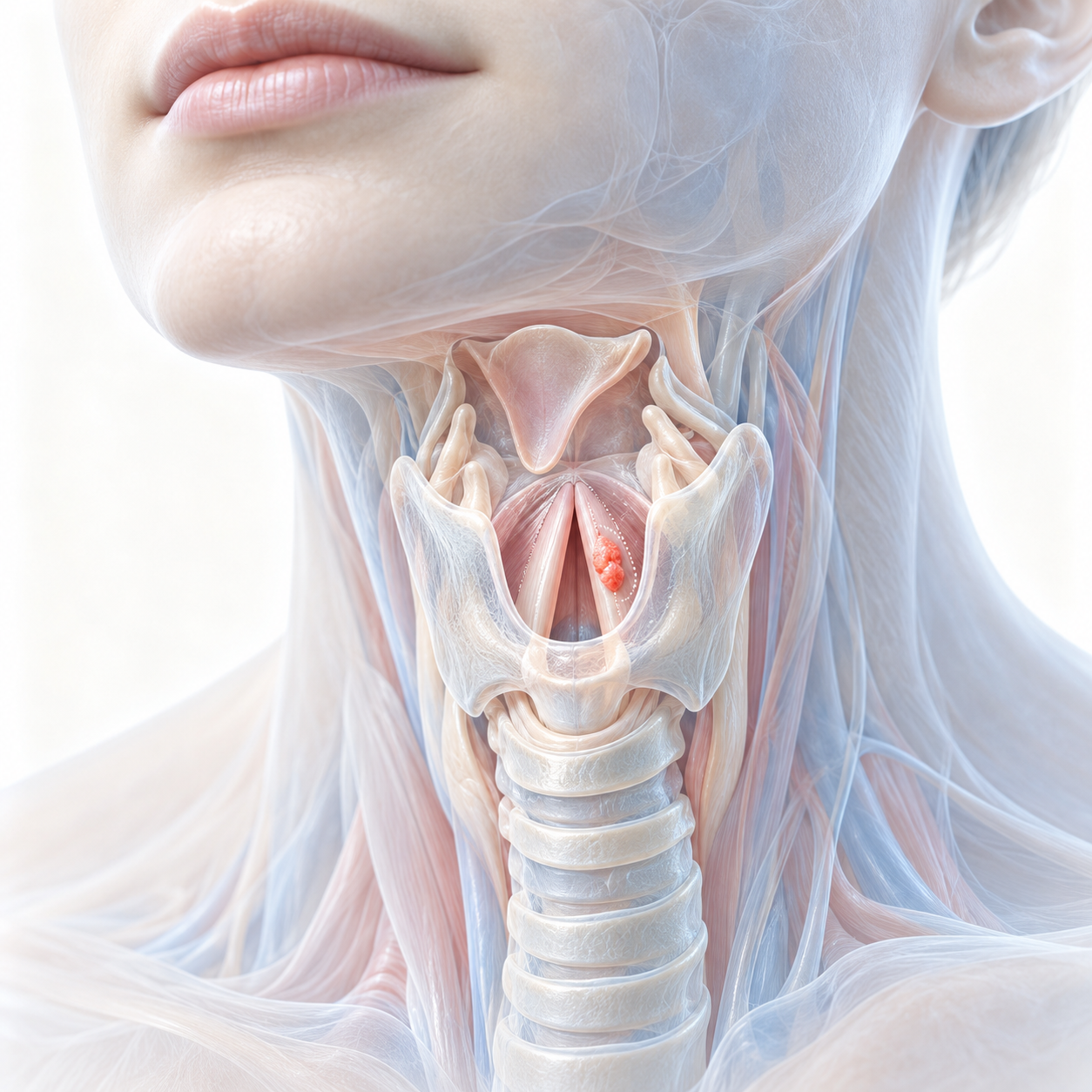
The proposed treatment approach is reviewed to determine whether it aligns with current surgical and cancer care principles.
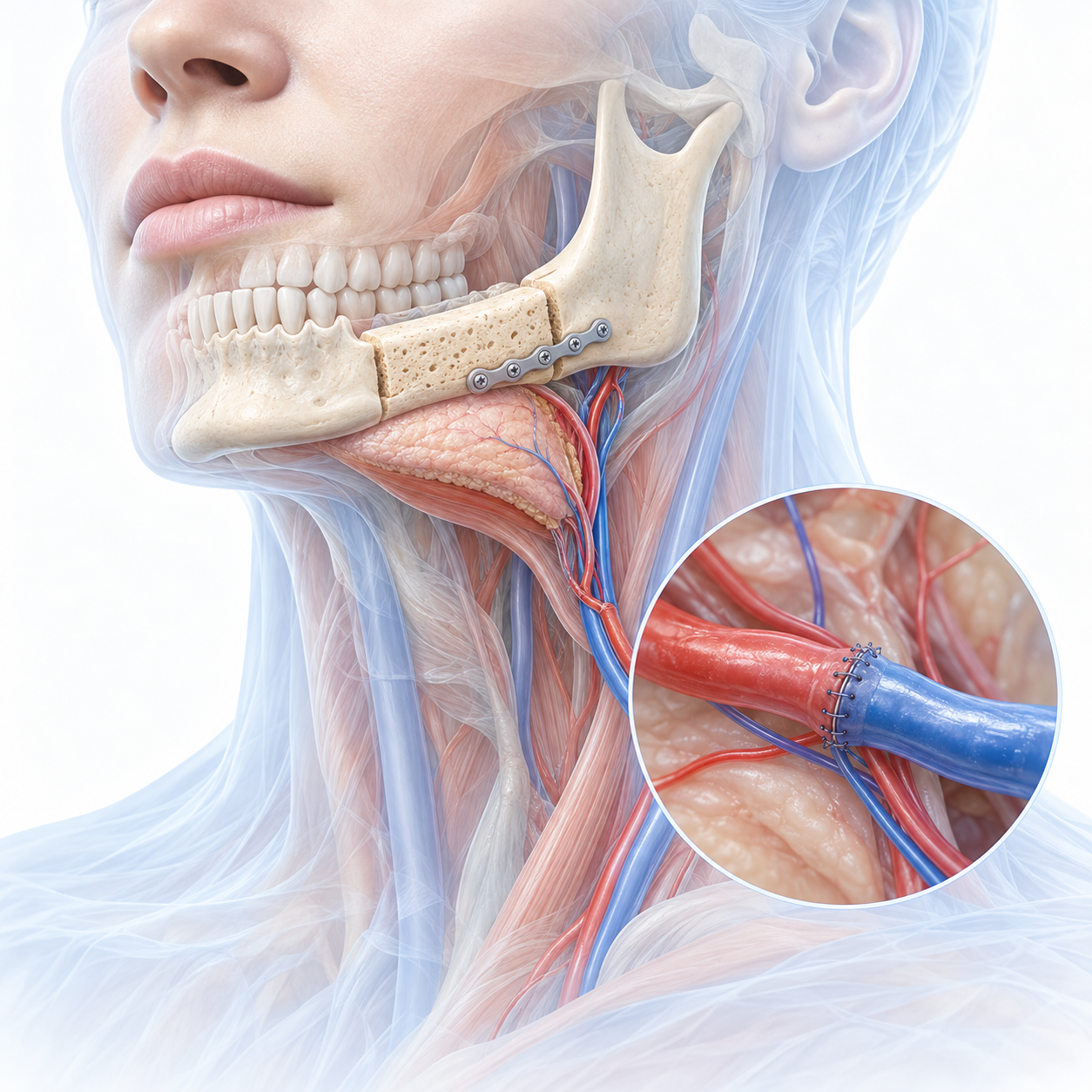
Based on the findings, suitable treatment options are discussed, including surgery, reconstruction, radiation, chemotherapy, or combined approaches.
A second opinion is especially valuable in situations such as:
Reviewing reports with a specialist can help confirm the diagnosis and stage of cancer.
Patients can learn about different surgical and non-surgical treatment options.
A second opinion helps patients and families choose treatment with greater confidence.
Specialised surgeons can provide insights into advanced procedures, including reconstruction techniques.
A detailed evaluation helps create a treatment approach focused on cancer control and quality of life.
Some head and neck cancer cases require specialised surgical expertise due to their location or complexity. These may include:
A thorough review of medical history, biopsy findings, and imaging reports helps understand the disease accurately.
Treatment recommendations are based on cancer stage, tumour location, patient health, and functional requirements.
Specialised knowledge in head and neck cancer surgery helps evaluate surgical possibilities and outcomes.
Treatment planning considers important functions including speech, swallowing, chewing, and appearance.
When required, microvascular reconstruction techniques help restore form and function after cancer removal.
Dr. Gaurav Dhanavat specialises in evaluating and managing cancers affecting the head and neck region.
Focused fellowship training provides advanced understanding of oral and head & neck cancer management.
His expertise helps manage cancers involving the mouth, jaw, and facial structures.
Advanced reconstruction knowledge helps evaluate treatment plans involving complex cancer removal and restoration.
Every case is reviewed individually to help patients understand their diagnosis and treatment choices.
A second opinion helps confirm the diagnosis, understand treatment options, and make informed decisions before starting cancer treatment.
No. A second opinion does not mean delaying treatment. It mainly involves reviewing your existing reports and treatment plan, and it can usually be arranged promptly so that you start treatment with greater clarity and confidence.
Please bring your biopsy or pathology report, imaging such as CT, MRI, or PET scans (both reports and films or discs), records of any previous treatment, details of your medical history and current medicines, and the treatment plan that has been proposed.
In many cases a second opinion confirms the original diagnosis and plan, which gives you added confidence. In others, it may identify additional or alternative options worth discussing. The aim is to give you clear, individualised guidance so you can decide with confidence.
Yes. A second opinion is especially valuable for recurrent head and neck cancer, because treatment decisions can be more complex after previous surgery, radiation, or chemotherapy. Your earlier treatment records and current scans are reviewed to discuss the available options.
If you or your family member has received a head and neck cancer diagnosis and want expert guidance, a specialist second opinion can help you understand the right treatment approach. Dr. Gaurav Dhanavat provides expert second opinion consultations for head & neck cancer in Thane, combining cancer surgery expertise with advanced reconstructive knowledge to support informed treatment decisions.